



Milwaukee VDE Milwaukee VDE

Milwaukee VDE

Milwaukee VDE tools are built for live electrical work, fault finding, and safe control when you're around energised kit on site or in plant rooms.

If you're a spark working boards, panels, containment or maintenance, this is the kit you reach for when standard hand tools are not enough. Milwaukee VDE screwdrivers, pliers and vde cutters are made for proper electrical work, with insulated grips that stay controlled in the hand and tool shapes that suit tight cabinets, consumer units and awkward terminations. If you need dependable insulated gear that earns its place in the bag, start here.

What Are Milwaukee VDE Tools Used For?

  • Working in consumer units, distribution boards and control panels where insulated hand tools are the right call for tightening terminals, adjusting connections and carrying out fault finding safely.
  • Cutting and stripping cable on first fix and maintenance work where vde cutters and insulated pliers give you control in tight back boxes, trunking runs and crowded enclosures.
  • Servicing plant rooms, HVAC controls and site power where you are often dealing with awkward access, mixed fixings and live-adjacent components that need proper insulated tools.
  • Carrying out testing, inspection and electrical snagging where a reliable VDE screwdriver or pair of pliers saves slipping, damaged terminals and needless trips back to the van.
  • Handling day to day electrical install work on commercial and domestic jobs where Milwaukee VDE kit stands up to regular site use, toolbox knocks and long hours in the hand.

Choosing the Right Milwaukee VDE Tool

Match the tool to the electrical job first. Do not buy a big mixed set if you really only live on drivers and cutters all week.

1. Screwdrivers or Pliers First

If most of your day is boards, accessories and terminal work, start with insulated screwdrivers in the sizes you actually use. If you are cutting, gripping and dressing cable more often, go straight to Milwaukee VDE Pliers & Cutters and build from there.

2. Pick Cutters to Suit the Cable

If you are mainly trimming singles, ties and smaller conductors, side cutters make more sense than oversized cable cutters. For thicker cable and cleaner cuts with less hand strain, step up to Milwaukee VDE Cable Cutters instead of forcing the wrong tool through it.

3. Buy the Shapes You Actually Reach For

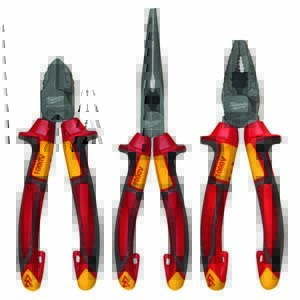
Long nose pliers are worth it if you are forever in deep boxes or crowded panels. Combination pliers suit general install work. If neat flush cutting matters on control wiring and ties, look hard at Milwaukee VDE Side Cutters & Diagonal Cutters.

4. Sets vs Singles

If you are replacing tired tools or sorting a fresh electrical bag, a set is the quickest way to cover the basics. If you already know what wears out fastest on your jobs, buy singles and spend the money where it counts.

Who Uses These on Site?

  • Sparkies use Milwaukee VDE tools for board work, terminations and testing because insulated drivers and cutters are part of the daily kit, not an optional extra.
  • Maintenance engineers keep them close for fault finding in panels, controls and machinery where access is tight and a standard tool can be the wrong choice from the off.
  • Industrial electricians and panel builders rely on them for repetitive wiring work, trimming conductors and tightening terminals cleanly without chewing up fixings or insulation.
  • Facilities teams and site electricians reach for this range when carrying out repairs in schools, offices, warehouses and plant areas where safe insulated hand tools need to be ready there and then.

The Basics: Understanding Milwaukee VDE Tools

With VDE hand tools, the important bit is not gimmicks. It is the insulation standard, the testing, and using the right insulated tool for the task in front of you.

1. What VDE Means on the Job

VDE tools are insulated for electrical work, helping protect the user when working on or near live equipment. For site use, that means using hand tools designed for electrical environments rather than treating standard pliers and drivers as good enough.

2. 1000V Rated Does Not Mean Risk Free

The rating matters, but it is not a free pass to be careless. It tells you the tool has been made and tested for insulated electrical use, but safe isolation, correct procedures and proper inspection still come first.

3. Use the Right Tool Shape for Better Control

A VDE screwdriver handles terminals properly. A VDE cutter gives a cleaner snip without twisting your wrist. The right insulated tool makes the work tidier, reduces slips, and stops you bodging through jobs with whatever is nearest in the pouch.

Choose the Right Milwaukee VDE for the Job

Use this quick guide to sort the right insulated hand tool for the work in front of you.

Your Job Category or Type Key Features
Terminating accessories and tightening board connections VDE screwdrivers Insulated shafts, clear tip sizing, grip that stays controlled in the hand
General cable handling and gripping on first fix VDE combination pliers Grip and cut in one tool, good all round choice for daily bag use
Trimming conductors, ties and smaller cable cleanly VDE cutters Sharp cutting edges, better access in boxes and panels, less damage to surrounding cable
Working deep inside enclosures and awkward trunking runs VDE long nose pliers Extra reach, better control in tight spaces, useful for dressing and pulling conductors
Cutting thicker cable with less effort VDE cable cutters Cleaner cuts, reduced hand strain, better suited to larger conductors than standard side cutters

Common Buying and Usage Mistakes

  • Buying a mixed set without checking what you actually use day to day usually leaves half the tools untouched and the one driver or cutter you need missing from the pouch.
  • Using side cutters on cable they were never meant for blunts the jaws fast and gives rough cuts, so step up to proper cable cutters when conductor size starts getting serious.
  • Treating VDE insulation as permanent without checking for nicks, burns or damage is asking for trouble, so inspect tools properly before they go anywhere near electrical work.
  • Choosing oversized pliers for panel work makes tight spaces harder than they need to be, and a slimmer long nose or smaller cutter often does a tidier job with less swearing.
  • Using insulated tools as pry bars, chisels or general abuse tools ruins the insulation and the cutting edges, so keep them for what they are designed to do.

VDE Screwdrivers vs VDE Pliers vs VDE Cutters

VDE Screwdrivers

Best for terminals, accessories, boards and switchgear where tip fit and control matter. They are the core buy for electricians doing repetitive fastening work, but they will not replace proper gripping or cutting tools.

VDE Pliers

The right choice for gripping, twisting, pulling and general electrical install work. Combination and long nose pliers cover a lot of daily jobs, but they are not the cleanest option for repeated cable cutting.

VDE Cutters

Made for snipping conductors, cable ties and fine trimming work with less mess and strain. If neat cuts matter, buy these, but do not expect small cutters to handle heavier cable that really needs dedicated cable cutters.

Sets vs Individual Tools

Sets make sense for new starters, refits of the tool bag, or keeping a matching insulated kit together. Individual tools suit experienced sparks replacing worn favourites or building out a bag around specific site work.

Maintenance and Care

Check Insulation Before Use

Give the handles and insulated shafts a proper look before electrical work. If the insulation is cut, burnt, split or lifting, take the tool out of service straight away.

Keep Cutting Edges Clean

Wipe off grime, adhesive and site muck after use so cutters keep biting cleanly. Dirty jaws make cable work harder and wear the edge quicker than it should.

Store Them Separate from General Beaters

Do not throw VDE tools loose in with chisels, blades and rough steel tools. A dedicated pouch, case or organised drawer helps stop insulation damage and keeps the right tool easy to grab.

Do Not Abuse Them Off Task

Using insulated pliers for levering, hammering or twisting stubborn metalwork shortens their life fast. Keep them for electrical tasks and use a sacrificial tool for the rough stuff.

Replace Worn or Damaged Tools Early

If a driver tip is rounded or cutter jaws are not meeting cleanly, replace it before it starts slipping and damaging terminals or conductors. Bad hand tools cost more in rework than a fresh replacement.

Why Shop for Milwaukee VDE at ITS?

Whether you need a single insulated screwdriver, a fresh set of vde cutters or a full Milwaukee VDE kit for the electrical bag, we stock the range properly. That means the key sizes, tool types and site-ready options are in our own warehouse and ready for next day delivery. If you are also sorting other Milwaukee kit, you can find Milwaukee Trimmers & Brush Cutters in stock too.

Milwaukee VDE FAQs

What does VDE rated mean?

It means the tool is made and tested for insulated electrical work to recognised standards. In plain terms, it is the sort of hand tool you use for electrical jobs where ordinary pliers or screwdrivers are not acceptable. It does not replace safe isolation or correct procedures, but it is the right starting point.

Are Milwaukee VDE tools 1000V rated?

Yes, Milwaukee VDE tools in this range are designed as 1000V insulated hand tools for electrical work. That said, do not read that as licence to get casual. The rating matters, but good inspection, correct use and proper electrical procedure still come first on site.

Are Milwaukee VDE tools individually tested?

Yes, that is the point of proper VDE hand tools. They are individually tested so you are not just trusting the handle colour and hoping for the best. Even so, always check for cuts, burns or damaged insulation before each job, because site abuse can ruin any tool.

What is included in the Milwaukee VDE range?

The Milwaukee VDE range covers the core insulated hand tools most sparkies actually use, including screwdrivers, pliers, long nose pliers, combination pliers and vde cutters. If you want to narrow it down, start with Milwaukee VDE Pliers & Cutters, then look at Milwaukee VDE Side Cutters & Diagonal Cutters or Milwaukee VDE Cable Cutters for the cutting side.

Are Milwaukee VDE tools worth buying as a set or should I pick singles?

If you are starting fresh or replacing a worn out electrical bag, a set makes sense and usually covers the daily basics in one hit. If you already know which tools live in your hand all week, singles are the better spend because you are not paying for sizes or types that sit untouched.

Do VDE cutters stay sharp with daily site use?

Yes, if you use them for the job they are meant for. They will handle repeated trimming and cable work well, but if you start forcing them through oversized conductors, steel, or general site rubbish, they will dull quickly. Match the cutter to the cable and they last far better.
Read more

Milwaukee VDE

Milwaukee VDE tools are built for live electrical work, fault finding, and safe control when you're around energised kit on site or in plant rooms.

If you're a spark working boards, panels, containment or maintenance, this is the kit you reach for when standard hand tools are not enough. Milwaukee VDE screwdrivers, pliers and vde cutters are made for proper electrical work, with insulated grips that stay controlled in the hand and tool shapes that suit tight cabinets, consumer units and awkward terminations. If you need dependable insulated gear that earns its place in the bag, start here.

What Are Milwaukee VDE Tools Used For?

  • Working in consumer units, distribution boards and control panels where insulated hand tools are the right call for tightening terminals, adjusting connections and carrying out fault finding safely.
  • Cutting and stripping cable on first fix and maintenance work where vde cutters and insulated pliers give you control in tight back boxes, trunking runs and crowded enclosures.
  • Servicing plant rooms, HVAC controls and site power where you are often dealing with awkward access, mixed fixings and live-adjacent components that need proper insulated tools.
  • Carrying out testing, inspection and electrical snagging where a reliable VDE screwdriver or pair of pliers saves slipping, damaged terminals and needless trips back to the van.
  • Handling day to day electrical install work on commercial and domestic jobs where Milwaukee VDE kit stands up to regular site use, toolbox knocks and long hours in the hand.

Choosing the Right Milwaukee VDE Tool

Match the tool to the electrical job first. Do not buy a big mixed set if you really only live on drivers and cutters all week.

1. Screwdrivers or Pliers First

If most of your day is boards, accessories and terminal work, start with insulated screwdrivers in the sizes you actually use. If you are cutting, gripping and dressing cable more often, go straight to Milwaukee VDE Pliers & Cutters and build from there.

2. Pick Cutters to Suit the Cable

If you are mainly trimming singles, ties and smaller conductors, side cutters make more sense than oversized cable cutters. For thicker cable and cleaner cuts with less hand strain, step up to Milwaukee VDE Cable Cutters instead of forcing the wrong tool through it.

3. Buy the Shapes You Actually Reach For

Long nose pliers are worth it if you are forever in deep boxes or crowded panels. Combination pliers suit general install work. If neat flush cutting matters on control wiring and ties, look hard at Milwaukee VDE Side Cutters & Diagonal Cutters.

4. Sets vs Singles

If you are replacing tired tools or sorting a fresh electrical bag, a set is the quickest way to cover the basics. If you already know what wears out fastest on your jobs, buy singles and spend the money where it counts.

Who Uses These on Site?

  • Sparkies use Milwaukee VDE tools for board work, terminations and testing because insulated drivers and cutters are part of the daily kit, not an optional extra.
  • Maintenance engineers keep them close for fault finding in panels, controls and machinery where access is tight and a standard tool can be the wrong choice from the off.
  • Industrial electricians and panel builders rely on them for repetitive wiring work, trimming conductors and tightening terminals cleanly without chewing up fixings or insulation.
  • Facilities teams and site electricians reach for this range when carrying out repairs in schools, offices, warehouses and plant areas where safe insulated hand tools need to be ready there and then.

The Basics: Understanding Milwaukee VDE Tools

With VDE hand tools, the important bit is not gimmicks. It is the insulation standard, the testing, and using the right insulated tool for the task in front of you.

1. What VDE Means on the Job

VDE tools are insulated for electrical work, helping protect the user when working on or near live equipment. For site use, that means using hand tools designed for electrical environments rather than treating standard pliers and drivers as good enough.

2. 1000V Rated Does Not Mean Risk Free

The rating matters, but it is not a free pass to be careless. It tells you the tool has been made and tested for insulated electrical use, but safe isolation, correct procedures and proper inspection still come first.

3. Use the Right Tool Shape for Better Control

A VDE screwdriver handles terminals properly. A VDE cutter gives a cleaner snip without twisting your wrist. The right insulated tool makes the work tidier, reduces slips, and stops you bodging through jobs with whatever is nearest in the pouch.

Choose the Right Milwaukee VDE for the Job

Use this quick guide to sort the right insulated hand tool for the work in front of you.

Your Job Category or Type Key Features
Terminating accessories and tightening board connections VDE screwdrivers Insulated shafts, clear tip sizing, grip that stays controlled in the hand
General cable handling and gripping on first fix VDE combination pliers Grip and cut in one tool, good all round choice for daily bag use
Trimming conductors, ties and smaller cable cleanly VDE cutters Sharp cutting edges, better access in boxes and panels, less damage to surrounding cable
Working deep inside enclosures and awkward trunking runs VDE long nose pliers Extra reach, better control in tight spaces, useful for dressing and pulling conductors
Cutting thicker cable with less effort VDE cable cutters Cleaner cuts, reduced hand strain, better suited to larger conductors than standard side cutters

Common Buying and Usage Mistakes

  • Buying a mixed set without checking what you actually use day to day usually leaves half the tools untouched and the one driver or cutter you need missing from the pouch.
  • Using side cutters on cable they were never meant for blunts the jaws fast and gives rough cuts, so step up to proper cable cutters when conductor size starts getting serious.
  • Treating VDE insulation as permanent without checking for nicks, burns or damage is asking for trouble, so inspect tools properly before they go anywhere near electrical work.
  • Choosing oversized pliers for panel work makes tight spaces harder than they need to be, and a slimmer long nose or smaller cutter often does a tidier job with less swearing.
  • Using insulated tools as pry bars, chisels or general abuse tools ruins the insulation and the cutting edges, so keep them for what they are designed to do.

VDE Screwdrivers vs VDE Pliers vs VDE Cutters

VDE Screwdrivers

Best for terminals, accessories, boards and switchgear where tip fit and control matter. They are the core buy for electricians doing repetitive fastening work, but they will not replace proper gripping or cutting tools.

VDE Pliers

The right choice for gripping, twisting, pulling and general electrical install work. Combination and long nose pliers cover a lot of daily jobs, but they are not the cleanest option for repeated cable cutting.

VDE Cutters

Made for snipping conductors, cable ties and fine trimming work with less mess and strain. If neat cuts matter, buy these, but do not expect small cutters to handle heavier cable that really needs dedicated cable cutters.

Sets vs Individual Tools

Sets make sense for new starters, refits of the tool bag, or keeping a matching insulated kit together. Individual tools suit experienced sparks replacing worn favourites or building out a bag around specific site work.

Maintenance and Care

Check Insulation Before Use

Give the handles and insulated shafts a proper look before electrical work. If the insulation is cut, burnt, split or lifting, take the tool out of service straight away.

Keep Cutting Edges Clean

Wipe off grime, adhesive and site muck after use so cutters keep biting cleanly. Dirty jaws make cable work harder and wear the edge quicker than it should.

Store Them Separate from General Beaters

Do not throw VDE tools loose in with chisels, blades and rough steel tools. A dedicated pouch, case or organised drawer helps stop insulation damage and keeps the right tool easy to grab.

Do Not Abuse Them Off Task

Using insulated pliers for levering, hammering or twisting stubborn metalwork shortens their life fast. Keep them for electrical tasks and use a sacrificial tool for the rough stuff.

Replace Worn or Damaged Tools Early

If a driver tip is rounded or cutter jaws are not meeting cleanly, replace it before it starts slipping and damaging terminals or conductors. Bad hand tools cost more in rework than a fresh replacement.

Why Shop for Milwaukee VDE at ITS?

Whether you need a single insulated screwdriver, a fresh set of vde cutters or a full Milwaukee VDE kit for the electrical bag, we stock the range properly. That means the key sizes, tool types and site-ready options are in our own warehouse and ready for next day delivery. If you are also sorting other Milwaukee kit, you can find Milwaukee Trimmers & Brush Cutters in stock too.

Milwaukee VDE FAQs

What does VDE rated mean?

It means the tool is made and tested for insulated electrical work to recognised standards. In plain terms, it is the sort of hand tool you use for electrical jobs where ordinary pliers or screwdrivers are not acceptable. It does not replace safe isolation or correct procedures, but it is the right starting point.

Are Milwaukee VDE tools 1000V rated?

Yes, Milwaukee VDE tools in this range are designed as 1000V insulated hand tools for electrical work. That said, do not read that as licence to get casual. The rating matters, but good inspection, correct use and proper electrical procedure still come first on site.

Are Milwaukee VDE tools individually tested?

Yes, that is the point of proper VDE hand tools. They are individually tested so you are not just trusting the handle colour and hoping for the best. Even so, always check for cuts, burns or damaged insulation before each job, because site abuse can ruin any tool.

What is included in the Milwaukee VDE range?

The Milwaukee VDE range covers the core insulated hand tools most sparkies actually use, including screwdrivers, pliers, long nose pliers, combination pliers and vde cutters. If you want to narrow it down, start with Milwaukee VDE Pliers & Cutters, then look at Milwaukee VDE Side Cutters & Diagonal Cutters or Milwaukee VDE Cable Cutters for the cutting side.

Are Milwaukee VDE tools worth buying as a set or should I pick singles?

If you are starting fresh or replacing a worn out electrical bag, a set makes sense and usually covers the daily basics in one hit. If you already know which tools live in your hand all week, singles are the better spend because you are not paying for sizes or types that sit untouched.

Do VDE cutters stay sharp with daily site use?

Yes, if you use them for the job they are meant for. They will handle repeated trimming and cable work well, but if you start forcing them through oversized conductors, steel, or general site rubbish, they will dull quickly. Match the cutter to the cable and they last far better.
ITS Click and Collect Icon
What3Words:
Get Directions
Store Opening Hours
Opening times
