Milwaukee RedLithium USB
Milwaukee USB kit keeps your small site essentials running without dragging full-size batteries round for every little job.
If you're doing snagging, inspections, early starts or cold weather work, Milwaukee USB gear makes sense. The Milwaukee USB battery powers torches, heated kit and PPE that earn their keep on real jobs. Milwaukee RedLithium USB Torches & Lighting is where most lads start, then add Milwaukee RedLithium USB PPE or Milwaukee RedLithium USB Heated Clothing once the weather turns. Pick the kit that solves the job and keep a charged Milwaukee USB battery in the van.
What Is Milwaukee USB Used For?
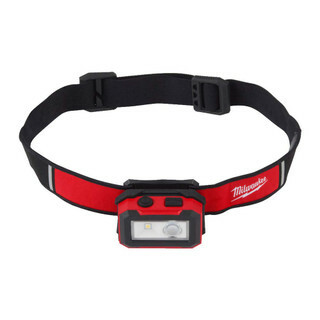
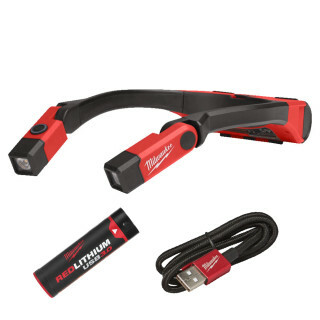
- Working in lofts, risers and plant rooms, Milwaukee USB torches give you proper hands free or close up light without carrying a full size battery pack for a short inspection.
- Starting up on dark winter mornings, Milwaukee USB heated gear keeps core warmth in when you are setting out, loading out or waiting on materials before the site gets moving.
- Running through snagging lists and maintenance visits, Milwaukee USB battery kit suits the jobs where you need light, heat or wearable kit all day but do not need a bigger cordless platform.
- Moving between van, yard and site, USB charging makes it easy to top batteries up between calls so your torch or heated layer is ready when the next awkward job turns up.
- For anyone building out a compact everyday carry setup, Milwaukee RedLithium USB Site Lighting & Torches covers the sort of lighting jobs that usually get left to a phone torch or dead disposable light.
Choosing the Right Milwaukee USB
Sorting the right Milwaukee USB kit is simple. Match it to the problem on site, not just the battery size or price.
1. Torch, PPE or Heated Gear
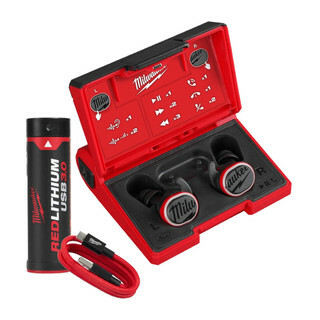
If the job is visibility, buy lighting first. If you are outside in winter, heated gear will get used more than you think. If the issue is everyday wearable site kit, start with PPE that runs on the Milwaukee USB battery platform.
2. One Battery or Spares
If you only use the kit for short inspections or the odd cold start, one battery will usually do. If you are on long shifts, back to back callouts or relying on heated clothing through the day, keep a spare Milwaukee USB battery charged in the van.
3. Charging Around Your Working Day
If you have regular van time between jobs, USB charging is easy to live with. If you are away from power all day, make runtime and spare batteries your first check so you are not left with dead kit halfway through the shift.
4. Layering and Carry
For heated clothing, think about what you wear over it and whether the battery will sit comfortably when kneeling, climbing or driving. For torches, check pocket size, clip style and whether you need flood light, spot light or both.
Who Uses These on Site?
- Sparkies use Milwaukee USB kit for inspection work, ceiling voids and board changes, because a small rechargeable torch is easier to keep on you than a bigger site light.
- Plumbers and heating engineers swear by heated layers on winter callouts, especially when they are fault finding outdoors, working in plant compounds or lying on cold floors first thing.
- Maintenance teams and facilities engineers keep Milwaukee USB battery gear in the van for quick access jobs, snagging and out of hours checks where portable light matters more than outright runtime.
- Site managers, supervisors and handover teams reach for this range when they are walking plots, checking finishes or opening up late, because the kit is compact, quick to charge and easy to keep ready.
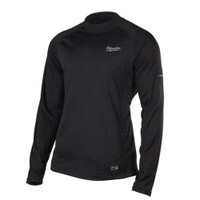
- Outdoor trades and cold weather crews often look at Milwaukee RedLithium USB Heated Thermal Clothing when they need warmth that layers properly under a jacket without getting bulky.
The Basics: Understanding Milwaukee USB
Milwaukee USB kit is built around compact rechargeable power for smaller personal site gear. It is not a replacement for your main cordless platform. It is for the tools and wearable kit you keep on you.
1. The Battery Platform
The Milwaukee USB battery is a removable rechargeable pack used across selected torches, lighting, PPE and heated gear. That means one battery format can cover the small essentials you use through the day.
2. Why USB Matters on Site
USB charging means you can top batteries up from the van, the office or a power bank without dragging a bigger charger round. For inspection gear and heated clothing, that makes the whole setup easier to keep working.
3. What It Is Best At
This range works best for personal carry kit like lights and heated layers where compact size matters. It keeps weight down, frees up pocket space and stops you wasting larger batteries on jobs that do not need them.
Milwaukee USB Accessories That Keep You Going
A couple of simple extras make this platform far easier to live with on site and in the van.
1. Spare Milwaukee USB Battery
Get a spare. It saves you getting caught with no light on a late inspection or no heat halfway through a freezing morning. One on charge and one in use is the sensible setup if you rely on the kit daily.
2. USB Charging Cable or Charger
A spare cable kept in the van or site box stops the usual headache when the original goes missing. It is a cheap fix for the sort of problem that leaves perfectly good kit sat dead when you need it.
3. Carry Case or Dedicated Storage Spot
Small batteries and charging leads are easy to lose in the van. Keeping them together in one case or organiser saves rummaging and stops damage from being thrown in with bigger tools and fixings.
Choose the Right Milwaukee USB for the Job
Use this quick guide to sort the right type of Milwaukee USB kit for how you actually work.
| Your Job | Milwaukee USB Type | Key Features |
|---|---|---|
| Checking boards, lofts and plant rooms | USB torch or inspection light | Compact carry, quick recharge, easy one handed use, good close range beam control |
| Walking site early morning or late finish | USB site lighting and torches | Portable light output, pocket friendly size, rechargeable battery, simple top ups in the van |
| Cold weather first fix and outdoor callouts | USB heated clothing | Wearable warmth, shared battery platform, less bulk than extra layers, better comfort when static or exposed |
| Daily snagging and maintenance visits | USB PPE and wearable kit | Lightweight carry, all day comfort, easy charging, practical for short access jobs and repeat visits |
| Long shifts without easy access to power | USB kit with spare battery | Less downtime, battery swap instead of waiting to charge, better for winter use and back to back jobs |
Common Buying and Usage Mistakes
- Buying Milwaukee USB kit like it is a replacement for your main cordless range is the wrong approach. It is built for lighting, PPE and heated gear, so match it to those jobs and it will make sense.
- Only ordering one battery when you rely on heated clothing or lights every day soon gets annoying. If the kit matters to your shift, keep a second Milwaukee USB battery ready to swap in.
- Ignoring charging time and your working pattern catches people out. If you are rarely near a plug or van socket, plan spare batteries instead of assuming a quick top up will save the day.
- Treating USB tools as fully waterproof is asking for trouble. Many are built for site conditions, but they still need sensible use in heavy rain, standing water and dirty wet storage.
- Throwing loose batteries and cables in the bottom of the van leads to damage and lost charging leads. Give the kit its own storage spot and it will last longer and stay ready.
Milwaukee USB vs M12 vs Disposable Battery Gear
Milwaukee USB
Best for compact personal kit like torches, PPE and heated clothing. It keeps weight down, charges easily and suits daily carry. It is the right choice when convenience matters more than raw output.
M12
Better when the job needs actual tool power and longer runtime under load. M12 is still compact, but it is heavier and bulkier than Milwaukee USB, so it is not what you want clipped in a jacket all day.
Disposable Battery Gear
Fine for occasional backup use, but not great for lads using lights and wearable kit every shift. Running costs build up, output drops off and you end up binning cells instead of recharging and getting on with the job.
Which Should You Buy
If you need wearable power and compact lighting, go Milwaukee USB. If you need a proper cordless tool platform, go M12. If it is only emergency backup and rarely used, disposables still have a place.
Maintenance and Care
Keep Charging Contacts Clean
Dust, fluff and site dirt around the battery contacts can cause patchy charging. Give them a quick clean now and then so the battery seats properly and charges without fuss.
Do Not Leave Batteries Loose in the Van
Small batteries get knocked about easily when they are rolling around with screws, blades and hand tools. Store them in a case, pouch or organiser to avoid damaged casings and lost charge leads.
Dry Kit Before Charging
If your torch, PPE or heated gear has been out in wet weather, let it dry off before plugging it in. That avoids moisture around ports and connectors and gives the battery a better chance of lasting.
Check Wear on Heated Clothing Leads and Pockets
Heated garments get bent, stuffed in lockers and thrown in vans. Keep an eye on cable routing, battery pockets and zip areas so small faults do not turn into dead kit when the weather drops.
Replace Tired Batteries Before Winter Bites
If runtime has dropped right off, do not wait for the first freezing week to deal with it. Swap in a fresh Milwaukee USB battery before the busy cold weather jobs start.
Why Shop for Milwaukee USB at ITS?
Whether you need a replacement Milwaukee USB battery, compact lighting, wearable PPE or heated layers, we stock the full Milwaukee USB range in one place. That includes Milwaukee RedLithium USB Heated Clothing and Milwaukee RedLithium USB Torches & Lighting, all held in our own warehouse and ready for next day delivery.
Milwaukee USB FAQs
What tools can the Milwaukee RedLithium USB battery power?
It powers Milwaukee RedLithium USB products made for that platform, mainly torches, site lighting, PPE and heated clothing. It is not for M12 or M18 tools, so always check the item is part of the Milwaukee USB range before you buy another battery.
How long does the Milwaukee RedLithium USB battery last?
That depends on the product and how hard you are running it. A torch on a lower setting will last much longer than heated clothing on full power. In real use, it is enough for plenty of inspections and short jobs, but if you rely on it all shift, carry a spare battery.
How long does the USB battery take to charge?
Charging time varies by battery size and charger setup, but these are built to be practical for van and site top ups rather than overnight-only charging. The sensible move is to charge between jobs and keep a second battery ready if downtime is not an option.
Are Milwaukee USB tools waterproof?
No, do not treat them as waterproof unless the individual product says so. They are made for site use and will handle normal dust, knocks and some wet weather better than cheap kit, but heavy rain, standing water and soaked storage will still cause problems.
Is Milwaukee USB worth it if I already run M12 and M18?
Yes, if you want lighter personal kit. M12 and M18 make sense for tools, but they are overkill for wearable heat and small inspection lights. Milwaukee USB fills that gap properly and is easier to carry every day.
Should I buy a spare Milwaukee USB battery straight away?
If you are using heated gear in winter or relying on USB lighting daily, yes. One battery is fine for casual use, but a spare stops dead time and makes the platform far more useful on long shifts and callouts.