



Milwaukee Socket Sets Milwaukee Socket Sets

Milwaukee Socket Sets

Milwaukee impact sockets are built for rattling off stubborn fixings, plant bolts and wheel nuts without rounding heads or splitting under load.

When you're on seized fixings, rusted fasteners or repetitive assembly work, a proper Milwaukee impact set saves time and saves your knuckles. These are made for use with impact wrenches and drivers where chrome hand sockets give up early. If you need a Milwaukee impact socket set, deep socket set or SHOCKWAVE socket set that stands up to daily graft, sort the right sizes and drive type now.

What Are Milwaukee Impact Sockets Used For?

  • Shifting seized suspension bolts, wheel nuts and heavy fixings in workshops or mobile repair jobs is exactly where Milwaukee impact sockets earn their keep, especially when hand tools are just wasting time.
  • Tightening anchor bolts, frame fixings and structural hardware on site is easier with a Milwaukee impact socket set that can take repeated hammering from an impact wrench without cracking.
  • Working on deep studwork, threaded rod and recessed nuts is where a Milwaukee deep socket set makes sense, giving you the reach a standard socket just has not got.
  • Running through repetitive fixings on steelwork, plant maintenance or assembly jobs is quicker with impact-rated sockets that grip properly and do not round off awkward fasteners halfway through the day.

Choosing the Right Milwaukee Impact Sockets

Sorting the right one is simple. Match the socket to the fixing, the access, and the torque you are actually using on site.

1. Standard or Deep

If you are mainly on wheel nuts, short bolts and exposed fixings, standard sockets are usually enough and keep things a bit more compact. If you are working on long studs, recessed nuts or plant fixings, go straight to a Milwaukee deep socket set and save yourself the usual fight for access.

2. Buy Singles or a Full Set

If you keep burning through one common size, start with Milwaukee Individual Impact Sockets. If you are kitting out a van, workshop or site box from scratch, Milwaukee Impact Socket Sets make more sense and stop those last-minute trips for missing sizes.

3. Check the Drive Size

Do not just look at the socket size. Make sure the drive matches your impact wrench or adaptor. If your tool is doing heavier fastening work, a larger drive setup is usually the safer bet. For lighter install and maintenance jobs, smaller drives keep the kit easier to carry and quicker to use.

4. Think About the Full System

If you need adaptors, retaining parts or replacements, have a look at Milwaukee Impact Socket Accessories. If you are already running the SHOCKWAVE range, Milwaukee SHOCKWAVE Individual Impact Sockets and Milwaukee SHOCKWAVE Impact Socket Accessories keep everything in the same working setup.

Who Uses These on Site?

  • Plant fitters and mechanics reach for Milwaukee impact sockets when they are dealing with corroded nuts, hub fixings and underbody bolts that need proper impact force, not a chewed-up chrome socket.
  • Steel erectors and fabricators use a Milwaukee impact set for bolting up frames, brackets and heavy sections where speed matters and the sockets need to survive daily use on high torque tools.
  • Groundworkers and construction crews keep a Milwaukee deep impact socket set handy for shuttering gear, anchors and site plant fixings, especially where long studs and recessed fasteners are common.
  • Maintenance teams and service engineers swear by these for van stock because they cover breakdowns, install work and repair jobs without needing separate socket kits for every awkward fixing.

The Basics: Understanding Milwaukee Impact Sockets

Impact sockets are not the same as standard hand sockets. The core difference is that they are made to handle repeated hammering from impact tools without failing when the job gets stubborn.

1. Impact Rated Means Built for Hammering Load

An impact wrench does not turn smoothly like a hand ratchet. It hits the fixing in rapid bursts of torque. Milwaukee impact sockets are built to take that shock so you can keep removing tight fasteners without splitting sockets or damaging the drive end.

2. Deep Sockets Give You Reach

A deep impact socket set is for jobs where the nut sits down a thread, over a stud or behind surrounding hardware. On site, that means less messing about with unsuitable extensions and a cleaner fit on awkward fixings.

3. Sets Save Time More Than Anything

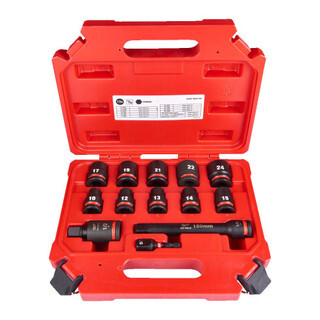
A full Milwaukee impact socket set keeps your common sizes together, usually in a case you can throw in the van or workshop trolley. The real benefit is not theory. It is getting straight on with the job instead of hunting for the one socket that has gone missing.

Milwaukee Impact Socket Accessories That Keep You Working

A couple of the right extras stop simple fastening jobs turning into a waste of time.

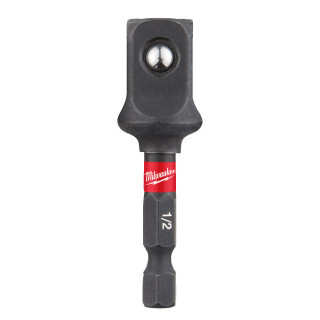
1. Adaptors and Extensions

These save you when the socket you need will not match the tool in your hand or the fixing is buried behind guards, brackets or framework. Without them, you end up stripping access panels or reaching for the wrong tool just to finish one bolt.

2. Retaining Rings and Pins

If you are working overhead, under vehicles or around plant, the last thing you need is a socket dropping off mid-job. The right retaining parts keep the socket locked on properly when the gun is doing real work.

3. Replacement Single Sockets

One size always gets the most abuse. Replacing that single worn or missing socket makes far more sense than retiring a whole set just because the common size has gone walkabout.

Choose the Right Milwaukee Impact Sockets for the Job

Use this quick guide to narrow down the right socket type for the work in front of you.

Your Job Category or Type Key Features
General fixing, workshop jobs, common bolt removal Standard Milwaukee impact socket set Good coverage of regular sizes, compact storage, quick to grab for day to day use
Long studs, recessed nuts, awkward access Milwaukee deep socket set Extra depth for threaded rod and buried fixings, less need for makeshift setups
Replacing one lost or worn size Individual Milwaukee impact sockets Cheaper than replacing a full set, ideal for your most-used sizes
High-use fastening with SHOCKWAVE kit already in the van Milwaukee shockwave socket set Built for impact work, easy to match with existing SHOCKWAVE accessories and singles

Common Buying and Usage Mistakes

  • Using standard chrome sockets on an impact wrench is a classic mistake. They are not built for repeated shock load and can crack, wear fast or fail when you least need it.
  • Buying only shallow sockets for mixed site work usually comes back to bite you. As soon as you hit threaded rod or recessed fixings, the socket will not seat properly and the job slows right down.
  • Ignoring the drive size catches plenty of people out. The socket might fit the nut, but if it does not match the tool properly you are into adaptors, lost torque and extra faff.
  • Choosing a set without the sizes you actually use most is false economy. Check your common fixings first, otherwise half the set stays in the case and you still need extra singles.
  • Running damaged or rounded sockets too long ruins fasteners and wastes time. Once the fit is poor, replace the socket before it starts chewing bolt heads on every job.

Standard vs Deep vs Individual Milwaukee Impact Sockets

Standard Impact Sockets

These are the everyday choice for exposed nuts, short bolts and general workshop or site fastening. They are more compact than deep sockets and usually the first pick for routine jobs, but they will not help much on long studs or recessed fixings.

Deep Impact Sockets

Deep sockets come into their own when a standard socket cannot reach over threaded rod or down onto buried nuts. They are the better call for plant, maintenance and structural fastening, though they can be a bit bulkier where space is tight around the fixing.

Individual Impact Sockets

Singles are the sensible option when one size does most of the work or when a key socket has gone missing. They are not the fastest way to build a full working kit from scratch, but they are ideal for topping up a set without wasting money.

Maintenance and Care

Wipe Them Down After Dirty Jobs

If they have been under a chassis, in the yard or covered in wet grit, give them a quick clean before they go back in the case. Built-up grime hides wear and trashes the case just as quickly as the sockets.

Check the Working End for Rounding

Look at the socket opening, not just the outside finish. If the points are worn or the fit feels sloppy on a known good fastener, retire it before it starts wrecking bolt heads.

Keep Sets Complete

Put sockets back in the case after the job instead of chucking them loose in the van. A tidy set means you spot missing sizes straight away and do not turn up on site one socket short.

Replace Worn Retaining Parts

If your setup uses rings, pins or adaptors, check them regularly. A worn retaining part can make a good socket feel unreliable and increases the chance of it dropping off under load.

Why Shop for Milwaukee Impact Sockets at ITS?

Whether you need a single replacement, a full Milwaukee impact socket set, deep sockets or SHOCKWAVE options, we stock the proper range in one place. It is all held in our own warehouse, ready for next day delivery, so you can get the right sizes on site without hanging about.

Milwaukee Impact Socket FAQs

Are Milwaukee Shockwave HSS drill bits impact-rated?

No, not in the same way as impact sockets or nut driving accessories. HSS drill bits are for drilling, not for taking the hammering load of fastening tools. If you are buying for impact wrench work, stick with proper Milwaukee impact sockets and socket accessories.

What is the benefit of the Thunderbolt web design on these drill bits?

The thicker core helps strengthen the bit so it is less likely to snap, especially in harder metals or when the drill catches. That matters for drilling jobs, but it is separate from choosing the right Milwaukee impact socket set for fastening and removal work.

Can these bits be used for drilling through stainless steel?

Yes, if the bit is rated for metal and you use the right speed, pressure and cutting fluid. Go too fast and you will cook the edge. For this page though, you are looking at impact sockets, which are for turning fixings rather than drilling materials.

Can I use Milwaukee impact sockets on a normal ratchet as well?

Yes, you can. They will work fine on a hand ratchet or breaker bar. They are usually a bit chunkier than standard chrome sockets, but if you want one set that can handle both hand use and impact wrench work, they are a sensible choice.

Is a Milwaukee deep impact socket set worth it, or is standard enough?

If you only ever work on exposed nuts and short bolts, standard will do most of the day to day jobs. If you see threaded rod, recessed fixings or plant hardware, deep sockets are worth having because they stop a lot of avoidable messing about.

Will these stand up to seized fixings and daily workshop abuse?

Yes, that is what they are for. A proper Milwaukee impact set is built for repeated high torque use on stubborn fasteners. They are tough, but if you use the wrong size on rounded bolts or keep running worn sockets, you will still shorten their life.

Read more

Milwaukee Socket Sets

Milwaukee impact sockets are built for rattling off stubborn fixings, plant bolts and wheel nuts without rounding heads or splitting under load.

When you're on seized fixings, rusted fasteners or repetitive assembly work, a proper Milwaukee impact set saves time and saves your knuckles. These are made for use with impact wrenches and drivers where chrome hand sockets give up early. If you need a Milwaukee impact socket set, deep socket set or SHOCKWAVE socket set that stands up to daily graft, sort the right sizes and drive type now.

What Are Milwaukee Impact Sockets Used For?

  • Shifting seized suspension bolts, wheel nuts and heavy fixings in workshops or mobile repair jobs is exactly where Milwaukee impact sockets earn their keep, especially when hand tools are just wasting time.
  • Tightening anchor bolts, frame fixings and structural hardware on site is easier with a Milwaukee impact socket set that can take repeated hammering from an impact wrench without cracking.
  • Working on deep studwork, threaded rod and recessed nuts is where a Milwaukee deep socket set makes sense, giving you the reach a standard socket just has not got.
  • Running through repetitive fixings on steelwork, plant maintenance or assembly jobs is quicker with impact-rated sockets that grip properly and do not round off awkward fasteners halfway through the day.

Choosing the Right Milwaukee Impact Sockets

Sorting the right one is simple. Match the socket to the fixing, the access, and the torque you are actually using on site.

1. Standard or Deep

If you are mainly on wheel nuts, short bolts and exposed fixings, standard sockets are usually enough and keep things a bit more compact. If you are working on long studs, recessed nuts or plant fixings, go straight to a Milwaukee deep socket set and save yourself the usual fight for access.

2. Buy Singles or a Full Set

If you keep burning through one common size, start with Milwaukee Individual Impact Sockets. If you are kitting out a van, workshop or site box from scratch, Milwaukee Impact Socket Sets make more sense and stop those last-minute trips for missing sizes.

3. Check the Drive Size

Do not just look at the socket size. Make sure the drive matches your impact wrench or adaptor. If your tool is doing heavier fastening work, a larger drive setup is usually the safer bet. For lighter install and maintenance jobs, smaller drives keep the kit easier to carry and quicker to use.

4. Think About the Full System

If you need adaptors, retaining parts or replacements, have a look at Milwaukee Impact Socket Accessories. If you are already running the SHOCKWAVE range, Milwaukee SHOCKWAVE Individual Impact Sockets and Milwaukee SHOCKWAVE Impact Socket Accessories keep everything in the same working setup.

Who Uses These on Site?

  • Plant fitters and mechanics reach for Milwaukee impact sockets when they are dealing with corroded nuts, hub fixings and underbody bolts that need proper impact force, not a chewed-up chrome socket.
  • Steel erectors and fabricators use a Milwaukee impact set for bolting up frames, brackets and heavy sections where speed matters and the sockets need to survive daily use on high torque tools.
  • Groundworkers and construction crews keep a Milwaukee deep impact socket set handy for shuttering gear, anchors and site plant fixings, especially where long studs and recessed fasteners are common.
  • Maintenance teams and service engineers swear by these for van stock because they cover breakdowns, install work and repair jobs without needing separate socket kits for every awkward fixing.

The Basics: Understanding Milwaukee Impact Sockets

Impact sockets are not the same as standard hand sockets. The core difference is that they are made to handle repeated hammering from impact tools without failing when the job gets stubborn.

1. Impact Rated Means Built for Hammering Load

An impact wrench does not turn smoothly like a hand ratchet. It hits the fixing in rapid bursts of torque. Milwaukee impact sockets are built to take that shock so you can keep removing tight fasteners without splitting sockets or damaging the drive end.

2. Deep Sockets Give You Reach

A deep impact socket set is for jobs where the nut sits down a thread, over a stud or behind surrounding hardware. On site, that means less messing about with unsuitable extensions and a cleaner fit on awkward fixings.

3. Sets Save Time More Than Anything

A full Milwaukee impact socket set keeps your common sizes together, usually in a case you can throw in the van or workshop trolley. The real benefit is not theory. It is getting straight on with the job instead of hunting for the one socket that has gone missing.

Milwaukee Impact Socket Accessories That Keep You Working

A couple of the right extras stop simple fastening jobs turning into a waste of time.

1. Adaptors and Extensions

These save you when the socket you need will not match the tool in your hand or the fixing is buried behind guards, brackets or framework. Without them, you end up stripping access panels or reaching for the wrong tool just to finish one bolt.

2. Retaining Rings and Pins

If you are working overhead, under vehicles or around plant, the last thing you need is a socket dropping off mid-job. The right retaining parts keep the socket locked on properly when the gun is doing real work.

3. Replacement Single Sockets

One size always gets the most abuse. Replacing that single worn or missing socket makes far more sense than retiring a whole set just because the common size has gone walkabout.

Choose the Right Milwaukee Impact Sockets for the Job

Use this quick guide to narrow down the right socket type for the work in front of you.

Your Job Category or Type Key Features
General fixing, workshop jobs, common bolt removal Standard Milwaukee impact socket set Good coverage of regular sizes, compact storage, quick to grab for day to day use
Long studs, recessed nuts, awkward access Milwaukee deep socket set Extra depth for threaded rod and buried fixings, less need for makeshift setups
Replacing one lost or worn size Individual Milwaukee impact sockets Cheaper than replacing a full set, ideal for your most-used sizes
High-use fastening with SHOCKWAVE kit already in the van Milwaukee shockwave socket set Built for impact work, easy to match with existing SHOCKWAVE accessories and singles

Common Buying and Usage Mistakes

  • Using standard chrome sockets on an impact wrench is a classic mistake. They are not built for repeated shock load and can crack, wear fast or fail when you least need it.
  • Buying only shallow sockets for mixed site work usually comes back to bite you. As soon as you hit threaded rod or recessed fixings, the socket will not seat properly and the job slows right down.
  • Ignoring the drive size catches plenty of people out. The socket might fit the nut, but if it does not match the tool properly you are into adaptors, lost torque and extra faff.
  • Choosing a set without the sizes you actually use most is false economy. Check your common fixings first, otherwise half the set stays in the case and you still need extra singles.
  • Running damaged or rounded sockets too long ruins fasteners and wastes time. Once the fit is poor, replace the socket before it starts chewing bolt heads on every job.

Standard vs Deep vs Individual Milwaukee Impact Sockets

Standard Impact Sockets

These are the everyday choice for exposed nuts, short bolts and general workshop or site fastening. They are more compact than deep sockets and usually the first pick for routine jobs, but they will not help much on long studs or recessed fixings.

Deep Impact Sockets

Deep sockets come into their own when a standard socket cannot reach over threaded rod or down onto buried nuts. They are the better call for plant, maintenance and structural fastening, though they can be a bit bulkier where space is tight around the fixing.

Individual Impact Sockets

Singles are the sensible option when one size does most of the work or when a key socket has gone missing. They are not the fastest way to build a full working kit from scratch, but they are ideal for topping up a set without wasting money.

Maintenance and Care

Wipe Them Down After Dirty Jobs

If they have been under a chassis, in the yard or covered in wet grit, give them a quick clean before they go back in the case. Built-up grime hides wear and trashes the case just as quickly as the sockets.

Check the Working End for Rounding

Look at the socket opening, not just the outside finish. If the points are worn or the fit feels sloppy on a known good fastener, retire it before it starts wrecking bolt heads.

Keep Sets Complete

Put sockets back in the case after the job instead of chucking them loose in the van. A tidy set means you spot missing sizes straight away and do not turn up on site one socket short.

Replace Worn Retaining Parts

If your setup uses rings, pins or adaptors, check them regularly. A worn retaining part can make a good socket feel unreliable and increases the chance of it dropping off under load.

Why Shop for Milwaukee Impact Sockets at ITS?

Whether you need a single replacement, a full Milwaukee impact socket set, deep sockets or SHOCKWAVE options, we stock the proper range in one place. It is all held in our own warehouse, ready for next day delivery, so you can get the right sizes on site without hanging about.

Milwaukee Impact Socket FAQs

Are Milwaukee Shockwave HSS drill bits impact-rated?

No, not in the same way as impact sockets or nut driving accessories. HSS drill bits are for drilling, not for taking the hammering load of fastening tools. If you are buying for impact wrench work, stick with proper Milwaukee impact sockets and socket accessories.

What is the benefit of the Thunderbolt web design on these drill bits?

The thicker core helps strengthen the bit so it is less likely to snap, especially in harder metals or when the drill catches. That matters for drilling jobs, but it is separate from choosing the right Milwaukee impact socket set for fastening and removal work.

Can these bits be used for drilling through stainless steel?

Yes, if the bit is rated for metal and you use the right speed, pressure and cutting fluid. Go too fast and you will cook the edge. For this page though, you are looking at impact sockets, which are for turning fixings rather than drilling materials.

Can I use Milwaukee impact sockets on a normal ratchet as well?

Yes, you can. They will work fine on a hand ratchet or breaker bar. They are usually a bit chunkier than standard chrome sockets, but if you want one set that can handle both hand use and impact wrench work, they are a sensible choice.

Is a Milwaukee deep impact socket set worth it, or is standard enough?

If you only ever work on exposed nuts and short bolts, standard will do most of the day to day jobs. If you see threaded rod, recessed fixings or plant hardware, deep sockets are worth having because they stop a lot of avoidable messing about.

Will these stand up to seized fixings and daily workshop abuse?

Yes, that is what they are for. A proper Milwaukee impact set is built for repeated high torque use on stubborn fasteners. They are tough, but if you use the wrong size on rounded bolts or keep running worn sockets, you will still shorten their life.
ITS Click and Collect Icon
What3Words:
Get Directions
Store Opening Hours
Opening times
