Milwaukee M18 Torches & Lighting
Milwaukee M18 light kit gives you proper site lighting for lofts, voids, first fix and late finishes, without dragging extension leads through the job.
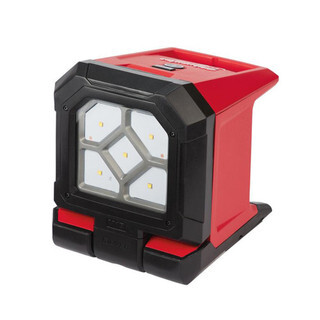
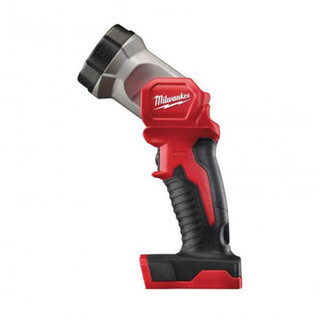
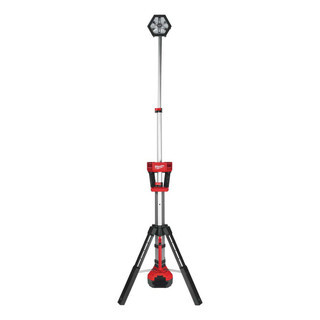
When you're working in dark corners, plant rooms or half-finished plots, decent lighting stops mistakes and saves time. Milwaukee site lighting on the M18 platform suits sparks, fitters and snagging teams who need clear, reliable light that moves with the job. From an m18 flood light for room coverage to a milwaukee tower light for bigger areas, this is kit built for real site use. If you already run M18 gear, it makes sense to keep everything on one battery system. You can also look at Milwaukee M18 Torches, Milwaukee M18 Head Torches and Milwaukee M18 Tripod Lights if the job needs something more specific. For the full range, see Milwaukee M18 Site Lighting & Torches and get the right light on site.
What Are Milwaukee M18 Lights Used For?
- Lighting out first fix in loft spaces, risers and ceiling voids where a hand torch is no good and you need both hands free to work cleanly and safely.
- Flooding rooms, corridors and stairwells with enough light for late snagging, final fix and handover work when the permanent electrics are not live yet.
- Setting up an m18 flood light or milwaukee tower light on refurbs and extensions where trailing 110V leads just get in the way and slow everyone down.
- Keeping work areas visible for plumbers, sparkies and fitters in plant rooms, basements and service cupboards where shadows hide fixings, labels and pipe routes.
- Backing up saws and cutting stations on dull winter jobs, especially if you're already running Milwaukee M18 Saws and want one battery platform across the van.
Choosing the Right Milwaukee M18 Light
Sorting the right one is simple. Match the light spread, run time and setup to the space you're actually working in.
1. Flood Light or Tower Light
If you are lighting one room, a cupboard or a bench area, an m18 flood light is usually plenty and quicker to move about. If you need to light a larger room, stair core or whole work zone, go straight for a milwaukee tower light so you get height and wider coverage.
2. Battery Only or Battery and Mains
If you're constantly moving between plots, battery power keeps things simple and stops the lead faff. If the light will stay in one area all day, a model that can run on both battery and mains is the sensible choice for long shifts.
3. Size and Carry Weight
Do not buy the biggest unit if you're only hopping from room to room. Smaller Milwaukee M18 light options are easier for service work and snagging, while bigger site lights earn their keep on open areas and heavier fit-out jobs.
4. Existing M18 Batteries
If you already run M18 drills, saws and radios, staying with m18 site lighting is a no-brainer. More amp hour means longer run time, so do not expect a small pack to cover a full night shift on a high-output tower light.
Who Uses These on Site?
- Sparkies rely on a Milwaukee M18 light for board changes, cable runs and fault finding in dark cupboards, lofts and unfinished plots where you need proper visibility, not phone light.
- Plumbers and heating engineers use m18 site lighting in airing cupboards, plant rooms and under sinks where shadows make valve work and pipe identification harder than it needs to be.
- Joiners and kitchen fitters use an m18 flood light for clean marking out, scribing and final adjustments when indoor lighting is poor and you cannot afford a bad cut.
- Site managers and snagging teams keep a milwaukee led work light in the van for inspections, handovers and quick checks at the end of the day when natural light has gone.
- Maintenance teams swear by these for callouts because they set up fast, run on the same batteries as the rest of their M18 kit and do not need a lead every time.
The Basics: Understanding Milwaukee M18 Site Lighting
These lights are not complicated, but the right type makes a big difference on site. The main thing is knowing how the light is spread, how it's powered and where it needs to sit to do the job properly.
1. Flood Lighting for General Area Work
An m18 flood light throws a broad beam across a room or work zone. That makes it the go-to for first fix, inspection work and general setup where you want fewer shadows across floors, walls and benches.
2. Tower and Tripod Lighting for Height
A milwaukee tower light lifts the beam higher, which spreads light further and stops tools, materials and lads standing in their own shadows. That is what you want on larger spaces, open plots and fit-out areas.
3. Battery Platform and Run Time
Milwaukee M18 lights run off the same batteries as the rest of the platform, so bigger packs generally mean longer use between changes. For quick visits, smaller batteries are fine. For all-day lighting, use a higher capacity pack or a hybrid mains model if the range includes it.
Accessories That Keep Milwaukee M18 Lights Working
A few sensible add-ons save battery swaps, bad placement and wasted trips back to the van.
1. Higher Capacity M18 Batteries
This is the obvious one. A tower or flood light on full output will chew through a small pack faster than most expect, so keep a bigger battery ready if the light is staying on for hours.
2. Chargers
A charger in the van or workshop stops you turning up with flat batteries and no backup. If the light is part of your daily kit, keeping packs rotated is half the battle.
3. Tripod or Mounting Options
Getting the light up off the floor makes a bigger difference than lads think. Better height means less glare, fewer shadows and less chance of the unit getting kicked over in a busy work area.
Choose the Right Milwaukee M18 Light for the Job
Use this quick guide to narrow down the right light for your site work.
| Your Job | Light Type | Key Features |
|---|---|---|
| Loft work, cupboards and service checks | Compact Milwaukee M18 light | Easy to carry, quick to position, enough output for close work |
| First fix in rooms and corridors | M18 flood light | Wide beam spread, broad room coverage, less shadow on walls and floors |
| Fit-out in larger open areas | Milwaukee tower light | Higher light position, stronger coverage, better reach across the space |
| Long shifts in one work zone | Hybrid battery and mains light | Runs on M18 packs or mains supply, less downtime, better for all-day use |
| Van stock for callouts and snagging | Portable Milwaukee LED work light | Fast setup, compact storage, simple grab-and-go lighting |
Common Buying and Usage Mistakes
- Buying on lumens alone. Big output sounds good, but if the beam pattern is wrong for the space you still end up with dark corners and harsh shadows. Match the light type to the room, not just the number.
- Using small batteries for all-day lighting. That is fine for a quick check or short snag list, but on proper site use you will be swapping packs too often. Use a bigger M18 battery or a hybrid unit.
- Setting the light too low. Floor-level lighting gets blocked by materials, lads and tools, which leaves you working in your own shadow. Get it higher if the model allows it.
- Choosing a big tower unit for every job. They are excellent on wider spaces, but overkill for service calls and room-to-room work. A compact Milwaukee M18 light is often the better shout for mobile trades.
- Ignoring site conditions. Not every light wants mud, rain and being thrown in the van loose, so check the build and rating before you treat it like general rubble-site kit.
Flood Lights vs Tower Lights vs Torches
M18 Flood Lights
Best for lighting whole rooms, work benches and first-fix areas without much setup. They are easier to carry than tower lights, but they do not give you the same height or large-area spread.
Milwaukee Tower Lights
These are the right choice for bigger spaces where the light needs to sit above the job and throw wider coverage. They take up more room in the van, but they are miles better for open plots and fit-out zones.
M18 Torches
Torches are ideal for inspections, quick checks and getting into tight spots, but they are not a replacement for proper site lighting when you need both hands free. They work best as backup kit, not your main light source.
Maintenance and Care
Keep the Lens Clean
Dust, plaster and paint overspray cut light output quicker than you think. Wipe the lens down after the job so you are getting the brightness you paid for.
Check Hinges and Stands
Adjustable heads, folding bases and tower sections take the knocks on site. Give them a quick check before loading out so you do not end up with a light that will not hold position.
Look After the Battery Terminals
Dirty or damp contacts cause bad connection and intermittent power. Keep the battery foot and tool terminals clean, especially if the light lives in the van with dusty gear.
Store It Properly
Do not just throw the unit under offcuts and rubble in the back of the van. A light with a cracked lens or bent stand is no use when you need it for an evening callout.
Replace Worn Parts Before They Fail
If the cable, plug, catches or stand locks are looking tired, deal with it early. Lighting kit gets used when the pressure is on, so do not wait until it lets you down on site.
Why Shop for Milwaukee M18 Lights at ITS?
Whether you need a compact Milwaukee M18 light for callouts, an m18 flood light for room coverage or a milwaukee tower light for bigger fit-out work, we stock the full range. It is all in our own warehouse, ready for next day delivery, so you can get the right Milwaukee site lighting on the van without hanging about.
Milwaukee M18 Light FAQs
How many lumens does an M18 tower light produce?
It depends on the exact model, because output varies across the range. Some compact units are suited to room lighting and inspection work, while larger Milwaukee tower lights push out far more for open areas. Check the listed lumen figure against the size of the space you are trying to light, not just the biggest number on the page.
Is the Milwaukee site light waterproof?
Not every model is fully waterproof, so do not assume they are all built for sitting in standing water or heavy weather. Many Milwaukee site lighting units are made for tough site use and will handle typical dust, knocks and light rain well, but always check the IP rating for the exact light if it is going outside.
Can Milwaukee M18 lights be powered by both battery and mains?
Some can, some cannot. Hybrid models are ideal if the light will stay in one place all day because you can save battery for moving between jobs. Battery-only models are better where speed and portability matter more than all-day mains use.
Are these worth it if I already own other M18 tools?
Yes, that is one of the main reasons lads buy them. If you already run M18 batteries and chargers, adding Milwaukee M18 lights keeps the van simpler and saves you buying into another platform just for lighting.
Will an M18 flood light be enough for a full room?
For most rooms, yes, especially on first fix and snagging. For larger open-plan areas, stair cores or spaces with poor natural light, a tower light usually does a better job because it throws light higher and wider.
Do these lights handle site abuse, or are they just workshop kit?
They are built for proper trade use, not just sitting on a clean bench. That said, tough does not mean indestructible. Keep the lens clean, do not crush the stand in the van, and they will put up with normal site knocks just fine.