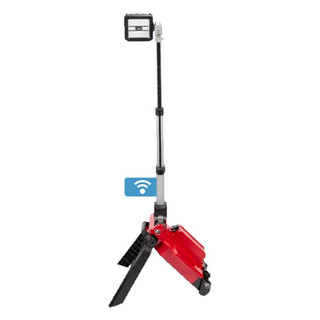
Milwaukee M18 Site Lighting & Torches
Milwaukee M18 work light kit is for dark lofts, late handovers, and first fix corners where a torch is not enough and mains power is a faff.
If you are working before sun-up, inside a cupboard, or finishing snagging after the power is off, a proper milwaukee 18v work light saves time and stops guesswork. These Milwaukee M18 site light and torch options run on the same Milwaukee M18 platform as the rest of your kit, so you are not carrying extra systems just to see what you are doing. Pick a compact Torches style for inspections, or go bigger for broad area lighting that will stand up to site knocks and awkward corners.
What Are Milwaukee M18 Work Lights Used For?
- Working in lofts, risers, and under stairs is far easier with an m18 work light that throws proper spread instead of a narrow beam that leaves half the job in shadow.
- Finishing first fix in new builds or refurbs after the temporary lighting is down is exactly where a cordless work light milwaukee m18 earns its keep.
- Checking pipe runs, cable routes, and plant cupboards during fault finding is quicker with a milwaukee m18 torch you can move one-handed without dragging leads behind you.
- Snagging, decorating touch-ups, and end-of-job handover inspections all benefit from a milwaukee m18 site light that shows missed marks, uneven finishes, and dusty corners properly.
- Night work, winter roofing jobs, and outside access work are easier when a milwaukee 18v work light gives you stable light on the spot instead of relying on phone torches or borrowed site lamps.
Choosing the Right Milwaukee M18 Work Light
Match the light to the space and the shift length. Do not buy a pocket torch when you really need area light.
1. Torch or Area Light
If you are inspecting voids, meter boxes, and cupboards, a Milwaukee M18 torch is the sensible pick because it is quick to grab and easy to aim. If you are actually working in the space for an hour or more, go for a broader site light so you can see the whole task, not just the bit straight ahead.
2. Body Only or Kit
If you are already on M18, a milwaukee m18 work light body only usually makes more sense and saves money. If this is your first light on the platform or you need it ready for work straight away, a milwaukee m18 work light kit with battery and charger avoids the usual last-minute scramble.
3. Runtime Depends on Battery Size
For quick inspections, smaller packs are fine. If the light is staying on for long snagging sessions, breakdown work, or all-day fit-outs, use higher capacity Milwaukee M18 Batteries or you will be swapping packs too often.
4. Think About How It Stands
If you work on floors, benches, or in corners, check the base and head adjustment so it stays where you put it. For bigger room coverage and higher throw, look at Milwaukee M18 Tripod Lights rather than trying to prop a small lamp on whatever is lying about.
Who Uses These on Site?
- Sparkies rely on a milwaukee m18 work light for board changes, loft cable runs, and fault finding where house power is isolated and you still need both hands free.
- Plumbers and heating engineers use them under sinks, in airing cupboards, and around plant rooms where shadows make leak checks and valve work harder than they need to be.
- Joiners and kitchen fitters keep an m18 work light body only in the van for cabinet installs, scribing, and snagging when overhead room lighting is poor or missing.
- Site managers and handover teams use larger Milwaukee M18 site light options for late inspections, temporary lighting, and picking up defects before the client does.
- Mechanicals, maintenance teams, and van fitters swear by the compact torch styles because they can grab them fast for inspections, then throw them back in beside their Milwaukee M18 Radios and get on.
How Milwaukee M18 Work Lights Work for You
The main thing to understand is not just brightness. It is how the light is spread, how it is positioned, and how long it lasts on the battery you already run.
1. Spot Light vs Flood Light
A torch or spot style throws a tighter beam for inspection work, looking down runs, or picking out one fixing point. A flood or area light spreads light wider, which is what you want when fitting, cutting, or snagging in one place for a while.
2. Cordless Means Light Where Mains Cannot Go
Because these run on M18 batteries, you can get proper light into lofts, external access points, cupboards, and unfinished rooms without hunting for sockets or trailing extension leads through the job.
3. Battery Size Changes the Shift, Not the Beam
A bigger battery does not usually make the lamp brighter, but it does keep you working longer between swaps. That matters more on late call-outs and long second-fix sessions than it does on a quick inspection.
Milwaukee M18 Work Light Accessories That Actually Help
A light is only as useful as the power and setup behind it, so get the extras that stop downtime on site.
1. Spare M18 Batteries
This is the obvious one, but it matters. Do not get caught on a late snagging run or plant room call-out with the lamp dead and your only battery tied up in another tool.
2. M18 Chargers
A charger in the van or workshop keeps lights ready between jobs. It saves that familiar mess of robbing half-charged packs from drills and hoping they last the evening.
3. Tripods and Mounting Options
If you need light higher up or spread across a room, proper stands and mounting options beat balancing the light on a bucket, window board, or stack of plasterboard.
Choose the Right Milwaukee M18 Work Light for the Job
Here is the quick way to sort the right light for the kind of work you actually do.
| Your Job | Light Type | Key Features |
|---|---|---|
| Checking cupboards, loft spaces, and service voids | Milwaukee M18 torch | Compact body, one-handed use, tighter beam for inspection work |
| First fix or second fix in poorly lit rooms | Compact M18 area light | Wider light spread, adjustable head, stable base for bench or floor use |
| Late snagging, decorating checks, and handover work | Mid-size Milwaukee M18 site light | Good flood coverage, longer runtime, easy to move room to room |
| Large rooms, open areas, and higher-level work | Tripod or high-output site light | Raised output, broad area coverage, better height and angle adjustment |
| Existing M18 user adding another bare tool | M18 work light body only | Lower upfront cost, uses packs you already own, no duplicate charger |
Common Buying and Usage Mistakes
- Buying a torch when you really need area lighting is the usual mistake. You save a few quid up front, then spend the whole job shifting shadows about instead of getting on.
- Ignoring runtime and using the smallest battery you own soon gets old. If the light is on for hours, step up the battery size or keep a spare charged pack ready.
- Assuming every light will stand well in awkward spaces catches people out. Check the base, pivot, and mounting options before you end up wedging it against a paint tin.
- Buying a kit with battery and charger when you already run M18 can be wasted money. If you are already on the platform, body only is often the smarter buy.
- Leaving the light filthy after dusty jobs shortens its life. Wipe lenses and housings down so output stays clear and the switches do not get clogged up.
Torch Lights vs Area Lights vs Tripod Lights
Milwaukee M18 Torch Lights
Best for inspections, quick call-outs, and tight access where you need to point light exactly where you are looking. They are easy to carry, but they do not light a full working area as well as a proper flood light.
Milwaukee M18 Area Lights
This is the sensible middle ground for most trades. You get broader spread for fitting, fixing, and snagging, without the bulk of a full stand light. If you spend time working in one room at a time, this is usually the one.
Milwaukee M18 Tripod Lights
Tripod lights are for larger spaces, higher throw, and jobs where one light needs to cover more of the room or site. They take up more room in the van, but they stop you dragging smaller lamps from corner to corner all shift.
Maintenance and Care
Clean the Lens Properly
Dust, plaster, and paint mist cut the output more than people think. Wipe the lens after site use with a soft cloth so you keep the beam clear and do not scratch it up.
Check Battery Contacts
If packs are going on and off all week, keep the contacts clean and dry. Dirty terminals can cause poor connection and random cut-outs that look like a faulty light.
Store It Without Crushing the Head
Do not throw adjustable lights in the van under boxes and cases. Hinges, pivots, and lenses last longer if the light is stored flat and not used as a shelf by everything else.
Dry It Off After Wet Work
If it has been out in rain or washdown conditions, dry the housing and battery fitting before it goes back in the case or van. That helps protect switches, seals, and battery terminals.
Replace Damaged Parts Early
A cracked lens, sloppy stand, or damaged battery foot only gets worse on site. Sort it early before the light becomes unstable or the beam drops off when you need it most.
Why Shop for Milwaukee M18 Work Lights at ITS?
Whether you need a compact milwaukee m18 torch, a milwaukee m18 work light body only, or a larger area light for handover and fit-out work, we stock the full spread. Our Milwaukee lighting range is in our own warehouse and ready for next day delivery, so you can get the right light on site without holding the job up.
Milwaukee M18 Work Light FAQs
How bright is the Milwaukee M18 work light?
That depends on which Milwaukee M18 work light you choose, because the range covers compact torches through to wider area lights. In real use, even the smaller units are a clear step up from phone torches or old halogen hand lamps, and the larger site lights are built to properly light a room, loft, or work area rather than just one fixing point.
How long does the M18 work light run on one battery?
Runtime varies with the light output setting and the battery capacity you fit. The straight answer is that a bigger M18 battery gives you a much longer shift, which matters for snagging, breakdown work, and evening jobs. If you only run small packs, keep a spare charged because high-output lights will get through them quicker than a drill used on and off.
Can the M18 work light stand freely on site?
Yes, many Milwaukee M18 work light models are designed with stable bases or mounting options so they can stand on floors, benches, and window boards without needing to be held. That said, some compact torch styles are more about handheld use, so if free-standing setup is important, check the base and head design before you buy.
Will my existing M18 batteries fit the work light?
Yes, if you already use Milwaukee M18 tools, your existing M18 batteries will fit compatible M18 work lights. That is one of the main reasons lads buy body only lighting in the first place. It keeps everything on one battery system and stops you hauling another charger and pack around just for site lighting.
What warranty comes with the Milwaukee M18 work light?
Warranty can vary by model and whether you are buying body only or a kit, so it is always worth checking the individual product listing. Milwaukee generally backs its M18 kit well, but the sensible move is to confirm the exact cover shown on the product page before ordering.
Is a body only Milwaukee M18 work light worth it?
Yes, if you are already on M18 it is usually the best-value way to buy. You use the batteries and charger you already own, keep your van kit simpler, and avoid paying twice for gear you do not need.