



Milwaukee M18 Sanders Milwaukee M18 Sanders

Milwaukee M18 Sanders

Milwaukee orbital sander kits are built for clean prep, fast stock removal, and snag-free finishing on site or in the workshop.

When you're smoothing filler, knocking back painted timber, or cleaning up cut edges before second fix, a decent sander saves time and your wrists. Milwaukee M18 sanders suit chippies, kitchen fitters, decorators, and joiners who need cordless control without dragging leads about. If you're already on M18, it makes sense to stay on one battery platform and get the right sander for the graft.

What Are Milwaukee Orbital Sanders Used For?

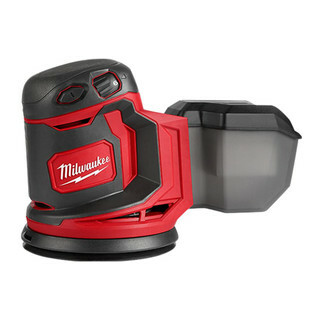
  • Sanding down filler, primers, and paint on refurb jobs is where a Milwaukee random orbital sander earns its keep, especially when you are moving room to room and do not want a lead under your feet.
  • Cleaning up MDF, ply, and softwood edges before fitting kitchens, wardrobes, or built-ins is quicker with a Milwaukee palm sander that is easy to control one-handed.
  • Flattening rough sawn timber, trimming back high spots, and preparing joinery for finish coats suits a Milwaukee sander M18 when you need decent stock removal without hauling mains kit about.
  • Working in occupied properties, loft conversions, and smaller rooms is easier with a Milwaukee cordless sander because you can move around snagging and prep work without hunting for power.
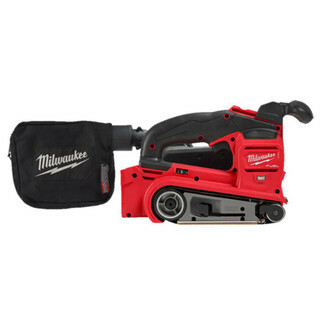
  • For heavier timber prep and longer runs on doors, boards, and stair parts, trades often step up to Milwaukee M18 Belt Sanders where a standard orbital would take too long.

Choosing the Right Milwaukee Orbital Sander

Sorting the right one is simple: match the sander to the finish you need and the amount of material you need to shift.

1. Random Orbit or Sheet

If you want an all-rounder for timber prep, filler, paint, and general snagging, go for a Milwaukee random orbital sander. If your work is more about lighter finishing work on flat surfaces and sheet abrasives you already keep in the van, a sheet sander can make more sense.

2. Finish Work or Heavy Removal

Do not expect a palm sander to rip through heavy stock removal all day. If you are flattening boards, stripping back more material, or covering longer timber runs, look harder at belt sanders. For finer prep before paint or fitting, the orbital is usually the better shout.

3. Battery Size Matters

Sanders draw steady power, so if you are on them for more than quick snagging jobs, use a higher capacity M18 battery. Smaller packs are fine for short touch-up work, but on doors, panels, or repeated prep they will have you swapping too often.

4. Abrasive Availability

Check pad size and abrasive type before you buy. There is no point choosing a machine if the discs or sheets are awkward to source when you are halfway through a job and need replacements fast.

Who Uses These on Site?

  • Chippies and joiners use a Milwaukee orbital sander for first fix clean-up and second fix finishing, especially on doors, trim, window boards, and fitted furniture where a rough edge shows up straight away.
  • Kitchen fitters reach for a Milwaukee M18 sander when easing filler, cleaning end panels, and sorting cut edges on site without dragging an extension lead through a finished house.
  • Decorators keep a Milwaukee random orbital sander handy for prep between coats, rubbing down patched walls, timber trim, and painted surfaces before the final finish goes on.
  • Shop fitters and maintenance teams like these for snagging work, quick repairs, and moving from room to room where cordless kit saves time and keeps the job tidy.
  • If you are already invested in Milwaukee M18 Cordless Kits, adding a sander is the obvious move so your batteries and chargers stay common across the van.

The Basics: Understanding Milwaukee Orbital Sanders

These sanders all do the same core job of removing material and improving the finish, but the sanding action changes how quickly they work and how clean the result looks.

1. Random Orbital Sanders

This is the go-to for most site and workshop prep. The pad spins and moves off-centre at the same time, so you get decent material removal without leaving obvious sanding lines. That makes it ideal for timber, filler, paint prep, and general finishing.

2. Sheet Sanders

These use a flatter back-and-forth action and are more about controlled finishing than fast removal. They are handy on flatter surfaces where you want to tidy things up without being too aggressive.

3. Belt Sanders

A belt sander is the one for moving material quickly. It is better for rough timber, levelling, and longer runs, but it is easier to overdo it if you are chasing a fine finish. For comparison, check Milwaukee M18 Random Orbit Sanders if your work is more finish-led.

Milwaukee Sander Accessories That Save Time on Site

The right extras stop downtime, improve finish quality, and save you making do with worn abrasives halfway through a job.

1. Spare Sanding Discs and Sheets

This is the obvious one, but it catches lads out all the time. Once the abrasive is clogged or worn, the sander stops cutting properly and starts wasting time. Keep a few grit options in the van so you can strip, smooth, and finish properly without bodging it.

2. Higher Capacity M18 Batteries

A spare battery is a no-brainer on sanders because they are often running for longer than your drill or impact. Do not get caught halfway through door prep or panel sanding waiting on a charger.

3. Dust Bags or Extraction Adaptors

Get the proper dust collection sorted. It saves you breathing the mess, keeps the finish cleaner, and cuts down clean-up in occupied houses or finished rooms where dust gets everywhere.

Choose the Right Milwaukee Orbital Sander for the Job

Use this quick guide to match the tool to the work in front of you.

Your Job Category or Type Key Features
Rubbing down filler, primers, and timber trim before paint Milwaukee random orbital sander Balanced finish and removal, easier control, fewer visible swirl marks when used with the right grit
Light finishing on flat panels and sheet material Milwaukee sheet sander Flatter sanding action, simple abrasive changes, good control for lighter prep work
Removing more material from doors, boards, or rough timber Milwaukee belt sander M18 Faster stock removal, better on longer runs, suited to heavier prep rather than final finish
Room to room snagging and finishing in occupied properties Milwaukee cordless sander No trailing lead, easier movement, quicker set-up in tight or finished spaces
Longer sanding sessions on site Milwaukee 18V sander with larger battery Better runtime, fewer swaps, more practical for repeated prep across a full day

Common Buying and Usage Mistakes

  • Buying an orbital when the job really needs a belt sander slows the whole process down. If you are removing a lot of timber quickly, step up to the right machine instead of leaning too hard on the wrong one.
  • Using worn or clogged abrasives gives a poor finish and makes the tool feel underpowered. Change discs or sheets sooner and let the abrasive do the work.
  • Running tiny batteries for long sanding jobs means constant swaps and dead time. For regular site use, fit a bigger M18 pack and keep a spare charged.
  • Starting with too fine a grit wastes time and polishes the problem instead of removing it. Start coarse enough to shift the material, then work up for the finish you need.
  • Ignoring dust collection fills the room and clogs abrasives faster. Use the bag or extraction set-up properly, especially in finished houses and customer-facing jobs.

Random Orbital vs Sheet vs Belt Sanders

Random Orbital

The best all-round pick for most trades. It handles filler, timber, paint prep, and general finishing well, giving a cleaner result than a belt sander while removing more material than a basic sheet sander.

Sheet Sander

Better for lighter, flatter finishing work where control matters more than speed. It is not the tool for heavy timber prep, but it is handy if your work is mostly fine rubbing down and touch-up prep.

Belt Sander

This is the quickest way to remove material on boards, doors, and rough timber, but it is easier to gouge the work if you are heavy-handed. Buy this if speed matters more than finish quality at the first stage.

Which One to Buy

If you only want one sander for mixed site work, go random orbital. If you already have one and need more aggression, add a belt sander. If your jobs are mostly fine prep on flat surfaces, a sheet sander still has its place.

Maintenance and Care

Keep the Pad Clean

Dust and adhesive build-up stop abrasives sticking properly and can spoil the finish. Brush the pad down after use and replace it if the hook and loop starts letting go.

Empty Dust Bags Regularly

A packed dust bag cuts collection performance and sends more mess back into the air. Empty it before it is rammed and check ports are not blocked with fine dust.

Store Abrasives Dry

Leave discs and sheets loose in a damp van and they curl, clog, or lose bite. Keep them flat and dry so they are ready to work properly when you need them.

Check the Battery Contacts

Fine sanding dust gets everywhere. Wipe battery and tool contacts clean now and then so you do not end up blaming the machine for a poor connection.

Replace Worn Parts Before They Cost You Time

If the pad is damaged, the clamp is loose, or the extraction is not sealing properly, sort it early. A tired sander leaves a worse finish and wastes more time than the replacement part costs.

Why Shop for Milwaukee Orbital Sanders at ITS?

Whether you need a Milwaukee palm sander for snagging, a Milwaukee sander M18 for daily trim work, or matching kit alongside Milwaukee M18 Saws and Milwaukee M18 Radios, we stock the full range. It is all in our own warehouse, in stock, and ready for next day delivery so you can get the right gear on site without hanging about.

Milwaukee Orbital Sander FAQs

Does Milwaukee make an orbital sander?

Yes. Milwaukee makes M18 orbital and random orbital sanders for cordless site and workshop use. They are built for timber prep, filler sanding, paint prep, and general finishing without needing mains power.

Is the M18 sander good for professionals?

Yes, for the right jobs it is properly trade-worthy. Chippies, fitters, and decorators use Milwaukee M18 sanders for room to room prep, second fix, and snagging because they are cordless, practical, and strong enough for daily use. For really heavy removal work all day, a belt sander may still be the better tool.

How powerful is a Milwaukee sander?

Power depends on the exact model and sanding type, but Milwaukee cordless sanders are strong enough for proper site prep, timber finishing, and paint rubbing down. They are not there to replace every mains machine in every situation, but for most on-site sanding they have more than enough go if you pair them with the right abrasive and battery.

Will a Milwaukee orbital sander leave swirl marks?

Not if you use it properly. A Milwaukee random orbital sander is designed to reduce obvious sanding marks, but you still need the right grit sequence, a clean pad, and steady movement. Lean on it too hard or use a worn disc and you will spoil the finish.

Is a Milwaukee cordless sander worth it over mains?

If you are moving around site, working in finished properties, or sorting snagging jobs, yes. Cordless is quicker to get going and far easier in tight rooms. If you are bench sanding for hours every day, mains still has a place, but for most trade call-outs the M18 platform is the handier option.

What battery should I use with a Milwaukee M18 sander?

For quick touch-up work, a smaller pack will do. For repeated prep on doors, panels, or full-room snagging, use a larger capacity M18 battery so you are not swapping packs all the time. Sanding is steady drain work, so runtime matters more than people think.
Read more

Milwaukee M18 Sanders

Milwaukee orbital sander kits are built for clean prep, fast stock removal, and snag-free finishing on site or in the workshop.

When you're smoothing filler, knocking back painted timber, or cleaning up cut edges before second fix, a decent sander saves time and your wrists. Milwaukee M18 sanders suit chippies, kitchen fitters, decorators, and joiners who need cordless control without dragging leads about. If you're already on M18, it makes sense to stay on one battery platform and get the right sander for the graft.

What Are Milwaukee Orbital Sanders Used For?

  • Sanding down filler, primers, and paint on refurb jobs is where a Milwaukee random orbital sander earns its keep, especially when you are moving room to room and do not want a lead under your feet.
  • Cleaning up MDF, ply, and softwood edges before fitting kitchens, wardrobes, or built-ins is quicker with a Milwaukee palm sander that is easy to control one-handed.
  • Flattening rough sawn timber, trimming back high spots, and preparing joinery for finish coats suits a Milwaukee sander M18 when you need decent stock removal without hauling mains kit about.
  • Working in occupied properties, loft conversions, and smaller rooms is easier with a Milwaukee cordless sander because you can move around snagging and prep work without hunting for power.
  • For heavier timber prep and longer runs on doors, boards, and stair parts, trades often step up to Milwaukee M18 Belt Sanders where a standard orbital would take too long.

Choosing the Right Milwaukee Orbital Sander

Sorting the right one is simple: match the sander to the finish you need and the amount of material you need to shift.

1. Random Orbit or Sheet

If you want an all-rounder for timber prep, filler, paint, and general snagging, go for a Milwaukee random orbital sander. If your work is more about lighter finishing work on flat surfaces and sheet abrasives you already keep in the van, a sheet sander can make more sense.

2. Finish Work or Heavy Removal

Do not expect a palm sander to rip through heavy stock removal all day. If you are flattening boards, stripping back more material, or covering longer timber runs, look harder at belt sanders. For finer prep before paint or fitting, the orbital is usually the better shout.

3. Battery Size Matters

Sanders draw steady power, so if you are on them for more than quick snagging jobs, use a higher capacity M18 battery. Smaller packs are fine for short touch-up work, but on doors, panels, or repeated prep they will have you swapping too often.

4. Abrasive Availability

Check pad size and abrasive type before you buy. There is no point choosing a machine if the discs or sheets are awkward to source when you are halfway through a job and need replacements fast.

Who Uses These on Site?

  • Chippies and joiners use a Milwaukee orbital sander for first fix clean-up and second fix finishing, especially on doors, trim, window boards, and fitted furniture where a rough edge shows up straight away.
  • Kitchen fitters reach for a Milwaukee M18 sander when easing filler, cleaning end panels, and sorting cut edges on site without dragging an extension lead through a finished house.
  • Decorators keep a Milwaukee random orbital sander handy for prep between coats, rubbing down patched walls, timber trim, and painted surfaces before the final finish goes on.
  • Shop fitters and maintenance teams like these for snagging work, quick repairs, and moving from room to room where cordless kit saves time and keeps the job tidy.
  • If you are already invested in Milwaukee M18 Cordless Kits, adding a sander is the obvious move so your batteries and chargers stay common across the van.

The Basics: Understanding Milwaukee Orbital Sanders

These sanders all do the same core job of removing material and improving the finish, but the sanding action changes how quickly they work and how clean the result looks.

1. Random Orbital Sanders

This is the go-to for most site and workshop prep. The pad spins and moves off-centre at the same time, so you get decent material removal without leaving obvious sanding lines. That makes it ideal for timber, filler, paint prep, and general finishing.

2. Sheet Sanders

These use a flatter back-and-forth action and are more about controlled finishing than fast removal. They are handy on flatter surfaces where you want to tidy things up without being too aggressive.

3. Belt Sanders

A belt sander is the one for moving material quickly. It is better for rough timber, levelling, and longer runs, but it is easier to overdo it if you are chasing a fine finish. For comparison, check Milwaukee M18 Random Orbit Sanders if your work is more finish-led.

Milwaukee Sander Accessories That Save Time on Site

The right extras stop downtime, improve finish quality, and save you making do with worn abrasives halfway through a job.

1. Spare Sanding Discs and Sheets

This is the obvious one, but it catches lads out all the time. Once the abrasive is clogged or worn, the sander stops cutting properly and starts wasting time. Keep a few grit options in the van so you can strip, smooth, and finish properly without bodging it.

2. Higher Capacity M18 Batteries

A spare battery is a no-brainer on sanders because they are often running for longer than your drill or impact. Do not get caught halfway through door prep or panel sanding waiting on a charger.

3. Dust Bags or Extraction Adaptors

Get the proper dust collection sorted. It saves you breathing the mess, keeps the finish cleaner, and cuts down clean-up in occupied houses or finished rooms where dust gets everywhere.

Choose the Right Milwaukee Orbital Sander for the Job

Use this quick guide to match the tool to the work in front of you.

Your Job Category or Type Key Features
Rubbing down filler, primers, and timber trim before paint Milwaukee random orbital sander Balanced finish and removal, easier control, fewer visible swirl marks when used with the right grit
Light finishing on flat panels and sheet material Milwaukee sheet sander Flatter sanding action, simple abrasive changes, good control for lighter prep work
Removing more material from doors, boards, or rough timber Milwaukee belt sander M18 Faster stock removal, better on longer runs, suited to heavier prep rather than final finish
Room to room snagging and finishing in occupied properties Milwaukee cordless sander No trailing lead, easier movement, quicker set-up in tight or finished spaces
Longer sanding sessions on site Milwaukee 18V sander with larger battery Better runtime, fewer swaps, more practical for repeated prep across a full day

Common Buying and Usage Mistakes

  • Buying an orbital when the job really needs a belt sander slows the whole process down. If you are removing a lot of timber quickly, step up to the right machine instead of leaning too hard on the wrong one.
  • Using worn or clogged abrasives gives a poor finish and makes the tool feel underpowered. Change discs or sheets sooner and let the abrasive do the work.
  • Running tiny batteries for long sanding jobs means constant swaps and dead time. For regular site use, fit a bigger M18 pack and keep a spare charged.
  • Starting with too fine a grit wastes time and polishes the problem instead of removing it. Start coarse enough to shift the material, then work up for the finish you need.
  • Ignoring dust collection fills the room and clogs abrasives faster. Use the bag or extraction set-up properly, especially in finished houses and customer-facing jobs.

Random Orbital vs Sheet vs Belt Sanders

Random Orbital

The best all-round pick for most trades. It handles filler, timber, paint prep, and general finishing well, giving a cleaner result than a belt sander while removing more material than a basic sheet sander.

Sheet Sander

Better for lighter, flatter finishing work where control matters more than speed. It is not the tool for heavy timber prep, but it is handy if your work is mostly fine rubbing down and touch-up prep.

Belt Sander

This is the quickest way to remove material on boards, doors, and rough timber, but it is easier to gouge the work if you are heavy-handed. Buy this if speed matters more than finish quality at the first stage.

Which One to Buy

If you only want one sander for mixed site work, go random orbital. If you already have one and need more aggression, add a belt sander. If your jobs are mostly fine prep on flat surfaces, a sheet sander still has its place.

Maintenance and Care

Keep the Pad Clean

Dust and adhesive build-up stop abrasives sticking properly and can spoil the finish. Brush the pad down after use and replace it if the hook and loop starts letting go.

Empty Dust Bags Regularly

A packed dust bag cuts collection performance and sends more mess back into the air. Empty it before it is rammed and check ports are not blocked with fine dust.

Store Abrasives Dry

Leave discs and sheets loose in a damp van and they curl, clog, or lose bite. Keep them flat and dry so they are ready to work properly when you need them.

Check the Battery Contacts

Fine sanding dust gets everywhere. Wipe battery and tool contacts clean now and then so you do not end up blaming the machine for a poor connection.

Replace Worn Parts Before They Cost You Time

If the pad is damaged, the clamp is loose, or the extraction is not sealing properly, sort it early. A tired sander leaves a worse finish and wastes more time than the replacement part costs.

Why Shop for Milwaukee Orbital Sanders at ITS?

Whether you need a Milwaukee palm sander for snagging, a Milwaukee sander M18 for daily trim work, or matching kit alongside Milwaukee M18 Saws and Milwaukee M18 Radios, we stock the full range. It is all in our own warehouse, in stock, and ready for next day delivery so you can get the right gear on site without hanging about.

Milwaukee Orbital Sander FAQs

Does Milwaukee make an orbital sander?

Yes. Milwaukee makes M18 orbital and random orbital sanders for cordless site and workshop use. They are built for timber prep, filler sanding, paint prep, and general finishing without needing mains power.

Is the M18 sander good for professionals?

Yes, for the right jobs it is properly trade-worthy. Chippies, fitters, and decorators use Milwaukee M18 sanders for room to room prep, second fix, and snagging because they are cordless, practical, and strong enough for daily use. For really heavy removal work all day, a belt sander may still be the better tool.

How powerful is a Milwaukee sander?

Power depends on the exact model and sanding type, but Milwaukee cordless sanders are strong enough for proper site prep, timber finishing, and paint rubbing down. They are not there to replace every mains machine in every situation, but for most on-site sanding they have more than enough go if you pair them with the right abrasive and battery.

Will a Milwaukee orbital sander leave swirl marks?

Not if you use it properly. A Milwaukee random orbital sander is designed to reduce obvious sanding marks, but you still need the right grit sequence, a clean pad, and steady movement. Lean on it too hard or use a worn disc and you will spoil the finish.

Is a Milwaukee cordless sander worth it over mains?

If you are moving around site, working in finished properties, or sorting snagging jobs, yes. Cordless is quicker to get going and far easier in tight rooms. If you are bench sanding for hours every day, mains still has a place, but for most trade call-outs the M18 platform is the handier option.

What battery should I use with a Milwaukee M18 sander?

For quick touch-up work, a smaller pack will do. For repeated prep on doors, panels, or full-room snagging, use a larger capacity M18 battery so you are not swapping packs all the time. Sanding is steady drain work, so runtime matters more than people think.

ITS Click and Collect Icon
What3Words:
Get Directions
Store Opening Hours
Opening times