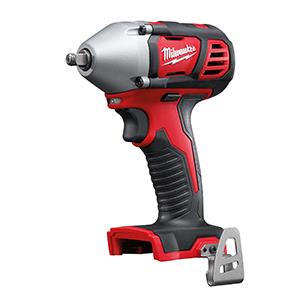
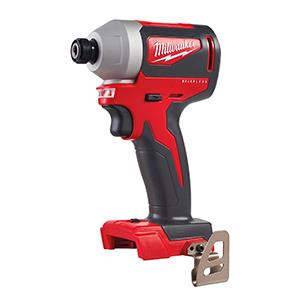
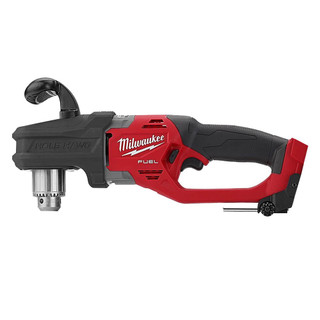
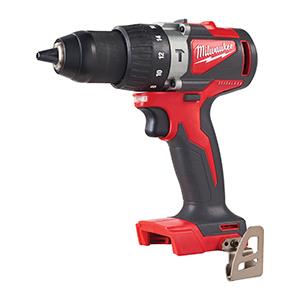
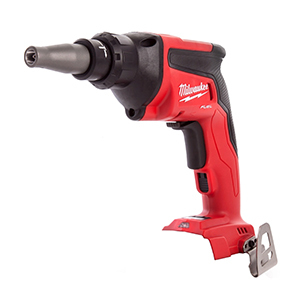
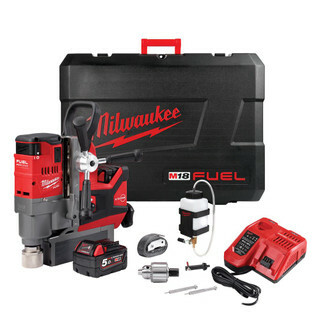
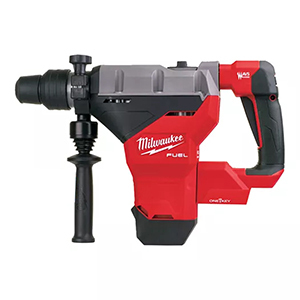
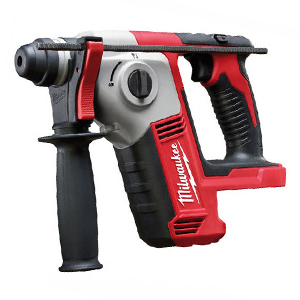
Milwaukee M18 Drills and Drivers
A Milwaukee M18 drill is the sort of kit you grab for first fix, second fix, and snagging when you need proper site power without dragging a cord round.
Whether you're drilling timber, metal studs, masonry fixings or driving long screws into joists, Milwaukee M18 drills earn their keep on busy jobs. The Milwaukee M18 brushless drill range gives you solid runtime, less maintenance and the sort of torque that stands up to repeated daily use. If you already run M18 batteries, staying on the same platform makes sense. For lighter install work, have a look at Milwaukee M12 Drills and Drivers, but if you need stronger all-round site kit, start here and pick the right drill for the work.
What Are Milwaukee M18 Drills Used For?
- Drilling timber studs, joists and sheet materials on first fix is where a Milwaukee M18 drill comes into its own, especially when you are moving room to room and need cordless power that keeps up.
- Driving long screws, coach screws and frame fixings during kitchen fits, stud partitions and general site carpentry is easier with the extra torque and control you get from the M18 platform.
- Fixing brackets, clips and trunking into block and masonry is a routine job for combi models, making them a handy one-tool option for sparkies, plumbers and maintenance teams.
- Working through snagging, second fix and day-to-day install jobs suits a Milwaukee M18 brushless drill because it gives decent runtime and less motor wear when it lives in the van all week.
- Swapping between drilling and screwdriving on refurbs, shopfits and domestic call-outs saves time when you keep the right bits in the chuck and the same batteries across the rest of your kit.
Choosing the Right Milwaukee M18 Drill
Match the drill to the work. If you are mostly driving fixings and drilling timber, do not overbuy a bigger unit than you need.
1. Brushless or Standard
If the drill is out every day, go brushless. A Milwaukee M18 brushless drill runs cooler, wastes less battery and generally stands up better to regular site use. If it is just for occasional jobs, a standard model can still do the work.
2. Drill Driver or Combi Drill
If you are mainly drilling timber, metal and driving screws, a drill driver is usually the cleaner choice. If you need to hit block or brick for fixings, pick a combi so you are not stuck carrying a second tool for basic masonry holes.
3. Compact Size or More Torque
If you work in cupboards, lofts and tight service voids, a more compact body saves your wrists and gets into places bulkier drills will not. If you are driving larger fixings or drilling wider holes all day, choose the stronger model and accept the extra weight.
4. Bare Unit or Full Kit
If you already run M18 batteries and chargers, a body only drill is the sensible buy. If this is your first step into the platform, get a kit with decent capacity batteries rather than the smallest pack going, especially for heavier drilling work.
Who Uses These on Site?
- Chippies use Milwaukee M18 drills for first fix studwork, joists and sheeted floors because they need enough torque for repeated drilling and driving without changing tools every five minutes.
- Sparkies keep one close for back boxes, cable clips, tray supports and general fixing work, especially on jobs where a combi drill covers timber, metal and the odd masonry hole in one hit.
- Plumbers and heating engineers reach for them when fitting pipe clips, brackets and plant fixings, as the M18 platform gives them a better step up when the job gets heavier than compact drill work.
- Kitchen fitters and joiners like them for cabinet installs, worktop prep and site adjustments, where clutch control matters just as much as outright power.
- Maintenance teams and site managers rely on them for everyday repairs and snagging because one Milwaukee M18 drill in the van handles a wide spread of jobs without fuss.
The Basics: Understanding Milwaukee M18 Drills
The main thing to understand is not just power. It is how the drill is built for the jobs you actually do, and whether it matches the rest of your kit.
1. Drill Driver vs Combi
A drill driver is for drilling wood and metal and for driving screws cleanly. A combi adds hammer action, which helps with light to medium masonry drilling for plugs and fixings in brick or block.
2. Brushless Means Less Waste
A brushless motor wastes less energy as heat, so you usually get better runtime and less wear over time. On a busy site, that means fewer battery swaps and a drill that keeps its edge longer.
3. M18 vs M18 Fuel
M18 covers the wider 18V platform, while M18 Fuel models are the harder-working end of the range with stronger performance for tougher drilling and fixing. If your jobs are heavier every day, look at Milwaukee Fuel Drills and Drivers.
Milwaukee M18 Drill Accessories That Save Time on Site
A decent drill is only half the story. The right extras stop downtime and make the job cleaner.
1. Spare M18 Batteries
A spare battery is the obvious one, but it matters most when you are up ladders, moving between plots or finishing a run of fixings late in the day. One pack charging while one is in the drill saves needless walks back to the van.
2. Quality Drill and Driver Bit Sets
Cheap bits round off fast and make a good drill feel rough. Keep proper wood, metal and masonry bits plus solid impact-rated driver bits in the case so you are not burning time fighting worn accessories.
3. Belt Clips and Bit Holders
If you are on steps, crawling through lofts or moving round site all day, a belt clip and onboard bit holder stop the usual faff of putting the drill down and going back for it five minutes later.
4. Carry Case or Storage Box
Leaving a drill loose in the van is how chucks get knocked about and batteries go missing. A proper case keeps the tool, charger and bits together so it is ready to grab at the start of the shift.
Choose the Right Milwaukee M18 Drill for the Job
Use this quick guide to sort the right type before you buy.
| Your Job | Drill Type | Key Features |
|---|---|---|
| General screwdriving and timber drilling | M18 drill driver | Good clutch control, lower weight, plenty for wood, sheet and metal sections |
| Daily first fix and repeated site use | M18 brushless drill | Better runtime, less maintenance, stronger long shift performance |
| Masonry fixings in brick and block | M18 combi drill | Hammer mode for plugs and anchors, one-tool flexibility for mixed jobs |
| Heavy drilling and bigger fixings | M18 Fuel drill | Higher torque, tougher build, better for harder trade use |
| Tight spaces and lighter install work | Compact M18 or M12 drill | Shorter body, easier overhead use, better access in cupboards and voids |
Common Buying and Usage Mistakes
- Buying the cheapest body only drill without thinking about batteries is a common one. If you are not already on M18, the real cost is the charger and packs, so price the full setup properly before you commit.
- Using a drill driver when the job really needs a combi slows everything down on masonry. You end up forcing the tool, wearing bits out and still getting poor holes in brick or block.
- Going too big for light install work sounds sensible until you are drilling overhead or working in tight cupboards all day. A heavier drill gets tiring fast, so match the size to the work rather than just chasing torque figures.
- Running blunt or cheap bits makes even a good Milwaukee M18 drill feel rough. If the drill is struggling, check the accessory first before assuming the tool is the problem.
- Leaving batteries flat in a cold van shortens their useful life. Charge them properly, rotate packs and store them sensibly if you want consistent runtime through the week.
M18 Drill Driver vs M18 Combi Drill vs M18 Fuel Drill
M18 Drill Driver
Best for timber, metal and screwdriving jobs where you want cleaner control and less weight. It is the sensible pick for joinery, fit-out and general install work, but it is not the one to buy if you regularly drill masonry.
M18 Combi Drill
This is the all-rounder. You get drilling, driving and hammer action for light to medium brick and block work, which suits sparkies, plumbers and general builders who need one tool to cover mixed tasks.
M18 Fuel Drill
Fuel is the stronger choice for harder daily use, larger fixings and tougher drilling. It costs more, but if your drill is earning all day on site, the extra performance and durability usually justify it.
M12 Alternatives
If your work is lighter, tighter or mostly inside finished spaces, the smaller format can make more sense. For that sort of setup, look at Milwaukee M12 Drill Drivers instead of carrying more drill than the job needs.
Maintenance and Care
Keep the Chuck Clean
Dust and grit build up around the chuck fast on site. Brush it out regularly so bits seat properly and do not start slipping under load.
Wipe Down After Masonry Work
Fine brick and block dust gets everywhere and is hard on moving parts. A quick wipe down after messy work helps keep vents clear and stops grime working into the tool.
Look After the Batteries
Do not leave packs flat for days and do not cook them in a hot van if you can avoid it. Sensible charging and storage make a noticeable difference to runtime and battery life.
Check for Bit Wear
Worn driver bits and blunt drill bits put more strain on the drill and on your wrists. Replace them before they start chewing fixings or making the motor work harder than it should.
Store It Properly
Keep the drill in its case or a proper box rather than loose under other gear in the van. It stops knocks to the chuck, protects the trigger and keeps batteries and charger together.
Why Shop for Milwaukee M18 Drills at ITS?
From compact drill drivers to tougher combi and brushless models, we stock the full spread of Milwaukee M18 options for site, install and maintenance work. If you want to compare across the wider range, see Milwaukee Drills and Drivers and Milwaukee Drill Drivers. It is all held in our own warehouse, in stock and ready for next day delivery.
Milwaukee M18 Drill FAQs
Is the Milwaukee M18 brushless drill worth the price?
Yes, if the drill is getting used properly on site. A Milwaukee M18 brushless drill generally gives better runtime, less wear and stronger day to day performance than cheaper brushed options. If it only comes out now and then, you might not need to spend as much, but for regular trade work it usually pays for itself.
How long does the Milwaukee M18 drill battery last?
That depends on the battery size and the work. Light screwdriving will last far longer than hammer drilling into block. In real use, a bigger pack easily gets you through general install tasks, while heavy drilling and long fixings will drain it faster. If the drill is earning all day, carry at least one spare battery.
What's the difference between M18 and M18 Fuel drills?
M18 is the wider 18V range, while M18 Fuel sits at the more powerful end for tougher work. Fuel models are usually the better choice for heavier daily drilling and bigger fixings. Standard M18 models still make sense if your work is more general and you do not need maximum output all the time.
Can the Milwaukee M18 drill drill through concrete?
A combi model can handle light concrete and normal masonry fixing jobs, but be realistic about it. For repeated concrete drilling or larger holes, an SDS drill is the proper tool. A Milwaukee M18 drill is brilliant for plugs and smaller anchors, but it is not there to replace a dedicated rotary hammer.
Should I buy body only or a full kit?
If you already run Milwaukee M18 batteries, body only is usually the smart buy. If you are starting fresh, a kit with charger and batteries is the better value once you add everything up properly.
Is an M18 drill too much for lighter fitting work?
Sometimes, yes. If most of your day is cabinet work, small fixings or awkward access, a lighter platform can be easier on the wrist. For that sort of work, some trades prefer the smaller options in the Milwaukee M12 Drills and Drivers range.