




Milwaukee M18 Chargers Milwaukee M18 Chargers

Milwaukee M18 Chargers

Milwaukee M18 charger options keep your batteries turning over all day, from a compact single bay charger to a fast charger for busy site work.

When you're running M18 kit flat-out, the charger is what keeps you earning, not the tool. Pick a Milwaukee M18 battery charger that suits how you work, whether that's a Milwaukee M18 rapid charger for quick turnarounds, a dual or multi charger for the van, or a jobsite charger that'll handle rough use and 240V UK power without drama.

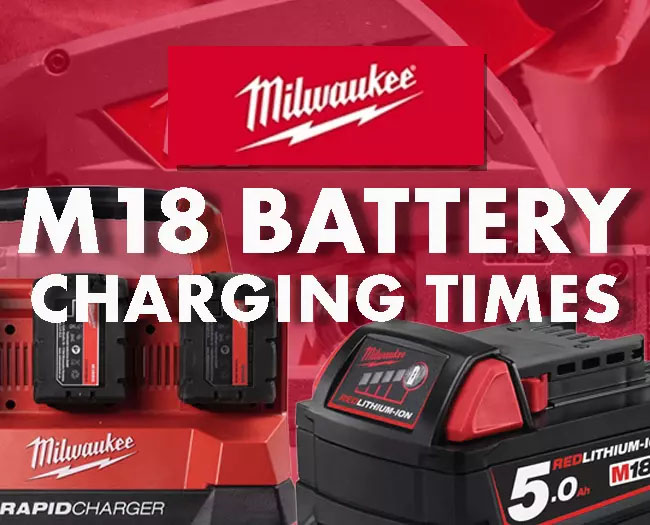
Milwaukee M18 Battery Charging Times Explained

Milwaukee M18 battery charging times

If you are trying to work out how long Milwaukee M18 batteries take to charge, or which charger setup makes sense for the tools you use every day, this guide breaks it down clearly.

It covers Milwaukee M18 battery charging times, fast and rapid charger options, and how battery size affects real world turnaround on drills, saws, grinders, and SDS tools.

Read the full Milwaukee M18 battery charging guide

What Are Milwaukee M18 Chargers Used For?

  • Keeping drills, impacts, saws and lights running on long shifts by cycling packs through a Milwaukee M18 fast charger instead of waiting for a slow top-up.
  • Running a tidy Milwaukee M18 battery charging station in the van or workshop so spare batteries are always ready for first fix, snagging, and call-outs.
  • Charging more than one pack without arguments on bigger jobs by using a Milwaukee M18 dual charger or multi charger for shared tools and multiple trades.
  • Managing batteries safely on busy sites with a Milwaukee M18 sequential charger that charges in order, so you are not swapping leads and guessing what is full.
  • Sorting a simple, reliable setup with a Milwaukee M18 single bay charger or compact charger for lads who only carry a couple of packs and want less clutter.

Choosing the Right Milwaukee M18 Charger

Sorting the right Milwaukee M18 charger is simple: match the charger speed and bays to how many batteries you actually get through in a shift.

1. Fast and Rapid Chargers vs Standard Chargers

If you are running high-draw tools like saws, grinders and SDS all day, go Milwaukee M18 fast charger or rapid charger so packs come back round quickly. If you only use a couple of batteries for drilling and fixings, a standard or compact charger is usually enough and takes up less space.

2. Single Bay vs Dual and Multi Chargers

If it is just your own kit, a Milwaukee M18 single bay charger keeps it simple and reliable. If you are sharing batteries across a gang or running multiple tools at once, a Milwaukee M18 dual charger or multi charger stops you queueing for charge slots at the end of the day.

3. Sequential Charging vs Charging Everything at Once

If you want a set-and-forget setup, a Milwaukee M18 sequential charger is ideal because it works through packs in order and you always know what is next up. If you need two packs ready together for twin tools, look at dual-bay options instead of relying on one slot.

4. Where You Charge: Site Cabin, Wall, Van, or Vehicle

If you mostly charge in the workshop or cabin, a Milwaukee M18 charger 240V wall charger setup is straightforward and stays put. If you live out the van, consider a vehicle charger option so you are not hunting sockets, and keep it secured so it does not get smashed about on the road.

Milwaukee M18 Charger FAQs

Will any Milwaukee M18 charger charge all M18 batteries?

Yes, Milwaukee M18 chargers are made to charge M18 packs across the range, so you are not stuck matching one charger to one battery. The main difference is charge speed and how many bays you get, not basic compatibility.

Is a Milwaukee M18 fast charger or rapid charger actually worth it?

If you are draining batteries on grinders, SDS, saws, or site lighting, yes, because it cuts downtime and stops you carrying silly numbers of packs. If you are only doing light drilling and fixings, a standard or compact charger is usually fine and keeps the setup simpler.

What is the point of a Milwaukee M18 sequential charger?

It is for managing multiple batteries without babysitting the charger. You load it up and it charges packs in order, which is ideal in a site cabin or van where people are constantly swapping batteries and nobody remembers which one is nearly full.

Can I run a Milwaukee M18 charger on UK 240V power?

Yes, the Milwaukee M18 charger UK options are designed for standard 240V mains supply, which is what you will be using in the workshop, site cabin, or client property. If you are charging off a generator, use a stable supply and do not run it off a rough, surging output.

Is it safe to leave M18 batteries on charge overnight in the van or cabin?

It is common practice, but be sensible about where you do it. Keep chargers on a stable surface with airflow, do not bury them under coats and offcuts, and avoid damp corners of site cabins where plugs and sockets are already struggling.

Who Are Milwaukee M18 Chargers For on Site?

  • Sparks and data lads who burn through batteries on SDS drilling, chasing, and fixings, and need a Milwaukee M18 cordless charger that turns packs around fast.
  • Chippies and kitchen fitters running saws, nailers and routers who keep a Milwaukee M18 spare charger in the van so a dead pack does not stop the cut list.
  • Groundworkers and steel fixers who want a tougher Milwaukee M18 jobsite charger setup for site cabins and welfare areas where kit gets knocked about.
  • Maintenance teams and facilities lads who need a straightforward Milwaukee M18 charger UK setup on 240V for quick call-outs and back-to-back jobs.

The Basics: Understanding the Milwaukee M18 Charging System

M18 chargers all do the same core job, but the difference is how quickly they turn packs around and how they manage multiple batteries. Here is what matters on site.

1. Charge Speed Is About Downtime

A Milwaukee M18 fast charger cuts the waiting between batteries, which is what you feel when you are drilling anchors or cutting all day. If your tools are sat while batteries crawl back up, you bought the wrong charger for the workload.

2. Bays and Order Control the Queue

A single bay charger is fine for one user with a couple of packs, but it creates a queue when a team is sharing. A Milwaukee M18 dual charger, multi charger, or sequential charger is basically traffic control for batteries so the next full pack is always obvious.

3. Power Source Needs to Match the Job

Most lads charge off 240V in the UK, but van and vehicle charging changes how you plan the day, especially on refurbs with limited sockets. Get the charger type that suits where you actually work, not where you wish you worked.

Milwaukee M18 Charging Accessories That Save Time

A couple of add-ons make charging cleaner, safer, and quicker to manage when the van and site cabin are chaos.

1. Spare M18 Batteries

A Milwaukee M18 spare charger helps, but spare batteries are what stop the job dead when you are mid-fix or up a ladder. Size your battery count so you can always have one in the tool, one cooling, and one on charge.

2. Vehicle Charging Leads and Mounting Options

If you charge on the move, the right vehicle charger setup and mounts stop chargers sliding around the van and smashing ports and plugs. It also keeps your charging station in one place so packs do not go missing between jobs.

3. Extension Leads and RCD Protection

On older refurbs and damp site cabins, a decent extension and RCD keeps charging safe and stops nuisance trips and melted plugs. It is a small spend compared to losing a charger or a battery to a dodgy socket.

Shop Milwaukee M18 Chargers at ITS

Whether you need a Milwaukee M18 compact charger for the tool bag, a 240V wall charger for the workshop, or a dual, multi, or sequential charger for a full battery charging station, we have the range ready to go. It is all stocked in our own warehouse for fast UK delivery, so you can order what you need and keep the M18 system moving on site.

Read more

Milwaukee M18 Chargers

Milwaukee M18 charger options keep your batteries turning over all day, from a compact single bay charger to a fast charger for busy site work.

When you're running M18 kit flat-out, the charger is what keeps you earning, not the tool. Pick a Milwaukee M18 battery charger that suits how you work, whether that's a Milwaukee M18 rapid charger for quick turnarounds, a dual or multi charger for the van, or a jobsite charger that'll handle rough use and 240V UK power without drama.

Milwaukee M18 Battery Charging Times Explained

Milwaukee M18 battery charging times

If you are trying to work out how long Milwaukee M18 batteries take to charge, or which charger setup makes sense for the tools you use every day, this guide breaks it down clearly.

It covers Milwaukee M18 battery charging times, fast and rapid charger options, and how battery size affects real world turnaround on drills, saws, grinders, and SDS tools.

Read the full Milwaukee M18 battery charging guide

What Are Milwaukee M18 Chargers Used For?

  • Keeping drills, impacts, saws and lights running on long shifts by cycling packs through a Milwaukee M18 fast charger instead of waiting for a slow top-up.
  • Running a tidy Milwaukee M18 battery charging station in the van or workshop so spare batteries are always ready for first fix, snagging, and call-outs.
  • Charging more than one pack without arguments on bigger jobs by using a Milwaukee M18 dual charger or multi charger for shared tools and multiple trades.
  • Managing batteries safely on busy sites with a Milwaukee M18 sequential charger that charges in order, so you are not swapping leads and guessing what is full.
  • Sorting a simple, reliable setup with a Milwaukee M18 single bay charger or compact charger for lads who only carry a couple of packs and want less clutter.

Choosing the Right Milwaukee M18 Charger

Sorting the right Milwaukee M18 charger is simple: match the charger speed and bays to how many batteries you actually get through in a shift.

1. Fast and Rapid Chargers vs Standard Chargers

If you are running high-draw tools like saws, grinders and SDS all day, go Milwaukee M18 fast charger or rapid charger so packs come back round quickly. If you only use a couple of batteries for drilling and fixings, a standard or compact charger is usually enough and takes up less space.

2. Single Bay vs Dual and Multi Chargers

If it is just your own kit, a Milwaukee M18 single bay charger keeps it simple and reliable. If you are sharing batteries across a gang or running multiple tools at once, a Milwaukee M18 dual charger or multi charger stops you queueing for charge slots at the end of the day.

3. Sequential Charging vs Charging Everything at Once

If you want a set-and-forget setup, a Milwaukee M18 sequential charger is ideal because it works through packs in order and you always know what is next up. If you need two packs ready together for twin tools, look at dual-bay options instead of relying on one slot.

4. Where You Charge: Site Cabin, Wall, Van, or Vehicle

If you mostly charge in the workshop or cabin, a Milwaukee M18 charger 240V wall charger setup is straightforward and stays put. If you live out the van, consider a vehicle charger option so you are not hunting sockets, and keep it secured so it does not get smashed about on the road.

Milwaukee M18 Charger FAQs

Will any Milwaukee M18 charger charge all M18 batteries?

Yes, Milwaukee M18 chargers are made to charge M18 packs across the range, so you are not stuck matching one charger to one battery. The main difference is charge speed and how many bays you get, not basic compatibility.

Is a Milwaukee M18 fast charger or rapid charger actually worth it?

If you are draining batteries on grinders, SDS, saws, or site lighting, yes, because it cuts downtime and stops you carrying silly numbers of packs. If you are only doing light drilling and fixings, a standard or compact charger is usually fine and keeps the setup simpler.

What is the point of a Milwaukee M18 sequential charger?

It is for managing multiple batteries without babysitting the charger. You load it up and it charges packs in order, which is ideal in a site cabin or van where people are constantly swapping batteries and nobody remembers which one is nearly full.

Can I run a Milwaukee M18 charger on UK 240V power?

Yes, the Milwaukee M18 charger UK options are designed for standard 240V mains supply, which is what you will be using in the workshop, site cabin, or client property. If you are charging off a generator, use a stable supply and do not run it off a rough, surging output.

Is it safe to leave M18 batteries on charge overnight in the van or cabin?

It is common practice, but be sensible about where you do it. Keep chargers on a stable surface with airflow, do not bury them under coats and offcuts, and avoid damp corners of site cabins where plugs and sockets are already struggling.

Who Are Milwaukee M18 Chargers For on Site?

  • Sparks and data lads who burn through batteries on SDS drilling, chasing, and fixings, and need a Milwaukee M18 cordless charger that turns packs around fast.
  • Chippies and kitchen fitters running saws, nailers and routers who keep a Milwaukee M18 spare charger in the van so a dead pack does not stop the cut list.
  • Groundworkers and steel fixers who want a tougher Milwaukee M18 jobsite charger setup for site cabins and welfare areas where kit gets knocked about.
  • Maintenance teams and facilities lads who need a straightforward Milwaukee M18 charger UK setup on 240V for quick call-outs and back-to-back jobs.

The Basics: Understanding the Milwaukee M18 Charging System

M18 chargers all do the same core job, but the difference is how quickly they turn packs around and how they manage multiple batteries. Here is what matters on site.

1. Charge Speed Is About Downtime

A Milwaukee M18 fast charger cuts the waiting between batteries, which is what you feel when you are drilling anchors or cutting all day. If your tools are sat while batteries crawl back up, you bought the wrong charger for the workload.

2. Bays and Order Control the Queue

A single bay charger is fine for one user with a couple of packs, but it creates a queue when a team is sharing. A Milwaukee M18 dual charger, multi charger, or sequential charger is basically traffic control for batteries so the next full pack is always obvious.

3. Power Source Needs to Match the Job

Most lads charge off 240V in the UK, but van and vehicle charging changes how you plan the day, especially on refurbs with limited sockets. Get the charger type that suits where you actually work, not where you wish you worked.

Milwaukee M18 Charging Accessories That Save Time

A couple of add-ons make charging cleaner, safer, and quicker to manage when the van and site cabin are chaos.

1. Spare M18 Batteries

A Milwaukee M18 spare charger helps, but spare batteries are what stop the job dead when you are mid-fix or up a ladder. Size your battery count so you can always have one in the tool, one cooling, and one on charge.

2. Vehicle Charging Leads and Mounting Options

If you charge on the move, the right vehicle charger setup and mounts stop chargers sliding around the van and smashing ports and plugs. It also keeps your charging station in one place so packs do not go missing between jobs.

3. Extension Leads and RCD Protection

On older refurbs and damp site cabins, a decent extension and RCD keeps charging safe and stops nuisance trips and melted plugs. It is a small spend compared to losing a charger or a battery to a dodgy socket.

Shop Milwaukee M18 Chargers at ITS

Whether you need a Milwaukee M18 compact charger for the tool bag, a 240V wall charger for the workshop, or a dual, multi, or sequential charger for a full battery charging station, we have the range ready to go. It is all stocked in our own warehouse for fast UK delivery, so you can order what you need and keep the M18 system moving on site.

ITS - All The Tools You Need Click and Collect Icon
What3Words:
Store Opening Hours
Opening times