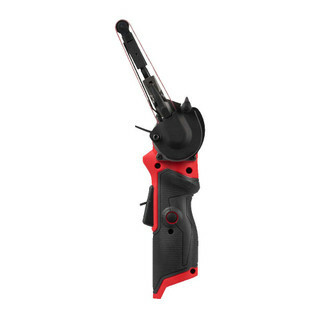
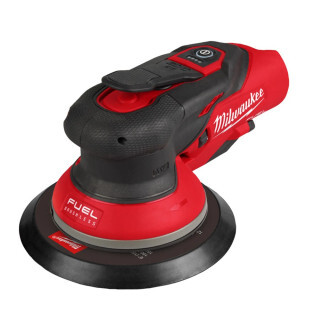
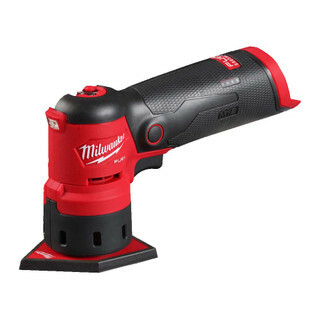
Milwaukee M12 Sanders
Milwaukee M12 sander kit is built for tight snagging, trim work and detail prep where full size sanders are just awkward or overkill.
If you're rubbing down filler, easing edges on fitted panels or cleaning up paint between coats, a Milwaukee m12 sander makes sense. The 12V format keeps it light in hand and easy to control, especially overhead or in cramped spots. For the wider range, see Milwaukee Sanders and get the right setup for the job.
What Are Milwaukee M12 Sanders Used For?
- Sanding back filler, primer and paint on doors, skirting and built in joinery is where a milwaukee m12 sander earns its keep, especially when you are moving room to room on snagging.
- Working in tight corners, on stair parts and around fitted furniture is easier with a milwaukee 12v sander because the smaller body is less clumsy than dragging out a bigger random orbit machine.
- Cleaning up timber edges, softening sharp arrises and prepping small sections before finishing suits an m12 sander when you need control more than outright stock removal.
- Sorting quick repair work in occupied houses, flats and maintenance jobs is simpler when you want cordless sanding without trailing leads through finished rooms.
Choosing the Right Milwaukee M12 Sander
Sort the right one by the finish work you actually do. Small prep and detail jobs suit M12. Bigger flat areas usually do not.
1. Detail Work vs Larger Panels
If you are mainly on trim, filler repairs, stair parts and fitted units, a Milwaukee M12 sander is the sensible pick. If you spend all day flattening doors, worktops or sheet material, step up to Milwaukee M18 Sanders instead.
2. Shape of the Sanding Pad
If the work is corners, edges and awkward profiles, go for the pad shape that actually reaches the area without hand finishing half the job afterwards. A round pad is better for open faces, while detail pads suit tighter joinery and touch in work.
3. Dust Control on Finished Jobs
If you are working in occupied homes or finished commercial spaces, do not ignore extraction. A dust bag is better than nothing, but if the model accepts extraction it is worth using to keep airborne dust and clean up down.
4. Runtime and Battery Size
If this is for short snagging runs, smaller M12 packs keep the tool light. If you are on repeated prep work through the day, carry larger packs or a spare because sanding drains batteries faster than people expect.
Who Uses These on Site?
- Chippies use a Milwaukee M12 sander for second fix, fitted furniture and trim touch ups where a full size machine is too bulky and hand sanding wastes time.
- Decorators reach for a milwaukee 12v sander when flattening filler, keying gloss and sorting local repairs before the final coat, especially on smaller domestic jobs.
- Kitchen fitters and shopfitters like them for sanding panel edges, scribes and face frames in tight spaces where control matters more than aggressive removal.
- Maintenance teams keep an m12 sander in the van for quick snagging and patch repairs because it is fast to grab, easy to carry and does not need a lead dragged through site.
The Basics: Understanding Milwaukee M12 Sanders
With sanders, the main thing is matching the movement and size of the tool to the finish you need. Here is the simple version.
1. Detail Sanders for Tight Spots
A detail style Milwaukee M12 sander is for corners, edges, narrow trim and repair work. It will get into places a bigger machine will not, which is why joiners and decorators keep one for snagging and fine prep.
2. Random Orbit Sanders for Cleaner Flat Finishes
Random orbit sanders move in a way that helps reduce obvious scratch patterns on open surfaces. If your work is more about panels, doors and broad faces, look at Milwaukee Random Orbit Sanders for that kind of finish.
3. M12 vs M18 on the Job
M12 is the lighter, easier carry option for quick prep and overhead or awkward work. M18 gives you longer runtime and better coverage on larger areas, which is why bigger prep jobs usually suit Milwaukee M18 Random Orbit Sanders or, for heavier removal, Milwaukee M18 Belt Sanders.
Milwaukee M12 Sander Accessories That Make the Job Easier
A few sensible extras stop wasted time on site and help you get a cleaner finish from your sander.
1. Sanding Pads and Sheets
Get the right grit range in the van from coarse for knocking back filler to finer grades for paint prep and finishing. Running the wrong grit either slows the job right down or leaves scratches you then have to sort by hand.
2. Spare Batteries
A spare M12 battery is common sense if the sander is part of your daily snagging kit. Do not get caught halfway through prep on a stairwell or fitted unit waiting for one pack to recharge.
3. Dust Bags or Extraction Adaptors
Use the proper dust collection setup where the tool allows it. It keeps the work area cleaner, stops pads clogging as quickly and saves you from covering finished rooms in fine dust.
Choose the Right Milwaukee M12 Sander for the Job
Match the sander type to the area you are prepping and the finish you need.
| Your Job | Category or Type | Key Features |
|---|---|---|
| Filler repairs, corners and trim touch ups | M12 detail sander | Compact body, pointed pad access, good control on small areas |
| Stair parts, narrow edges and fitted joinery | M12 compact sander | Light weight, easier one handed use, less awkward in tight spots |
| Paint prep in occupied rooms | M12 sander with dust collection | Cleaner working, less airborne dust, quicker tidy up |
| Doors, panels and larger flat surfaces all day | M18 random orbit sander | More runtime, broader coverage, better for repeated prep work |
Common Buying and Usage Mistakes
- Buying an M12 sander for full day sheet sanding is the usual mistake. It is meant for detail work and smaller prep jobs, so if you need to cover big flat areas quickly, move up to a larger platform.
- Using the wrong grit to save changing sheets just wastes time. Start too fine and it will barely cut, start too coarse and you create scratches that need more finishing later.
- Ignoring dust extraction on finished jobs makes a mess fast. Even a small cordless sander throws fine dust, so use the bag or adaptor where possible and save yourself the clean down.
- Running worn or clogged sanding sheets gives poor results and overheats the job. Swap them before they glaze over, because dead abrasives polish surfaces instead of cutting them.
- Choosing battery size without thinking about balance can make the tool clumsy. Smaller packs suit quick trim work, while bigger packs are better only when the extra runtime is worth the extra weight.
M12 Detail Sanders vs Random Orbit Sanders vs Belt Sanders
M12 Detail Sanders
Best for corners, edges, filler repairs and trim where access matters more than speed. Buy one if your day is mostly snagging, second fix and small area prep.
Random Orbit Sanders
Better on open faces like doors, panels and broad timber surfaces because they leave a cleaner finish with less obvious scratch pattern. They are the sensible step up when an M12 sander feels too small for the workload.
Belt Sanders
These are for faster stock removal, flattening and tougher shaping jobs, not fine detail prep. Great when you need material off quickly, but too aggressive for a lot of decorating or finishing work.
Maintenance and Care
Keep the Pad Face Clean
Brush dust off the hook and loop face after use so sheets still grip properly. Let it clog up and pads start slipping or wearing unevenly.
Empty Dust Collection Regularly
Do not wait until the bag is rammed full. Empty it often to keep airflow up and stop fine dust backing up into the tool or all over the work area.
Change Worn Abrasives Early
Dead sheets make the motor work harder and leave a poorer finish. If the abrasive is clogged, torn or not cutting cleanly, change it and get on with the job.
Store It Dry and Protected
Chuck it loose in the van and the pad gets battered by everything else in the box. Keep the sander dry, keep the pad clear of damage and store batteries out of damp and extreme heat.
Why Shop for Milwaukee M12 Sanders at ITS?
Whether you need a compact Milwaukee m12 sander for detail prep or you are comparing it against the wider Milwaukee sanding range, we stock the lot in one place. From M12 detail sanding kit through to larger cordless options, it is all in our own warehouse and ready for next day delivery to keep your job moving.
Milwaukee M12 Sander FAQs
How long does the Milwaukee M12 sander run per charge?
It depends on the battery size, grit and how hard you are leaning on it, but for normal snagging and prep work an M12 sander will comfortably handle short to medium bursts through the day. If you are sanding continuously, carry a spare pack because sanding drains batteries quicker than drilling fixings.
Is the Milwaukee M12 detail sander good for furniture?
Yes, for detail work, edges, corners and smaller sections it is a good fit. It gives you better control than a larger machine, which matters on furniture parts, but it is not the fastest option if you are flattening big tabletops or wide panels all day.
What sanding pads fit the Milwaukee M12 sander?
You need pads or sheets that match the exact base shape and fixing style of the model you are buying. Check the pad profile and hook and loop format before ordering, because detail sanders and other sanding types do not all share the same consumables.
Is the M12 sander dust extraction compatible?
Many models offer dust collection through a bag or extraction connection, but not every setup is the same. Check the exact tool spec if extraction matters on your jobs, especially if you are working in finished homes or need to connect into a site vac.
Is a Milwaukee M12 sander enough for full room prep?
For local repairs, trim and small sections, yes. For sanding large walls, multiple doors or broad timber panels all day, no, it will feel slow. That is the point where a bigger random orbit sander is usually the better buy.
Does the smaller 12V body actually help, or is it just less powerful?
It genuinely helps on real snagging work. The lower weight and smaller grip make it easier to control one handed, easier overhead and far less awkward in corners, though you do give up speed and runtime compared with bigger sanders.