Milwaukee Hammers & Mallets
A Milwaukee hammer needs to take missed blows, awkward angles, and daily belt carry without loosening up or wrecking your wrist by Friday.
Whether you are framing, fixing, knocking timber into line or doing general strip-out, Milwaukee hammers are built for proper site use. You have got options from a Milwaukee ball peen hammer for metalwork to a Milwaukee dead blow hammer for controlled strikes without bounce. If you are already looking through Milwaukee Demolition and Construction Tools, this is the part of the range that earns its keep every day. Pick the weight and face type to suit the job, then get the right one in the van.
What Are Milwaukee Hammers Used For?
- Driving nails on first fix and general timber work is where a Milwaukee hammer proves itself, especially when you need clean strikes all day without a handle that feels loose after a week.
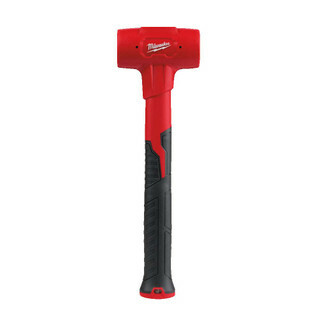
- Knocking framing, packers, studs and sheet material into line is easier with a Milwaukee dead blow hammer, because you get force into the job without the rebound that marks surfaces or jars your arm.
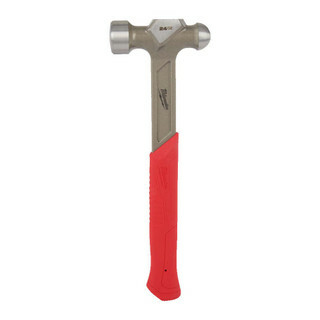
- Shifting seized parts, persuading brackets into place and striking punches or chisels suits a Milwaukee ball peen hammer, particularly on workshop, plant and metal fixing jobs.
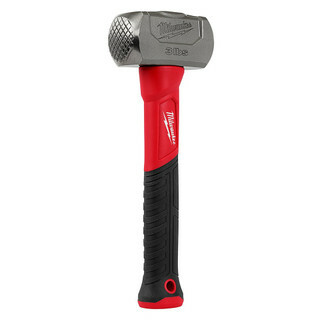
- Breaking out small sections, lifting boards and tackling snagging or strip-out work suits Milwaukee hammers that are built to put up with site knocks, belt carry and repeated use.
Choosing the Right Milwaukee Hammer
Match the hammer to the strike you need. Get this wrong and you either waste effort or end up marking the job.
1. Claw Hammer or Ball Peen
If you are mainly driving and pulling nails, go claw hammer. If you are striking punches, shaping metal or doing fitting work, a Milwaukee ball peen hammer is the better tool and gives you a face built for that kind of contact.
2. Dead Blow or Standard Steel Head
If you need to move parts into place without bounce or surface damage, buy a Milwaukee dead blow hammer. For straight nail driving and general site abuse, a standard steel head hammer is the one you want.
3. 16oz or 20oz
If you are on a belt all day and doing mixed snagging or lighter first fix, 16oz is easier to live with. If you are driving more nails into tougher timber and want a bit more hitting power per swing, step up to 20oz.
4. Handle Grip and Balance
Do not ignore the handle. If your hands are sweaty, gloved or dusty most of the day, you need a grip that stays planted and a hammer that feels balanced on the down swing, not head heavy and awkward.
Who Uses These on Site?
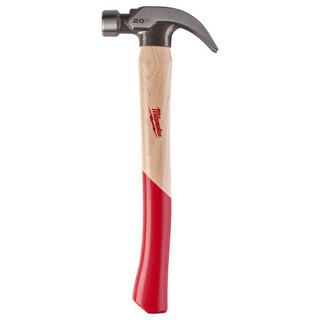
- Chippies use a Milwaukee hammer for first fix, stud walls, noggins and general timber work where balance matters and the claw needs to pull nails cleanly without chewing the handle.
- Steel fixers, mechanics and fitters reach for a Milwaukee ball peen hammer when they are striking punches, dressing metal or lining up fixings that need a more controlled hit.
- Groundworkers and demolition crews keep a Milwaukee dead blow hammer close by for shifting stubborn parts, bedding components and working around finished surfaces without wild rebound.
- Maintenance teams and site managers often carry one for the odd jobs that always crop up, from knocking frames square to freeing up stuck parts during repairs and snagging.
Milwaukee Hammer Add Ons That Make Sense
A hammer is simple kit, but a few extras stop wasted trips back to the van and make awkward jobs easier.
1. Nail Pullers and Pry Bars
When a claw will not get enough bite or you are stripping older timber, a proper puller or pry bar saves the handle on your hammer and gets stubborn fixings out without wrecking the surrounding material.
2. Striking Chisels and Punches
If you are using a Milwaukee ball peen hammer for metalwork or fitting jobs, keep the right punches and chisels with it. That stops you bodging alignment jobs with the wrong bit of steel and slipping off mid strike.
3. Tool Lanyards or Belt Holders
If the hammer lives on your person all day, a decent holder keeps it handy and stops you dropping it off steps, towers or scaffold every time you bend or climb.
Choose the Right Milwaukee Hammer for the Job
Use this quick guide to sort the right type before you buy.
| Your Job | Hammer Type | Key Features |
|---|---|---|
| First fix timber work and nail driving | Claw hammer | Good balance, solid claw, comfortable grip, weight that suits all day belt carry |
| Metal fitting, punches and workshop tasks | Milwaukee ball peen hammer | Rounded peen for shaping and striking, controlled face, suited to engineering style work |
| Shifting parts without bounce or marking | Milwaukee dead blow hammer | Reduced rebound, softer strike control, better for finished surfaces and stubborn components |
| Mixed snagging, van work and lighter daily use | 16oz hammer | Lighter carry weight, easier overhead use, less fatigue across the day |
| Heavier framing and repeated nail driving | 20oz hammer | More force per strike, better for tougher timber, fewer swings on repetitive jobs |
Common Buying and Usage Mistakes
- Buying on weight alone is a common mistake. A heavier hammer is not always better if it spends ten hours on your belt and leaves your arm done in by the end of the shift.
- Using a standard steel hammer where a dead blow is needed wastes time and risks marking the work. If you are bedding parts in or working near finished surfaces, use the Milwaukee dead blow hammer instead.
- Using a claw hammer for punch work or metal dressing is the wrong call. It is harder on the tool and harder on your accuracy, so swap to a Milwaukee ball peen hammer for that job.
- Ignoring grip and handle shape sounds minor until your hand starts slipping in dust or rain. Check the handle feels secure with gloves on, not just clean-handed at a screen.
- Treating one hammer as the answer to every job usually ends in frustration. Keep the right style for timber, dead blow work and metal striking instead of forcing one tool to do the lot.
Claw Hammer vs Dead Blow Hammer vs Ball Peen Hammer
Claw Hammer
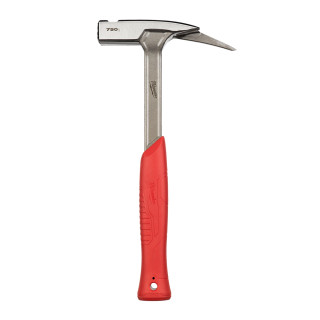
This is the everyday site option for driving and pulling nails, first fix timber and general snagging. It is the most useful all rounder, but it is not the right tool for controlled no bounce strikes or metal shaping.
Milwaukee Dead Blow Hammer
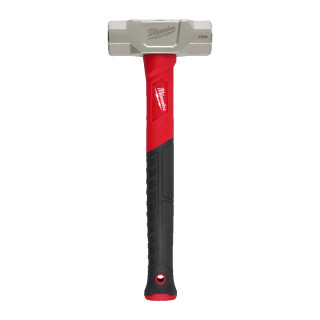
Best when you need force without rebound, especially for fitting parts, aligning components or working near finished surfaces. It is not meant for nail pulling, and it will not replace a proper framing hammer on timber jobs.
Milwaukee Ball Peen Hammer
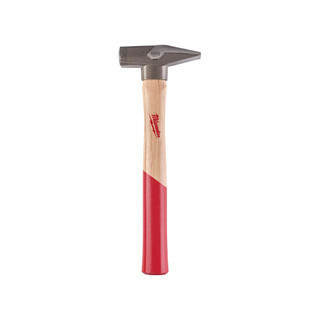
The right choice for metalwork, striking punches and workshop fitting jobs where a rounded peen earns its keep. It is more specialised than a claw hammer, so buy it when your work genuinely involves metal fixing or engineering tasks.
Maintenance and Care
Wipe Off Dust and Moisture
At the end of the day, wipe the head and handle down. Leaving plaster dust, mortar and rainwater sitting on any hand tool just shortens its life and makes the grip worse next shift.
Check the Face for Damage
If the striking face is chipped, burred or mushrooming, stop using it until it is sorted. Damaged faces can throw fragments or glance off the work when you least need it.
Look Over the Handle and Grip
A grip that is torn, polished smooth or starting to slip wants attention. If the handle feels loose or the grip has gone, replace the tool before it becomes a problem up steps or in awkward positions.
Store It Properly
Do not leave hammers rolling around loose in the back of a wet van. Keep them in a dry toolbox, organiser or rack so the face stays clean and the handle is not constantly getting battered by other kit.
Why Shop for Milwaukee Hammers at ITS?
Whether you need a Milwaukee hammer for everyday first fix, a Milwaukee dead blow hammer for controlled strikes, or a Milwaukee ball peen hammer for fitting and workshop jobs, we stock the range that matters. That means the key sizes, weights and hammer types are all in our own warehouse, ready for next day delivery. If you are also weighing up other site options, you can compare against Vaunt X Demolition and Construction Tools, Vaunt Demolition and Construction Tools and Stanley FatMax Demolition and Construction Tools in one place, all ready to go.
Milwaukee Hammer FAQs
Are Milwaukee hammers any good?
Yes. Milwaukee hammers are well suited to trade use because they are built for repeated site knocks, daily carry and proper striking work, not just occasional DIY jobs. The real point is choosing the right pattern for the work, whether that is a claw hammer, a Milwaukee dead blow hammer or a Milwaukee ball peen hammer.
What is Milwaukee's most expensive tool?
That changes across the range and it is not really the right way to judge a hammer. Big cordless kits, MX FUEL machines and specialist gear will cost far more than hand tools. With hammers, the better question is whether the type, weight and handle suit your daily work.
Is a 16oz or 20oz hammer better?
Neither is better across the board. A 16oz hammer is easier to carry and easier on the arm for mixed jobs and snagging. A 20oz hammer gives you more force on tougher timber and repetitive nail driving. If it lives on your belt all week, do not underestimate the value of lower weight.
What is a Milwaukee hammer used for?
That depends on the type. A claw hammer is for driving and pulling nails, a Milwaukee dead blow hammer is for controlled non marking strikes with less rebound, and a Milwaukee ball peen hammer is for metalwork, punches and fitting jobs.
Does a Milwaukee dead blow hammer actually reduce bounce back?
Yes, that is the whole point of it. When you are knocking parts into place, freeing seized components or working near finished surfaces, the reduced rebound gives you more control and less shock through the hand than a standard steel hammer.
Do I need a ball peen hammer if I already own a claw hammer?
If your work includes striking punches, dressing metal or fitting steel components, yes. A claw hammer will get you by badly, but a Milwaukee ball peen hammer is the proper tool for those jobs and gives you better control and less chance of damaging the work.
Are Milwaukee Dead Blow Hammers worth having as well as a standard hammer?
For plenty of trades, yes. They do a different job. A standard hammer handles nails and general bashing about, while Milwaukee Dead Blow Hammers come into their own when you need force without marking, bouncing or sending the strike back through your wrist.