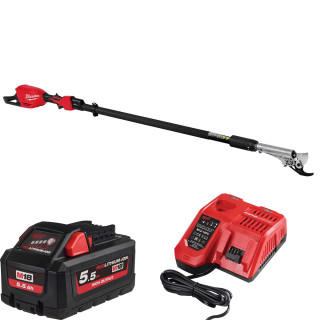
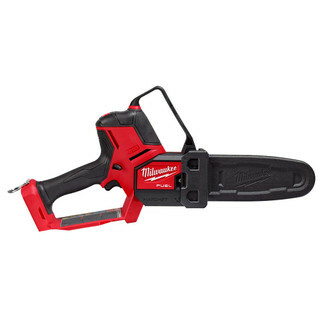
Milwaukee Fuel Pruners & Shears
Milwaukee FUEL pruners make quick, clean cuts when you're thinning hedges, shaping shrubs, or knocking back branches all day without wrecking your hands.
If you've ever spent a full day on hand secateurs and ended up with cramped fingers and ragged cuts, this is the upgrade. Milwaukee FUEL pruning shears bring brushless power and proper control for repeat pruning, so you get neat cuts, less strain, and faster tidy-ups. Pick the right capacity for the thickness you're cutting and you'll fly through maintenance work.
What Jobs Are Milwaukee FUEL Pruners Best At?
- Cutting back shrubs and hedging on maintenance rounds where you need consistent, clean cuts without stopping every five minutes to rest your grip.
- Pruning fruit trees and ornamental trees where a neat cut matters for plant health and you cannot afford to crush stems with blunt hand tools.
- Clearing brash and light branches during site and property clearance so you can process a pile quickly before loading and shifting waste.
- Working one-handed on ladders or in awkward beds where Milwaukee brushless secateurs give you controlled cutting without overreaching and twisting your wrist.
Choosing the Right Milwaukee FUEL Pruners
Sort the right pruner by matching cutting capacity and handling to the work you actually do, not the odd branch you hit once a month.
1. Cutting capacity and branch type
If you are mostly on green growth, shrubs, and regular maintenance, a smaller capacity feels quicker and more controllable. If you are often into thicker, woody stems, go up in capacity so you are not forcing cuts and chewing blades.
2. Battery platform and run time
If you already run Milwaukee batteries on site, stay on the same platform so you can swap packs and keep moving. If you are doing full-day pruning, plan on having spare batteries ready rather than trying to stretch one pack to the last cut.
3. Ergonomics for all-day use
If you are pruning for hours, prioritise a grip and balance that feels natural one-handed, because a powerful tool that is awkward to hold will slow you down by lunchtime.
Who Uses Milwaukee FUEL Pruners?
- Landscapers and grounds maintenance teams who are pruning day in, day out and want Milwaukee FUEL pruners that keep output high without hand fatigue.
- Arborists and tree surgeons for quick limb and shoot work on the ground, especially when you are doing repeated cuts and want consistent results.
- Property maintenance and facilities teams doing regular tidy-ups where Milwaukee FUEL pruning shears save time on every visit and keep the finish sharp for handover.
How Milwaukee FUEL Pruning Shears Work for You
They do the same job as hand secateurs, but the motor drives the cut so you get repeatable, clean results with far less strain. Here's what matters on site.
1. Brushless drive for repeat cuts
Milwaukee brushless secateurs use a brushless motor to keep cuts consistent when you are working through hundreds of stems, so you are not relying on hand strength to finish each cut cleanly.
2. Blade and anvil do the finish work
A sharp blade against the anvil gives you a crisp cut that helps reduce tearing on live growth, which is exactly what you want when you are pruning for a tidy finish and healthier plants.
3. Battery power means predictable output
With a charged pack you can plan your day, because the tool keeps the same cutting action until the battery drops, instead of your hands fading and cuts getting messier as the shift goes on.
Accessories That Keep Milwaukee FUEL Pruners Cutting Clean
A couple of sensible add-ons stop downtime and keep your cuts clean when you are mid-round and cannot afford to bodge it.
1. Spare blades
A spare blade saves the day when you hit hidden grit, wire, or a tough knot and the cut quality drops, because you can swap and carry on instead of tearing stems all afternoon.
2. Extra batteries
An extra battery stops you getting caught halfway through a hedge line with a dead tool, especially on bigger properties where walking back to the van costs more time than the spare pack.
3. Blade lubricant and cleaning kit
Keeping sap and grime off the blade stops sticky action and rough cuts, which is what usually makes pruners feel like they have lost power when they are simply clogged up.
Why Shop for Milwaukee FUEL Pruners at ITS?
Whether you need Milwaukee FUEL pruners for light maintenance work or higher-capacity kit for tougher pruning, you can pick through the full range in one place. We stock the Milwaukee FUEL pruning shears and the key options in our own warehouse, ready for next day delivery so you can get back on top of the work.
Milwaukee FUEL Pruners FAQs
Are Milwaukee FUEL pruners good for professional use?
Yes, they are built for repeat cutting and daily maintenance work, not the odd weekend tidy-up. The big difference on pro jobs is consistent cut quality and far less hand fatigue when you are doing hundreds of cuts in a shift.
How long do the batteries last in Milwaukee FUEL pruners?
It depends on battery size and what you are cutting, because thicker, woody stems take more out of the pack than light green growth. For full-day rounds, the honest answer is to run at least one spare battery so you are not pacing your work around charge levels.
Will Milwaukee FUEL pruning shears cut thick branches without chewing them up?
They will cut cleanly within their stated capacity, but do not try to bully them through oversized, dead-hard branches because that is when you get crushed fibres and blunt blades. If you are regularly into thicker material, step up the capacity or switch to a saw for those cuts.
Do I still need hand secateurs if I buy Milwaukee brushless secateurs?
Keep a basic pair in the pocket for the odd tight spot and quick snips, but for repetitive pruning the powered tool does the heavy lifting. Most lads end up using hand secateurs as a backup, not the main event.
What maintenance actually matters to keep the cut clean?
Wipe sap and debris off the blade regularly and use a light lubricant so the action stays smooth. If the cut starts tearing rather than slicing, stop and clean it, because forcing it just dulls the blade quicker and makes the tool feel worse than it is.