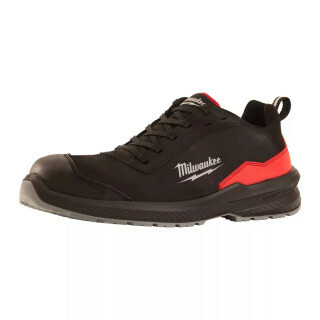
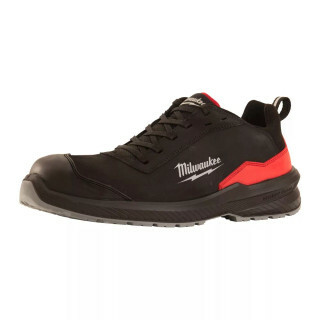
Milwaukee FLEXTRED Safety Boots & Trainers
Milwaukee FlexTred safety boots are built for long shifts, rough ground and wet jobs, giving you proper site protection without the usual clumpy feel.
If you're in and out of plots, up scaffold lifts, across slab, muck and snagging lists, Milwaukee FlexTred safety boots make sense. They give you S3S-rated protection, grip that holds on dusty or wet floors, and a lighter trainer-style feel than old-school work boots. If you want lower-cut footwear for quicker moving jobs, have a look at Milwaukee FLEXTRED Safety Trainers, or shop the full Milwaukee Safety Boots & Trainers range and get the pair that suits how you actually work.
What Jobs Are Milwaukee FlexTred Safety Boots Best At?
- Walking active new build sites all day, Milwaukee FlexTred safety boots give you the ankle support, toe protection and underfoot comfort needed when you are constantly moving between plots, stairs and uneven ground.
- Working first fix in shells and refurbs, these Milwaukee FlexTred trainers and boots suit sparkies, plumbers and HVAC fitters who need lighter-feeling footwear that still meets proper site safety requirements.
- Handling outdoor jobs in wet weather, Milwaukee FlexTred S3S safety boots help keep water and site muck out while the sole grip holds better on damp slab, scaffold boards and muddy access routes.
- Snagging, maintenance and service work suit Milwaukee FlexTred safety trainers well because they are easier to move in than heavier boots when you are in and out of vans, plant rooms and finished areas.
- Covering mixed site and workshop days, Milwaukee work boots are a solid choice when you need one pair that can deal with warehouse floors, yard runs and rough external ground without changing footwear halfway through the shift.
Choosing the Right Milwaukee FlexTred Safety Boots
Match the footwear to the ground, the weather and how much walking you actually do. Do not buy a taller boot if a safety trainer will cover the job, but do not turn up to wet groundwork in low shoes and expect a good day.
1. Boot or Trainer
If you are mostly indoors, on fit-out, snagging or service calls, Milwaukee FlexTred trainers are usually the better shout because they feel quicker and less bulky. If you are outside more, walking rough plots or want extra ankle support, go with Milwaukee FlexTred boots.
2. Check the Safety Rating
Milwaukee FlexTred S3S safety boots are the ones to look at for proper site use where you need toe protection, penetration resistance and water-resistant uppers. If the site rules are strict, always check the boot meets the standard before you land on site.
3. Think About Weight Over a Full Shift
A boot can feel fine for ten minutes in the yard and then feel like a lump by three in the afternoon. If you are covering miles each day, a Milwaukee composite toe boot is worth a look because it keeps protection up without the heavier feel of traditional steel cap footwear.
4. Buy for the Season, Not Just the First Day
If you are heading into winter site work, pick the pair with better coverage and weather resistance. For dry months or indoor-heavy work, lower Milwaukee FlexTred safety trainers and shoes are often enough and easier on your feet in the heat.
Who Uses These on Site?
- Sparkies go for Milwaukee FlexTred safety boots when they are walking plots all day, climbing steps and kneeling in unfinished rooms, because the lighter build saves your legs compared with old heavy leather boots.
- Plumbers and heating engineers use Milwaukee FlexTred trainers for service calls, plant room work and second fix, where you still need toe protection and grip but do not want bulky footwear in tight spaces.
- Joiners, kitchen fitters and snagging teams swear by Milwaukee FlexTred shoes and boots for cleaner indoor work because they move more like trainers but still stand up to site rules and loose debris underfoot.
- Site managers, supervisors and survey teams keep a pair for daily walk-rounds, handover checks and progress inspections, especially when the day means covering a lot of ground rather than standing at one bench.
- Anyone comparing ranges will usually look at Milwaukee FLEXTRED Safety Boots for more coverage or Milwaukee ARMOURTRED Safety Boots & Trainers if they need something stiffer and more hard-wearing for heavier ground and rougher site abuse.
Extras That Keep Your Safety Boots Working Properly
The right add-ons make a bigger difference than most lads admit, especially once the boots are doing full weeks on site.
1. Spare Laces
Keep a spare set in the van. Once a lace goes halfway through the day, you are either tying knots like a school kid or working in loose boots, which is asking for sore feet and turned ankles.
2. Replacement Insoles
Fresh insoles are worth it when the originals are packed flat from long shifts on concrete. They bring back some underfoot comfort and stop you binning a decent pair of boots before the uppers are done.
3. Boot Care Spray or Cleaner
Mud, plaster dust and site grime dry out uppers and shorten the life of the footwear. Clean them off and use the right care product so the material stays flexible and keeps doing its job in wet conditions.
Choose the Right Milwaukee FlexTred Safety Boots for the Job
Use this as a quick guide before you pick your pair.
| Your Job | Category or Type | Key Features |
|---|---|---|
| Daily new build walking and general site work | Milwaukee FlexTred safety boots | Higher cut support, composite toe protection, grip for mixed ground and longer wear over full shifts |
| Indoor fit-out, snagging and service calls | Milwaukee FlexTred trainers | Lighter feel, easier movement, safety protection for fast-paced jobs in cleaner areas |
| Wet plots, muddy access routes and rough external work | Milwaukee FlexTred S3S safety boots | Water-resistant upper, penetration resistance, slip-resistant sole and proper site-ready spec |
| Long shifts with lots of walking | Milwaukee composite toe boots | Reduced weight compared with traditional steel toe footwear, with less fatigue by the end of the day |
| Heavyer ground and tougher abuse | Stiffer safety boot range | More structure, tougher build and stronger support where trainer-style footwear may feel too light |
Common Buying and Usage Mistakes
- Buying low-cut safety trainers for wet external work is a common one. They are fine for quicker indoor jobs, but if you are on muddy plots all week you will wish you bought the boot version with more coverage.
- Not checking the safety rating before ordering causes grief fast. Make sure the Milwaukee FlexTred boots meet the site requirement, especially if the job calls for S3S protection rather than just a basic safety shoe.
- Assuming all safety footwear fits the same is how you end up with sore heels and dead toes. Wear them properly indoors first and make sure the toe box, heel hold and width work for a full shift, not just a quick try-on.
- Leaving boots caked in wet mud shortens their life. Letting dirt dry into the upper and sole just wrecks the material and kills grip, so clean them off at the end of the day instead of chucking them straight in the van.
- Running worn soles for too long is false economy. Once the tread is flattened, slip resistance drops off and you are hanging onto a boot that is no longer doing the job safely.
Safety Boots vs Safety Trainers vs Heavier Work Boots
Milwaukee FlexTred Safety Boots
These sit in the middle nicely. You get proper site protection, ankle support and better weather coverage than trainers, without the full bulk of a traditional heavy work boot. They suit mixed site work where you are walking, climbing and working inside and out.
Milwaukee FlexTred Trainers
Best for lighter, faster-moving jobs and cleaner environments. They are easier on the legs and quicker underfoot, but they are not the best call for deep mud, heavy groundwork or days where you want more ankle support and coverage.
Traditional Heavier Work Boots
If your days are rougher, wetter and harder on footwear, a stiffer work boot still has its place. You usually get more structure and toughness, but you pay for it in extra weight and less comfort when the shift involves constant walking.
Maintenance and Care
Clean Off Site Dirt
Brush off mud, dust and plaster at the end of the day. Leaving muck packed into the tread knocks grip down and wears the footwear out faster than most people realise.
Dry Them Properly
If the boots get soaked, let them dry naturally somewhere warm and ventilated. Do not cook them against a heater in the drying room or the upper can stiffen, crack and lose shape.
Check the Sole Wear
Keep an eye on heel wear and flattened tread. Once the sole is worn smooth, the slip resistance is not what it was, especially on dusty tiles, wet floors and scaffold boards.
Swap Insoles When Needed
If the boot still looks sound but the comfort has dropped away, replace the insole first. It is a cheap fix that often gets a decent bit more life out of the pair.
Replace Once Protection Is Compromised
If the upper splits badly, the sole starts separating or the toe area takes a hard knock and deforms, stop nursing them along. Safety footwear only earns its keep if the protection is still intact.
Why Shop for Milwaukee FlexTred Safety Boots at ITS?
Whether you need Milwaukee FlexTred safety boots for full site shifts or lighter Milwaukee FlexTred trainers for fit-out and snagging, we stock the proper range in one place. That includes different fits, cuts and site-ready options, plus alternatives like Vaunt Safety Boots & Trainers if you want to compare. It is all in our own warehouse, in stock and ready for next day delivery.
Milwaukee FlexTred Safety Boots FAQs
Are Milwaukee FlexTred safety boots comfortable?
Yes, that is one of the main reasons lads buy them. They are built to feel less clumpy than old-school work boots, so if you are walking plots, climbing stairs and covering ground all day, they are far easier on your feet and legs than a heavier boot.
What safety standard do Milwaukee FlexTred boots meet?
Milwaukee FlexTred boots in this range are built around proper site safety requirements, with models including Milwaukee FlexTred S3S safety boots. Always check the individual product spec before you buy, especially if the site manager wants a specific standard listed on the label.
Do Milwaukee FlexTred trainers have steel toe caps?
Not necessarily. A lot of buyers specifically want Milwaukee composite toe boots and trainers because they cut weight down compared with steel. Check the product details on the exact pair, but do not assume every safety trainer uses steel.
Are Milwaukee FlexTred boots slip resistant?
Yes, they are made for real site footing, not just clean warehouse floors. On wet slab, dusty internals and muddy access routes they give solid grip, but like any boot, once the tread is worn flat or packed with muck, you lose a lot of that benefit.
Are Milwaukee FlexTred safety boots waterproof?
Think water-resistant rather than wellington-level waterproof. They will handle wet ground, rain and normal site muck well enough, but if you are standing in deep water or slurry all day, you need more than a standard safety boot.
Should I buy Milwaukee FlexTred boots or trainers?
If your week is mostly indoor fit-out, service calls and snagging, the trainers are usually enough and feel quicker on the foot. If you spend more time outside on rougher ground or want better ankle support, buy the boots and save yourself the regret.