



Milwaukee FLEXTRED Milwaukee FLEXTRED

Milwaukee FLEXTRED

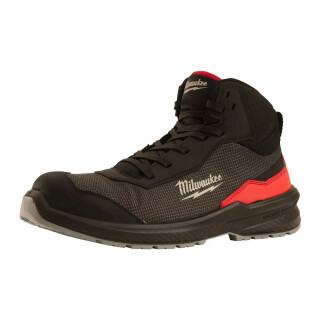
Milwaukee FlexTred boots are built for long site days, giving you S3S-rated foot protection, grip, and all-day comfort for indoor and outdoor graft.

If you're up and down ladders, crossing wet slabs, or spending all day on concrete, decent footwear matters more than most lads admit. Milwaukee FlexTred footwear is made for trades who need safety boots and trainers that don't feel clumsy by dinner time, with proper underfoot support, site-ready protection, and the sort of fit that works from first fix through to snagging. If you want Milwaukee kit underfoot that can handle daily abuse without weighing you down, this is the range to look at.

What Are Milwaukee FlexTred Boots Used For?

  • Working long shifts on concrete floors, scaffold decks, and hardstanding where poor footwear soon starts hurting your heels, knees, and back.
  • Moving between indoor fit-out and outdoor site work where you need S3S protection, reliable grip, and footwear that does not feel like a lump on your feet.
  • Handling first fix, second fix, and maintenance jobs where you are constantly kneeling, climbing, walking, and carrying kit through mixed site conditions.
  • Keeping protected in workshops, warehouses, refurbs, and new builds where dropped fixings, underfoot debris, and slick surfaces are part of the day.
  • Covering van to site to handover runs when you want safety boots or trainers that still feel comfortable after ten hours on the move.

Choosing the Right Milwaukee FlexTred Footwear

Sort the right pair by where you work most, not just by what looks better in the van.

1. Boots or Trainers

If you want more ankle support and a bit more coverage for rougher ground, go for Milwaukee FLEXTRED Safety Boots. If you are mainly indoors, walking fit-out jobs, or want something lighter on the foot, Milwaukee FLEXTRED Safety Trainers usually make more sense.

2. Wet Site or Dry Site

If you are regularly outside in wet ground, standing water, or poor weather, check the waterproofing and upper build properly before you buy. For mainly dry internal work, breathability and weight can matter more than full weather sealing.

3. All Day Walking Comfort

If you are covering big sites or spending ten hours on concrete, look closely at midsole support, sole flex, and overall weight. A boot that feels fine for half an hour can feel brutal by mid-afternoon if the support is wrong.

4. Safety Rating First

Do not just assume every pair covers the same risks. If your site or employer needs S3S, anti-slip, or penetration resistance, match the spec to the job before you worry about style or shape.

Who Uses These on Site?

  • Sparkies wear Milwaukee FlexTred boots and trainers for long days walking plots, climbing steps, and working across unfinished floors where grip and lighter weight matter.
  • Plumbers and heating engineers rate this sort of footwear when they are in and out of plant rooms, refurbs, and new builds and need toe protection without stiff, awkward boots slowing them down.
  • Chippies and fitters use Milwaukee FlexTred safety boots for first fix and second fix because they are on their feet all day, carrying gear, kneeling to work, and moving room to room.
  • Facilities and maintenance teams keep a pair for daily callouts, as the mix of comfort, protection, and site-ready sole grip suits anything from service corridors to wet external areas.

The Basics: Understanding Milwaukee FlexTred Footwear

With safety footwear, the important bit is not the name on the side. It is what protection level you are actually getting and how that works on a real site day. Here is the simple version.

1. Safety Rating

The rating tells you what the footwear is built to handle on site. With Milwaukee FlexTred S3S safety boots, you are looking at protection suited to jobs with underfoot hazards, toe impact risks, and wet or mixed working conditions.

2. Boots vs Trainers

Safety boots give you more coverage and support around the ankle, which helps on rougher ground and more demanding outdoor work. Safety trainers keep things lighter and more flexible, which suits indoor fit-out, maintenance, and lads constantly on the move.

3. Comfort Over a Full Shift

A decent sole unit and footbed matter just as much as the toe cap. The right pair reduces fatigue through the shift, especially if you are walking concrete floors, stairs, and long corridors all day rather than standing in one spot.

Extras That Keep Your Milwaukee FlexTred Footwear Working

A couple of simple add-ons make site footwear last longer and feel better over a full week.

1. Spare Insoles

If you are wearing the same pair day in, day out, spare insoles are worth having. They help freshen the fit, give tired cushioning a lift, and stop you pushing on with flattened support that leaves your feet done in by Thursday.

2. Replacement Laces

Laces are always the bit that gives up first when they are dragged through mud, dust, and sharp site debris. Keep a spare set in the van so a snapped lace does not leave you bodging a fix before the day has even started.

3. Water Repellent or Footwear Cleaner

Regular cleaning and reproofing stops muck, plaster, and wet site grime from drying into the upper and shortening the life of the boot. It is a quick job that saves you from wrecking decent footwear early.

Choose the Right Milwaukee FlexTred for the Job

Use this quick guide to sort the right style for your working day.

Your Job Footwear Type Key Features
Indoor fit-out and maintenance work Safety trainers Lighter feel, easier flex, solid grip, less fatigue over long walks indoors
General site work in mixed conditions S3S safety boots Toe protection, underfoot protection, grip, and weather-ready coverage
Outdoor new build and rough ground work Higher cut safety boots Better ankle support, tougher coverage, more confidence on uneven ground
Van-based service and callout work Lightweight safety footwear Comfort for driving and walking, fast on and off, still site compliant

Common Buying and Usage Mistakes

  • Buying purely on looks instead of safety rating is the usual mistake. Check the site requirement first, because the wrong spec can leave you turned away or underprotected.
  • Picking trainers for rough external work when you really need boots soon catches people out. You save a bit of weight, then lose support and coverage once the ground turns wet and uneven.
  • Getting the fit wrong and hoping they will sort themselves out is a bad move. Safety footwear that pinches or slips will rub, tire your feet out, and make long shifts harder than they need to be.
  • Leaving site mud, plaster, and water to dry on the footwear shortens its life fast. Clean them off and dry them properly or the upper and sole will look finished far too early.
  • Assuming waterproof means all-day standing in deep water is asking too much of most site footwear. Match the waterproofing level to the conditions you actually work in.

Safety Boots vs Safety Trainers vs Higher Cut Boots

Safety Trainers

These are the better pick for indoor trades, maintenance, and fit-out work where you are walking miles but not dealing with the worst ground conditions. They are lighter and easier to wear all day, but they give you less ankle support and less coverage in wet muck.

Standard Safety Boots

This is the usual all-rounder for mixed site work. You get proper protection, better coverage, and more support without going too bulky, which suits most trades moving between indoor and outdoor jobs.

Higher Cut Boots

If you are on rough ground, in groundwork areas, or climbing in and out of uneven terrain all day, the extra support is worth it. They are less nimble than trainers, but they make more sense where the site is hard going.

Maintenance and Care

Clean Off Site Grime Early

Brush off mud, dust, and plaster after work instead of leaving it to bake on. It keeps the upper in better nick and stops the sole tread clogging up.

Dry Them Properly

If they get soaked, let them dry naturally somewhere aired out. Do not ram them against direct heat in the drying room, or you can shorten the life of the materials.

Check Soles and Toe Areas

Keep an eye on worn tread, split sole edges, and heavy scuffing at the toe. Once grip starts going or the structure is damaged, it is time to replace them rather than push your luck.

Swap Tired Insoles and Laces

A fresh insole or lace can give a decent pair more life. If the upper and sole are still sound, small replacements are cheaper than binning the lot too early.

Why Shop for Milwaukee FlexTred at ITS?

Whether you need lightweight Milwaukee flextred trainers for indoor work or tougher Milwaukee flextred safety boots for mixed site conditions, we stock the proper range in one place. You can shop Milwaukee FLEXTRED Safety Boots & Trainers, compare against Milwaukee Safety Boots & Trainers, drill down into Milwaukee FLEXTRED Safety Trainers, check Milwaukee FLEXTRED Safety Boots, or look at Milwaukee ARMOURTRED Safety Boots & Trainers if you need a tougher alternative. It is all in our own warehouse, in stock, and ready for next day delivery.

Milwaukee FlexTred FAQs

What is the Milwaukee FlexTred range?

The Milwaukee FlexTred range is Milwaukee safety footwear built for trades who want proper site protection without the clumsy feel of old-school work boots. It covers Milwaukee FlexTred boots, shoes, trainers, and S3S safety boots designed for long shifts, mixed site conditions, and everyday wear on active jobs.

Are Milwaukee FlexTred boots waterproof?

Some Milwaukee FlexTred boots are built with waterproof protection, but do not assume every pair in the range is the same. Check the individual product spec before you buy. For wet ground, rainy site work, and external jobs, that detail matters more than the name on the box.

What is the difference between Milwaukee FlexTred and Volterra safety boots?

FlexTred footwear is aimed at trades wanting a lighter, more flexible feel for active site days, especially where you are walking a lot. Volterra safety boots are generally the more rugged choice when the job is rougher, wetter, or harder underfoot and you want more traditional boot support and protection.

Are Milwaukee FlexTred boots S3 rated?

Yes, selected Milwaukee FlexTred boots are S3 rated, including Milwaukee FlexTred S3S safety boots. That means they are built for tougher site conditions with the protection level many trades need for daily work. Always check the exact product listing so you know the pair you choose matches site rules.

Are Milwaukee FlexTred trainers good enough for full site work?

Yes, if the safety rating matches the work and site rules. They are a solid choice for fit-out, maintenance, and general indoor jobs where lighter footwear makes a real difference. For harsher external work or rough ground, most lads still prefer a boot.

Do Milwaukee FlexTred boots come up true to size?

Most trades will find they fit true to size, but safety footwear always depends on sock choice, foot shape, and how much room you like in the toe. If you are between sizes and wear thick work socks, it is worth checking the fit notes on the product page before ordering.

Read more

Milwaukee FLEXTRED

Milwaukee FlexTred boots are built for long site days, giving you S3S-rated foot protection, grip, and all-day comfort for indoor and outdoor graft.

If you're up and down ladders, crossing wet slabs, or spending all day on concrete, decent footwear matters more than most lads admit. Milwaukee FlexTred footwear is made for trades who need safety boots and trainers that don't feel clumsy by dinner time, with proper underfoot support, site-ready protection, and the sort of fit that works from first fix through to snagging. If you want Milwaukee kit underfoot that can handle daily abuse without weighing you down, this is the range to look at.

What Are Milwaukee FlexTred Boots Used For?

  • Working long shifts on concrete floors, scaffold decks, and hardstanding where poor footwear soon starts hurting your heels, knees, and back.
  • Moving between indoor fit-out and outdoor site work where you need S3S protection, reliable grip, and footwear that does not feel like a lump on your feet.
  • Handling first fix, second fix, and maintenance jobs where you are constantly kneeling, climbing, walking, and carrying kit through mixed site conditions.
  • Keeping protected in workshops, warehouses, refurbs, and new builds where dropped fixings, underfoot debris, and slick surfaces are part of the day.
  • Covering van to site to handover runs when you want safety boots or trainers that still feel comfortable after ten hours on the move.

Choosing the Right Milwaukee FlexTred Footwear

Sort the right pair by where you work most, not just by what looks better in the van.

1. Boots or Trainers

If you want more ankle support and a bit more coverage for rougher ground, go for Milwaukee FLEXTRED Safety Boots. If you are mainly indoors, walking fit-out jobs, or want something lighter on the foot, Milwaukee FLEXTRED Safety Trainers usually make more sense.

2. Wet Site or Dry Site

If you are regularly outside in wet ground, standing water, or poor weather, check the waterproofing and upper build properly before you buy. For mainly dry internal work, breathability and weight can matter more than full weather sealing.

3. All Day Walking Comfort

If you are covering big sites or spending ten hours on concrete, look closely at midsole support, sole flex, and overall weight. A boot that feels fine for half an hour can feel brutal by mid-afternoon if the support is wrong.

4. Safety Rating First

Do not just assume every pair covers the same risks. If your site or employer needs S3S, anti-slip, or penetration resistance, match the spec to the job before you worry about style or shape.

Who Uses These on Site?

  • Sparkies wear Milwaukee FlexTred boots and trainers for long days walking plots, climbing steps, and working across unfinished floors where grip and lighter weight matter.
  • Plumbers and heating engineers rate this sort of footwear when they are in and out of plant rooms, refurbs, and new builds and need toe protection without stiff, awkward boots slowing them down.
  • Chippies and fitters use Milwaukee FlexTred safety boots for first fix and second fix because they are on their feet all day, carrying gear, kneeling to work, and moving room to room.
  • Facilities and maintenance teams keep a pair for daily callouts, as the mix of comfort, protection, and site-ready sole grip suits anything from service corridors to wet external areas.

The Basics: Understanding Milwaukee FlexTred Footwear

With safety footwear, the important bit is not the name on the side. It is what protection level you are actually getting and how that works on a real site day. Here is the simple version.

1. Safety Rating

The rating tells you what the footwear is built to handle on site. With Milwaukee FlexTred S3S safety boots, you are looking at protection suited to jobs with underfoot hazards, toe impact risks, and wet or mixed working conditions.

2. Boots vs Trainers

Safety boots give you more coverage and support around the ankle, which helps on rougher ground and more demanding outdoor work. Safety trainers keep things lighter and more flexible, which suits indoor fit-out, maintenance, and lads constantly on the move.

3. Comfort Over a Full Shift

A decent sole unit and footbed matter just as much as the toe cap. The right pair reduces fatigue through the shift, especially if you are walking concrete floors, stairs, and long corridors all day rather than standing in one spot.

Extras That Keep Your Milwaukee FlexTred Footwear Working

A couple of simple add-ons make site footwear last longer and feel better over a full week.

1. Spare Insoles

If you are wearing the same pair day in, day out, spare insoles are worth having. They help freshen the fit, give tired cushioning a lift, and stop you pushing on with flattened support that leaves your feet done in by Thursday.

2. Replacement Laces

Laces are always the bit that gives up first when they are dragged through mud, dust, and sharp site debris. Keep a spare set in the van so a snapped lace does not leave you bodging a fix before the day has even started.

3. Water Repellent or Footwear Cleaner

Regular cleaning and reproofing stops muck, plaster, and wet site grime from drying into the upper and shortening the life of the boot. It is a quick job that saves you from wrecking decent footwear early.

Choose the Right Milwaukee FlexTred for the Job

Use this quick guide to sort the right style for your working day.

Your Job Footwear Type Key Features
Indoor fit-out and maintenance work Safety trainers Lighter feel, easier flex, solid grip, less fatigue over long walks indoors
General site work in mixed conditions S3S safety boots Toe protection, underfoot protection, grip, and weather-ready coverage
Outdoor new build and rough ground work Higher cut safety boots Better ankle support, tougher coverage, more confidence on uneven ground
Van-based service and callout work Lightweight safety footwear Comfort for driving and walking, fast on and off, still site compliant

Common Buying and Usage Mistakes

  • Buying purely on looks instead of safety rating is the usual mistake. Check the site requirement first, because the wrong spec can leave you turned away or underprotected.
  • Picking trainers for rough external work when you really need boots soon catches people out. You save a bit of weight, then lose support and coverage once the ground turns wet and uneven.
  • Getting the fit wrong and hoping they will sort themselves out is a bad move. Safety footwear that pinches or slips will rub, tire your feet out, and make long shifts harder than they need to be.
  • Leaving site mud, plaster, and water to dry on the footwear shortens its life fast. Clean them off and dry them properly or the upper and sole will look finished far too early.
  • Assuming waterproof means all-day standing in deep water is asking too much of most site footwear. Match the waterproofing level to the conditions you actually work in.

Safety Boots vs Safety Trainers vs Higher Cut Boots

Safety Trainers

These are the better pick for indoor trades, maintenance, and fit-out work where you are walking miles but not dealing with the worst ground conditions. They are lighter and easier to wear all day, but they give you less ankle support and less coverage in wet muck.

Standard Safety Boots

This is the usual all-rounder for mixed site work. You get proper protection, better coverage, and more support without going too bulky, which suits most trades moving between indoor and outdoor jobs.

Higher Cut Boots

If you are on rough ground, in groundwork areas, or climbing in and out of uneven terrain all day, the extra support is worth it. They are less nimble than trainers, but they make more sense where the site is hard going.

Maintenance and Care

Clean Off Site Grime Early

Brush off mud, dust, and plaster after work instead of leaving it to bake on. It keeps the upper in better nick and stops the sole tread clogging up.

Dry Them Properly

If they get soaked, let them dry naturally somewhere aired out. Do not ram them against direct heat in the drying room, or you can shorten the life of the materials.

Check Soles and Toe Areas

Keep an eye on worn tread, split sole edges, and heavy scuffing at the toe. Once grip starts going or the structure is damaged, it is time to replace them rather than push your luck.

Swap Tired Insoles and Laces

A fresh insole or lace can give a decent pair more life. If the upper and sole are still sound, small replacements are cheaper than binning the lot too early.

Why Shop for Milwaukee FlexTred at ITS?

Whether you need lightweight Milwaukee flextred trainers for indoor work or tougher Milwaukee flextred safety boots for mixed site conditions, we stock the proper range in one place. You can shop Milwaukee FLEXTRED Safety Boots & Trainers, compare against Milwaukee Safety Boots & Trainers, drill down into Milwaukee FLEXTRED Safety Trainers, check Milwaukee FLEXTRED Safety Boots, or look at Milwaukee ARMOURTRED Safety Boots & Trainers if you need a tougher alternative. It is all in our own warehouse, in stock, and ready for next day delivery.

Milwaukee FlexTred FAQs

What is the Milwaukee FlexTred range?

The Milwaukee FlexTred range is Milwaukee safety footwear built for trades who want proper site protection without the clumsy feel of old-school work boots. It covers Milwaukee FlexTred boots, shoes, trainers, and S3S safety boots designed for long shifts, mixed site conditions, and everyday wear on active jobs.

Are Milwaukee FlexTred boots waterproof?

Some Milwaukee FlexTred boots are built with waterproof protection, but do not assume every pair in the range is the same. Check the individual product spec before you buy. For wet ground, rainy site work, and external jobs, that detail matters more than the name on the box.

What is the difference between Milwaukee FlexTred and Volterra safety boots?

FlexTred footwear is aimed at trades wanting a lighter, more flexible feel for active site days, especially where you are walking a lot. Volterra safety boots are generally the more rugged choice when the job is rougher, wetter, or harder underfoot and you want more traditional boot support and protection.

Are Milwaukee FlexTred boots S3 rated?

Yes, selected Milwaukee FlexTred boots are S3 rated, including Milwaukee FlexTred S3S safety boots. That means they are built for tougher site conditions with the protection level many trades need for daily work. Always check the exact product listing so you know the pair you choose matches site rules.

Are Milwaukee FlexTred trainers good enough for full site work?

Yes, if the safety rating matches the work and site rules. They are a solid choice for fit-out, maintenance, and general indoor jobs where lighter footwear makes a real difference. For harsher external work or rough ground, most lads still prefer a boot.

Do Milwaukee FlexTred boots come up true to size?

Most trades will find they fit true to size, but safety footwear always depends on sock choice, foot shape, and how much room you like in the toe. If you are between sizes and wear thick work socks, it is worth checking the fit notes on the product page before ordering.

ITS Click and Collect Icon
What3Words:
Get Directions
Store Opening Hours
Opening times