Milwaukee BOLT
Milwaukee hard hat kit is built for site work where knocks, weather and add-ons matter, giving you proper head protection that works with the rest of your gear.
If you're on scaffold, first fix, steel, roofing or fit-out, a Milwaukee BOLT hard hat makes more sense than a basic lid that does nothing else. These Milwaukee safety helmet options are made for real site use, with secure fit, vented and non-vented choices, and BOLT compatibility for visors, hearing protection and lights that stay put. If you already run Milwaukee BOLT PPE, this is the place to get your lid sorted properly.
What Are Milwaukee Hard Hats Used For?
- Working at height on scaffold, roofing and steel jobs where a secure Milwaukee hard hat helps keep protection in place when you are constantly moving, bending and climbing.
- Running first fix and M and E installs where a Milwaukee BOLT hard hat lets sparkies and fitters add face protection, hearing defenders and task lighting without bodging attachments together.
- Handling outdoor groundworks, civils and general site work where a Milwaukee helmet gives proper head protection in rain, wind and cold without slipping about halfway through the shift.
- Carrying out plant checks, handover walks and snagging in darker areas where a Milwaukee bolt helmet can be paired with Milwaukee BOLT Torches & Lighting for hands-free visibility.
Choosing the Right Milwaukee Hard Hat
Match the lid to the site rules and the way you actually work, not just the badge on the front.
1. Vented or Non Vented
If you are outside all day in heat, a vented Milwaukee hard hat is easier to live with. If you are working where electrical risk or site rules call for a sealed shell, go non vented and do not try to fudge it.
2. BOLT Compatibility
If you need eye protection, hearing protection or a light on the same lid, buy a Milwaukee BOLT hard hat from the off. It saves messing about with add-ons that wobble, fall off or never quite fit right.
3. Full Brim or Standard Peak
If you are mostly out in weather, a full brim gives better run-off and a bit more coverage. For tighter indoor work, plant rooms and regular up and down access, a standard peak is usually less bulky.
4. Chin Strap and Adjustment
If you are climbing, leaning out or constantly looking up, make sure the adjustment is easy to dial in and the chin strap setup suits the job. A hard hat that shifts about gets old very quickly and ends up not being worn properly.
Who Uses These on Site?
- Sparkies use a Milwaukee safety helmet on first fix, containment and plant room work because they can add lights and eye protection without the whole lot feeling loose by lunchtime.
- Roofers and cladders rate a Milwaukee hard hat for outside work where wind, awkward access and long hours mean the fit needs to stay right and the shell needs to put up with knocks.
- Groundworkers, scaffolders and steel erectors reach for a Milwaukee bolt hard hat when they need dependable head protection that works with the rest of their site kit instead of fighting it.
- Site managers, supervisors and maintenance teams keep one for inspections, snagging and call-outs, especially where quick add-ons like lights or visors save carrying extra bits round site.
The Basics: Understanding Milwaukee Hard Hats
The main thing with a Milwaukee helmet is not just the shell. It is how the suspension, fit and accessory system work together on site.
1. The Shell Takes the Knock
The outer shell is there to deal with impact and site abuse from bumps, scrapes and falling debris. That is what protects your head, so once it is badly damaged or aged out, it is done.
2. The Suspension Does the Real Comfort Work
The internal harness and adjustment system are what keep the Milwaukee hard hat sitting right all shift. If that fit is poor, the helmet rocks about, digs in or gets pushed back every time you look up.
3. BOLT Means One Helmet Does More
Milwaukee BOLT lets you mount the right extras straight onto the helmet for the job in front of you. That matters on site because a proper fitted visor, defenders or light is safer and less hassle than separate bits fighting for space.
Milwaukee Hard Hat Accessories That Make Site Life Easier
The right add-ons turn a basic lid into something you can actually work in all day.
1. Visors and Eye Protection
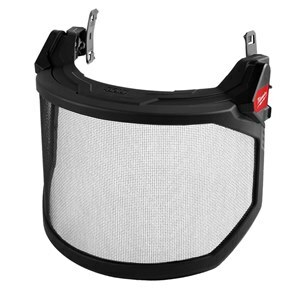
Get the proper BOLT compatible face or eye protection if you are cutting, grinding or drilling overhead. It saves juggling separate specs and shields that never sit right once the rest of your PPE is on.
2. Hearing Protection
Clip-on defenders are worth having for breakers, grinders and loud plant areas. You will be glad of them when you are moving between noisy and quieter zones and do not want more loose kit in your pockets.
3. Helmet Lighting
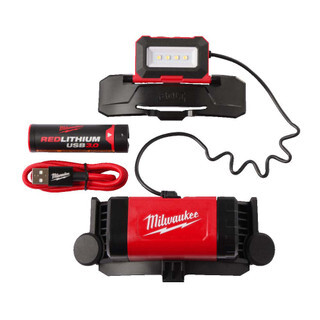
A helmet light is a no brainer for lofts, risers, service voids and winter site starts. If you already use Milwaukee Site Lighting & Torches, it makes sense to keep that setup consistent.
4. Replacement Sweatbands and Parts
Do not keep wearing a lid with tired pads and worn fit parts just because the shell still looks alright. Fresh consumable parts make a big difference to comfort, hygiene and keeping the fit snug.
Choose the Right Milwaukee Hard Hat for the Job
Use this quick guide to sort the right lid for the work in front of you.
| Your Job | Category or Type | Key Features |
|---|---|---|
| General building, fit-out and day to day site work | Standard Milwaukee hard hat | Reliable shell, comfortable harness, straightforward protection for regular site use |
| Hot outdoor work and long summer shifts | Vented Milwaukee helmet | Better airflow, less heat build-up, easier to wear for long periods |
| Electrical environments or sites needing sealed shells | Non vented Milwaukee safety helmet | Closed shell design, compliant choice where vents are not suitable |
| Roofing, scaffold and exposed weather work | Full brim Milwaukee bolt helmet | Extra coverage, better rain run-off, good for long hours outside |
| First fix, plant rooms and low light working areas | Milwaukee BOLT hard hat | BOLT mounting points for lighting, visors and hearing protection |
Common Buying and Usage Mistakes
- Buying on price alone and ignoring the fit usually ends with a helmet that gets pushed back, loosened off or left in the van. Get the adjustment and harness right first or it will not be worn properly.
- Choosing a vented shell for jobs or sites that need non vented protection can land you with the wrong lid before work even starts. Check the site rules and risk before ordering.
- Adding random clip-on accessories instead of using the Milwaukee BOLT system often causes poor fit and bits falling off. If you need lights, defenders or visors, buy the compatible setup from the start.
- Keeping an old helmet in service after knocks, UV exposure or obvious wear is false economy. Even if it looks passable, damaged shells and tired suspension parts need replacing.
- Forgetting replacement parts is a common one, especially with sweatbands and internal fit pieces. The shell might still be serviceable, but the comfort and hold go off badly once the internals are worn out.
Vented vs Non Vented vs Full Brim
Vented Milwaukee Hard Hat
Best for warm weather, long outdoor shifts and trades who are constantly on the move. You get better airflow, but it is not the one for every site or every electrical risk environment.
Non Vented Milwaukee Hard Hat
This is the safer bet where site rules are tighter or the working environment rules vents out. It runs warmer than a vented shell, but it is the right call when compliance matters more than comfort.
Full Brim Milwaukee Helmet
A good choice for roofers, groundworkers and anyone exposed to weather for most of the day. It gives you more coverage and better rain run-off, though it can feel bulkier indoors or in tighter access spots.
BOLT Setup vs Plain Helmet
If your day involves hearing protection, visor work or task lighting, the BOLT setup is worth it. If you just need a straightforward site lid with no extras, a plain setup may be all you need.
Maintenance and Care
Clean It Properly
Wipe the shell down after dusty or muddy jobs and keep the sweatband clean. Built-up grime hides cracks, stinks the van out and makes the helmet less pleasant to wear.
Store It Out of Sun and Heat
Do not leave your Milwaukee hard hat baking on the dashboard for weeks. Excess heat and UV are hard on helmet materials and can shorten service life.
Inspect After Knocks
If it has taken a proper hit, check the shell, brim, clips and harness carefully before the next shift. Deep marks, cracking or distorted fit parts mean it is time to retire it.
Replace Worn Internal Parts
Do not ignore stretched harness parts or flattened sweatbands. These are what keep the helmet stable and comfortable, so change them before the lid becomes a nuisance to wear.
Keep Your Setup Consistent
If you run helmet lights with other cordless gear, keeping to one battery platform makes life easier. Teams already on Milwaukee M12 or Milwaukee M18 usually stick with Milwaukee for that reason.
Why Shop for Milwaukee Hard Hat Range at ITS?
Whether you need a straightforward Milwaukee safety helmet, a full Milwaukee BOLT hard hat setup, or replacement parts to keep your current lid serviceable, we stock the proper range. It is all in our own warehouse, ready for next day delivery, so you can get the right helmet on site without hanging about.
Milwaukee Hard Hat FAQs
Are Milwaukee hard hats OSHA approved?
Milwaukee hard hats are built to recognised safety standards, but OSHA is a US compliance framework, not a product badge you just tick off in isolation. For UK buyers, the key thing is checking the exact helmet rating and whether it matches your site rules, trade risk and any need for vented or non vented protection.
Where can I buy Milwaukee hard hat parts?
You want genuine Milwaukee hard hat parts from a proper stockist, especially for fit components and BOLT accessories. That matters because random third party bits can give you a poor fit, unreliable attachment and a helmet setup that is more hassle than help.
How long do Milwaukee hard hats last?
It depends on the model, usage and storage, so always follow the date markings and Milwaukee guidance on the helmet itself. In real site terms, if the shell has taken a proper knock, sat in harsh sun for ages or the harness is worn out, do not try and squeeze extra life out of it.
Is a Milwaukee BOLT hard hat worth it over a standard helmet?
Yes, if you regularly need a visor, defenders or a light on the same lid. If your work is basic site access only, a standard helmet may do the job, but for first fix, roofing, plant areas and darker work zones, the BOLT setup is far less of a faff.
Do Milwaukee hard hats work well in bad weather?
Yes, provided you pick the right shell and get the fit properly adjusted. For exposed jobs, a full brim or well fitted standard Milwaukee helmet is far better than a loose hard hat that shifts every time the wind gets up.
Can I use a Milwaukee hard hat with site lighting?
Yes, that is one of the main reasons lads buy into the BOLT system. If you are often in lofts, risers, plant rooms or early starts, a helmet light is a practical upgrade that keeps both hands free and stops you balancing a torch under your arm.