Makita Screws
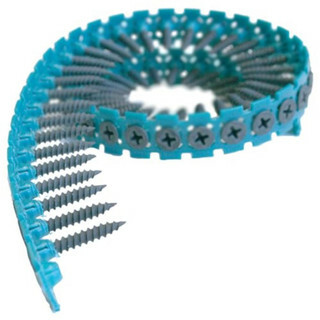
Makita screws are built for autofeed screwguns, letting you fix plasterboard and sheet material faster with less faff on repetitive jobs.
If you're boarding ceilings, lining stud, or running through room after room on drylining, proper makita collated screws save time and stop the gun jamming with poor strips. These makita screwgun screws are made to feed cleanly, drive consistently, and keep first fix moving. If you're already on Makita Tools, this is the right place to stock up properly.
What Are Makita Screws Used For?
- Fixing plasterboard to timber or metal stud with a Makita autofeed gun is where makita collated screws earn their keep, especially when you're boarding full plots or commercial runs.
- Boarding ceilings overhead is quicker with makita screw strips because you are not stopping every few seconds to load singles while balancing the gun and sheet.
- Running through drylining and partition work on refurb jobs is easier with makita screwgun screws that feed cleanly and keep depth setting more consistent across the wall.
- Fastening sheet materials in repetitive first fix work suits makita screws for screwgun use because the strips cut down handling time and keep the pace up on labour-heavy jobs.
- Keeping the van stocked with the right screws alongside Makita Fixings & Fasteners saves you getting caught short halfway through a boarding day.
Choosing the Right Makita Screws
Match the screw to the board, the framing, and the gun. That matters more than just grabbing whatever strip is cheapest.
1. Length First
If you are fixing standard plasterboard, choose a length that gives proper bite without punching too deep or wasting drive time. Shorter screws suit thinner board and metal stud. Longer screws are the call when you need to get through thicker board or well into timber.
2. Drywall or Outdoor Job
If the job is internal drylining, makita drywall screws are the right tool for the task. Do not use them outside and expect them to last. For external timber work or decking, you need a screw with the right coating and thread for weather exposure.
3. Collated Strips for Repetitive Work
If you are doing one small repair, loose screws will do. If you are boarding full rooms, ceilings, or plot after plot, makita collated screws are the obvious choice because they keep the autofeed gun running and cut the stop start nonsense right down.
4. Check Screwgun Compatibility
Not every collated screw suits every attachment, so check the screw type and supported lengths against your Makita autofeed setup. It is a quick check that saves feed issues, misdrives, and wasted strips.
Who Uses These on Site?
- Dryliners use makita drywall screws every day for fixing board to stud, because on big wall and ceiling runs the autofeed setup is far quicker than loading loose screws one by one.
- Chippies reach for makita collated screws when lining timber stud or fixing sheet material, especially on first fix where speed matters and you still need a tidy, repeatable drive.
- General builders and refurb teams keep makita screw strips in the van for patching rooms, loft conversions, and partition work where a screwgun saves your wrist over a full day.
- Site crews often carry backup hand tools like Makita Phillips Screwdrivers or Makita Screwdriver Sets for awkward corners, punch-list bits, or anywhere the autofeed gun will not fit.
The Basics: Understanding Makita Collated Screws
These are not just ordinary screws in a fancy pack. The strip and screw pattern are designed to feed through an autofeed screwgun so you can keep driving at pace without constantly reloading.
1. Collated Means Strip Fed
Makita screw strips hold the screws in a linked run that feeds through the gun nose as you work. On site that means faster boarding, less fumble time, and fewer dropped screws when you are up steps or working overhead.
2. The Gun Sets the Depth
Used properly, the screwgun drives each screw to a more consistent depth than doing it by hand. That matters on plasterboard because you want the head set cleanly without tearing the paper face to bits.
3. Screw Type Still Matters
Even with an autofeed setup, you still need the right screw for the material. Drywall screws are for board and stud. Outdoor timber jobs need a different screw altogether if you want the fixing to last.
Useful Extras for Makita Screwgun Work
A few sensible extras keep the gun feeding properly and stop little hold-ups turning into a slow day.
1. Spare Collated Screw Strips
This is the obvious one, but it matters. If you underestimate how many strips a ceiling or partition run will eat, you are either off back to the merchant or trying to finish the day with loose screws and half the speed.
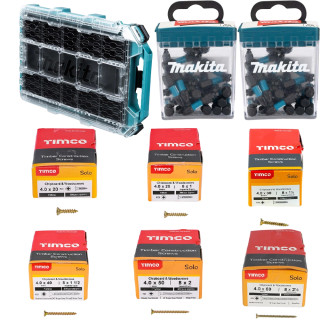
2. PH2 Driver Bits
A worn bit is one of the quickest ways to start camming out heads and ruining the pace. Keep fresh PH2 bits in the case so the gun keeps biting cleanly instead of chewing screw heads.
3. Screwgun Nose and Autofeed Attachments
If you are swapping between collated and loose fixing work, having the right Makita nose or autofeed attachment saves stripping the setup back and bodging through the wrong job with the wrong front end.
4. Staples for Other Fixing Jobs
If you are already sorting fixings for site, it makes sense to stock Makita Staples as well for membrane, insulation sheet, and other quick-fix jobs that do not need screws at all.
Choose the Right Makita Screws for the Job
Sort the screw by material, location, and how much fixing you have to get through.
| Your Job | Category or Type | Key Features |
|---|---|---|
| Boarding standard stud walls | Makita drywall screws | Fine or suitable thread for studwork, collated format, clean countersink for plasterboard face. |
| Fixing ceilings overhead | Makita collated screws | Strip-fed loading, fast repetitive driving, less downtime reloading on steps or stilts. |
| Timber stud and sheet fixing | Makita screwgun screws | Proper length for bite into timber, reliable strip feed, consistent drive depth through the gun. |
| Big drylining runs on plots or commercial work | Makita autofeed screws | High volume fixing, reduced hand fatigue, quicker progress across walls and ceilings. |
| Outdoor timber or decking | Exterior rated screws not standard drywall screws | Corrosion resistance, suitable thread and coating, built for weather instead of internal board work. |
Common Buying and Usage Mistakes
- Buying drywall screws for outside work is a common mistake. They are meant for internal boarding, so use an exterior rated screw for decking or treated timber if you do not want rust and failed fixings later.
- Guessing the screw length instead of matching it to the board and frame leads to poor hold or overdriving. Check the material build-up first so the screw bites properly without tearing the board face.
- Assuming every collated strip feeds every screwgun wastes time fast. Check compatibility with your Makita autofeed setup before ordering, especially on length range and strip format.
- Running worn driver bits for too long chews heads and causes cam-out. Swap bits early and the gun will drive cleaner with less grief.
- Trying to finish a large boarding job with loose screws once the strips run out kills productivity. Work out your coverage properly and keep spare makita screw strips in the van.
Collated Screws vs Loose Screws vs Decking Screws
Makita Collated Screws
These are the right call for repetitive fixing with an autofeed gun. They are quicker on walls and ceilings, keep the pace up, and reduce the stop start you get with loose screws.
Loose Screws
Fine for repairs, awkward corners, and little snagging bits where the autofeed gun will not fit. They are slower for full boarding work, but useful when access is tight or the job is too small to warrant strips.
Drywall Screws
Built for plasterboard and studwork, with the right head and drive for sinking neatly without wrecking the paper face. Use them inside for boarding jobs, not as a stand-in for timber or outdoor fixings.
Decking Screws
These are for outdoor timber, not drylining. They are designed around weather resistance and timber fixing performance, so buy these when the job is external and leave drywall screws for internal board work.
Maintenance and Care
Keep Strips Dry
Store makita collated screws somewhere dry in the van or stores. Damp strips can soften packaging, affect feed, and start corrosion long before the screws ever hit the board.
Protect the Feed Mechanism
Dust and broken strip bits build up around the autofeed nose fast on busy jobs. Brush the gun attachment out at the end of the day so the next strip feeds properly instead of snagging.
Change Worn Bits Early
If the bit starts slipping, replace it before it ruins a box of screws. Fresh bits protect the screw head, keep depth more consistent, and save a lot of swearing on overhead work.
Do Not Mix Damaged Strips Back In
Bent or partly broken screw strips are false economy. They are more likely to jam the gun and slow the whole job down, so bin the damaged ones and load clean strips only.
Use the Right Screw for the Environment
The best care tip is buying correctly in the first place. Internal drywall screws stored well will last fine in the box, but they are not meant to sit outside in wet timber or exposed deck work.
Why Shop for Makita Screws at ITS?
Whether you need makita drywall screws for patch work or makita collated screws for full boarding runs, we stock the proper range in the lengths and formats site users actually buy. It is all held in our own warehouse, in stock and ready for next day delivery, so you can get the right fixings on site without hanging about.
Makita Screws FAQs
Are Makita collated screws compatible with the Makita autofeed screwgun?
Yes, if you are buying genuine Makita collated screws within the supported size range for your autofeed attachment. That is the key bit. Check the screw length and strip format against your Makita gun or attachment, because getting that wrong is what causes feed issues and wasted strips.
What lengths do Makita collated screws come in?
Makita collated screws are available in a range of lengths to suit common plasterboard and sheet fixing jobs. The exact options vary by application, but you will usually choose based on board thickness and whether you are fixing into timber or metal stud. Always match the length to the job, not just what is cheapest.
What's the difference between drywall and decking screws?
Drywall screws are designed for fixing plasterboard to stud and sinking cleanly without wrecking the board face. Decking screws are built for timber and outdoor exposure, usually with coatings and thread patterns suited to weather and movement. In short, drywall screws are for internal boarding, decking screws are for outside timber work.
How many screws come in a Makita collated strip?
That depends on the specific pack and strip format, so check the product listing before ordering. What matters on site is buying enough total screws for the square meterage you are fixing, rather than just counting strips. If you are doing ceilings or full room runs, always allow extra so you do not run short late in the day.
Are Makita screws suitable for outdoor use?
Some are, some are not. Standard makita drywall screws are for internal use and should not be treated as outdoor fixings. If the job is exposed to weather, moisture, or treated timber, use a screw specifically rated for outdoor use with the right corrosion resistance.
Will makita screwgun screws jam if the strips get knocked about in the van?
They can do, yes. If the strips get bent, cracked, or crushed, feed problems are much more likely. Keep them boxed, dry, and not rattling around under other gear. A tidy pack feeds better and saves you fighting the gun on site.
Are collated screws actually worth it for small jobs?
For one patch or a tiny repair, probably not. Loose screws are often simpler. But once you are boarding rooms, ceilings, or repetitive stud runs, collated screws pay you back in speed, less hand fatigue, and fewer interruptions.