Makita Fixings & Fasteners
Makita fixings cover the nails, screws and staples that keep first fix, boarding and timber jobs moving without jams, split heads or wasted time on site.
If you're loading nailers all day or running collated screws into board after board, the consumable matters as much as the tool. Makita fixings are made for clean feed, consistent drive depth and less faff when you're pushing through studwork, roofing, flooring or sheet material. You'll find Makita Screws, Makita Staples and other Makita nails and screws here, so match the fixing to the gun and get the right boxes on the van.
What Are Makita Fixings Used For?
- Fixing plasterboard, cement board and timber sheet quickly with collated screws where hand driving would slow the whole second fix right down.
- Running first fix nailers through stud partitions, roofing battens, shuttering and general timber framing where you need reliable feed and proper holding power.
- Stapling membranes, insulation layers, breather felt and lighter timber fixings where the right Makita staples stop misfires and save time redoing work.
- Loading out site carpentry and joinery jobs with Makita fasteners that are matched to the tool, so you spend less time clearing jams and more time getting lines finished.
- Tackling repeat fixing work on refurbs and new build plots where consistent collation and the right coating make a real difference over a long day.
Choosing the Right Makita Fixings
Sorting the right Makita fixings is simple: match the fixing to the tool and the material first, not whatever box happens to be cheapest.
1. Nailer Type Comes First
If your gun takes straight strip nails, buy straight strip nails. If it takes brads, finish nails or staples, stick to that exact format. Do not guess from the photo alone, because the wrong collation angle or gauge is the fastest route to feed problems and wasted stock.
2. Match the Fixing to the Material
If you're fixing plasterboard or cement board in volume, collated screws make sense. If you're framing, battening or doing rough timber work, nails are the better shout. For lighter retention jobs like membranes or insulation, staples are usually the cleaner option.
3. Check Length and Coating Properly
If the fixing is too short, it will not hold. Too long, and you risk blow-through or fouling what sits behind. For outside work or damp conditions, look closely at galvanised or corrosion-resistant options rather than assuming every Makita fixing accessory is suitable outdoors.
4. Think About Volume, Not Just the Box
If you're doing one room, a smaller pack may do. If you're boarding plots or framing all week, buy enough to stay working. Running out halfway through a ceiling is amateur stuff, and mixing odd leftover fixings from different systems causes no end of grief.
Who Uses These Makita Fixings?
- Chippies use Makita fixings for stud walls, roofing, flooring and sheeting because a nailer is only as reliable as the strip or coil you load into it.
- Dryliners and interior fit-out teams swear by collated screws for long runs of board, especially when they are chasing output room after room.
- Roofers and timber frame gangs reach for Makita fasteners when they need repeat fixing in awkward positions without stopping every few minutes to sort feed issues.
- General builders and maintenance teams keep Makita nails and screws on the van for patch jobs, refits and snagging where the right fixing saves dragging out more kit than needed.
The Basics: Understanding Makita Fixings
With Makita fixings, the key thing is not just size but how the fastener is presented to the tool. Get that right and feeding stays smooth, depth stays consistent and the job moves properly.
1. Collated Fixings
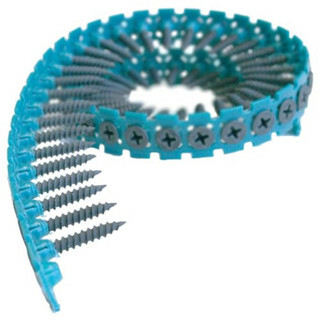
Collated nails and screws come joined in strips, coils or belts so the tool can feed the next fixing automatically. That is what speeds up boarding, framing and repetitive fixing work compared with loading loose pieces by hand.
2. Gauge and Head Type
Different nailers are built around different gauges and heads. A finish nailer wants a finer fixing for neat trim work, while a first fix nailer uses heavier nails for holding structural timber and battens where proper grip matters more than a tidy pinhole.
3. Screw Systems for Board Work
Collated screws are there for high-volume screwdriving into plasterboard and similar sheet material. If you only need a few screws, loose screws and a hand driver still have their place, which is where Makita Screwdriver Sets earn their keep.
Useful Extras for Makita Fixings and Fasteners
A few sensible extras stop hold-ups when you are swapping between machine fixing and hand finishing.
1. Screwdrivers for Loose Screws
Not every fixing job justifies a collated setup. Keeping Makita Phillips Screwdrivers on hand saves you wrestling awkward loose screws into corners, back boxes and snagging jobs where the power tool is more hassle than help.
2. Pozi Drivers for Common Site Fixings
A lot of general fixings on site are still Pozi, and using the wrong tip rounds heads fast. Makita PoziDriv Screwdrivers are worth keeping nearby for adjustment work, fittings and any screw that needs a bit more feel.
Choose the Right Makita Fixings for the Job
Use this quick guide to match the fixing type to the work in front of you.
| Your Job | Category or Type | Key Features |
|---|---|---|
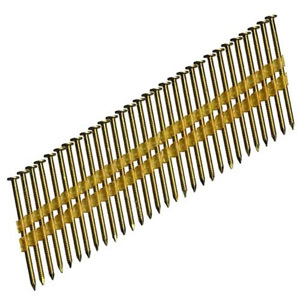
| Stud walls, timber framing and first fix carpentry | First fix nail gun nails | Heavier gauge nails, strong hold in timber, made for fast repeat firing. |
| Skirting, trims, architraves and finer joinery work | Finish nails or brads | Smaller head and neater finish, better where appearance matters. |
| Plasterboard and sheet material in volume | Collated screws | Automatic feed, quicker repeat driving, consistent spacing and depth. |
| Membranes, insulation and lighter retention jobs | Staples | Fast loading, broad hold, useful where a nail would be overkill. |
| Odd fixes, snagging and one-off screw jobs | Loose screws | More flexible for mixed tasks, easier when access is tight or quantities are low. |
Common Buying and Usage Mistakes
- Buying by length alone and ignoring gauge, collation or tool compatibility is a classic mistake. The result is poor feed, jams and fixings that simply do not suit the gun.
- Using indoor fixings outside or in damp conditions catches plenty of people out. If the coating is wrong, rust starts early and the job can look tired or fail sooner than it should.
- Mixing leftover nails or screws from other systems to save a few quid usually costs more in downtime. Stick with the fixing type the tool is built around and you will have fewer stoppages.
- Choosing loose screws for large boarding work slows everything down and tires you out for no reason. If you are fixing sheet after sheet, collated screws are the sensible route.
- Forcing damaged strips, bent nails or damp fixings into a nailer is asking for feed trouble. Keep stock dry, check the strips before loading and bin anything that is clearly past it.
Collated Screws vs Loose Screws vs Nail Gun Nails
Collated Screws
Best for repetitive board fixing where speed matters and you want the next screw ready to feed. They are less flexible for mixed snagging work, but on ceilings and long wall runs they save serious time.
Loose Screws
Better for one-off jobs, awkward corners and fittings where you need more control. They are slower for production work, but they make more sense when you are only putting a handful in.
Nail Gun Nails
The right choice for first fix timber jobs where holding sections quickly is the priority. They are faster than screws for framing and battening, but they are not the fix for every sheet material application.
Maintenance and Care
Keep Fixings Dry
Store Makita fixings in a dry box or sealed pack once opened. Damp strips and screws corrode, swell packaging and feed poorly through nailers and autofeed attachments.
Check Collated Strips Before Loading
If strips are cracked, bent or falling apart, do not shove them in the gun and hope for the best. A quick check saves jam clearing and damage to the feed path.
Use the Right Driver Bit
Wrong bits chew screw heads and waste fixings fast. Keep fresh bits handy and swap them before they start camming out and making a mess of the board face.
Do Not Hang On to Damaged Stock
Once nails are bent or screw strips are badly damaged, replace them. Trying to use battered stock to save money usually costs more in stoppages and spoiled work.
Keep Hand Tools Nearby for Final Tweaks
Machine-driven fixings get most of the work done, but finish adjustments still happen by hand. A decent set of drivers stops you mangling screw heads when you only need a slight nip up.
Why Shop for Makita Fixings at ITS?
Whether you need Makita nail gun nails, staples, collated screws or everyday fixing accessories, we stock the proper range for the job. That means the types, sizes and packs trades actually use, all in our own warehouse and ready for next day delivery when the site schedule will not wait.
Makita Fixings FAQs
What fixings does Makita make for its nail guns?
Makita makes a range of nail gun consumables including first fix nails, finish nails, brads and staples, depending on the tool. You will also find Makita collated screws and other Makita fixing accessories for high-volume screwdriving jobs. The main thing is matching the fixing format, gauge and length to the gun you actually own.
Are Makita nails compatible with other brands' nailers?
Sometimes, but do not assume they will be. Nailer compatibility comes down to nail type, gauge, collation angle, head style and the feed system in the gun. If all of that matches, they may run fine. If it does not, expect jams, misfires or poor drive depth. Check your nailer spec before buying.
What's the difference between collated and loose screws?
Collated screws are joined together in strips for use in autofeed screw guns, so the next screw feeds automatically and you work faster on repeated fixing. Loose screws are individual screws for standard drivers and are better for mixed jobs, awkward positions or smaller amounts of work.
Which Makita nailers take which nail types?
That depends entirely on the nailer. First fix nailers take heavier framing-style nails, while second fix and finish nailers take lighter finish nails or brads. Staplers obviously take staples. The honest answer is to check the gun model, supported gauge, collation type and length range before you order any box of nails.
Are Makita fixings galvanised for outdoor use?
Some are, some are not. Do not treat all Makita fasteners as outdoor rated unless the product details clearly state galvanised or suitable corrosion protection. For roofing, exterior timber and damp locations, always check the coating first or you could end up with early rust and a callback.