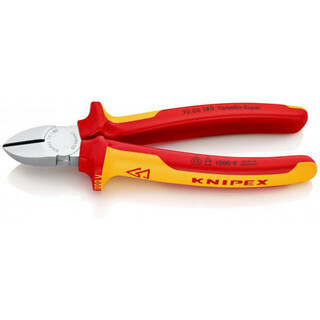
Knipex VDE Pliers & Cutters
Knipex VDE pliers are built for electrical work where grip, control and proper insulation matter, from first fix wiring to board work and fault finding.
When you're stripping back, twisting conductors, trimming tails or working in tight boxes, this is the kit you don't skimp on. The Knipex VDE plier range gives sparkies properly insulated grips, clean cutting edges and the sort of fit and finish that stands up to daily van and site abuse. Pick the shape to suit the job and get the right pair in your pouch.
What Are Knipex VDE Pliers Used For?
- Cutting and gripping live-rated cable work during first fix, where you need insulated handles and reliable control when dressing cables, pulling conductors through and trimming ends.
- Working inside consumer units, back boxes and trunking runs, where Knipex insulated pliers help you hold, bend and position wire without your hand slipping all over the place.
- Snipping copper conductors, tying in accessories and twisting pairs during testing and install work, especially when you're moving between board work, sockets and lighting points all day.
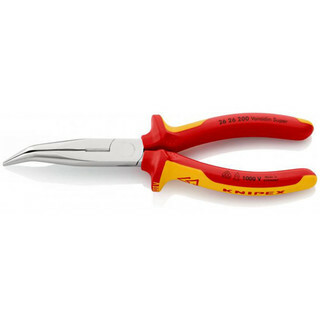
- Reaching into tight voids and awkward enclosures with Knipex VDE long nose pliers, where a standard pair is too blunt or bulky to place and pull neatly.
- Handling day to day electrical maintenance, fault finding and snagging, where a proper Knipex 1000V pliers setup saves carrying the wrong tool for simple grip, cut and bend jobs.
Choosing the Right Knipex VDE Pliers
Sorting the right pair is simple: match the jaw shape and size to the work you actually do, not what looks handy in the bag.
1. Combination Pliers for All Round Electrical Work
If you want one pair that earns its keep every day, start with Knipex VDE combination pliers. They grip, bend and cut well enough for general install work, so they are the safe bet for a tool pouch that gets used on everything from sockets to board tails.
2. Long Nose Pliers for Tight Access
If you're forever in back boxes, ceiling voids or crowded panels, go for Knipex VDE long nose pliers. They let you reach, hold and position conductors properly where a stubby combination pair just gets in the way.
3. Size Matters More Than You Think
A Knipex VDE pliers 180mm size is a solid middle ground for most sparks. Go smaller if pouch space and tight access matter most. Go larger if you need more leverage for regular cutting and heavier day to day use.
4. Singles or a Set
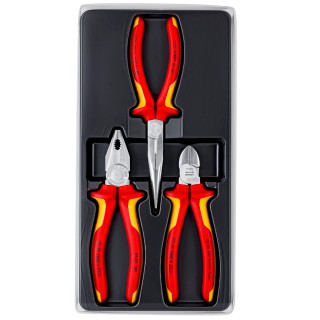
If you're replacing one worn out favourite, buy the exact type you use most. If you're building your kit properly, a Knipex insulated plier set makes more sense because you cover gripping, cutting and fine access jobs without making do with the wrong pair.
Who Uses These on Site?
- Sparkies use Knipex VDE pliers every day for first fix, second fix and board work because they need safe insulated grip when cutting, twisting and dressing conductors.
- Maintenance electricians keep a pair close for fault finding and repair work, especially when opening panels, replacing accessories and sorting awkward cable positions in older installs.
- Industrial fitters and control panel lads rely on the Knipex VDE plier range for neat work in cabinets and enclosures, where accurate grip matters more than brute force.
- Apprentices are usually told early on to buy decent Knipex insulated pliers once, because cheap handles and poor cutters soon show themselves after a week in the pouch.
The Basics: Understanding Knipex VDE Pliers
The key thing with VDE pliers is not just that they cut or grip. It is that they are built and tested for electrical work where insulation and control both matter. Here is the simple version.
1. VDE Insulation
A proper Knipex VDE plier has insulated handles designed for electrical use up to the stated working rating. On site, that means safer handling when you're carrying out the sort of electrical jobs where standard bare handled pliers have no place.
2. Different Jaws for Different Jobs
Combination pliers are the all rounders for grip and cut work. Long nose patterns are for reaching into tight spots and shaping conductors neatly. Side cutters are for quick clean snips. Buy the jaw style for the task, not just the badge.
3. Tested for Electrical Use, Still Used with Common Sense
Knipex 1000V pliers are made for insulated electrical work, but they are not a licence to get careless. Keep them clean, check the insulation for damage and use the right pair for the job rather than forcing one tool to do everything.
Useful Extras for Knipex VDE Pliers
A few sensible extras keep your pliers protected, easier to carry and ready for electrical work day after day.
1. Tool Pouches and Holsters
A proper pouch stops insulated handles getting buried under screws, blades and loose gear in the bag. You will also waste less time climbing down steps or walking back to the van for the pair you use every ten minutes.
2. VDE Tool Sets
If you are still mixing odd singles from different makes, a matched Knipex insulated plier set sorts that out fast. It covers the core grip and cutting jobs properly and saves using the wrong tool because that is all you had with you.
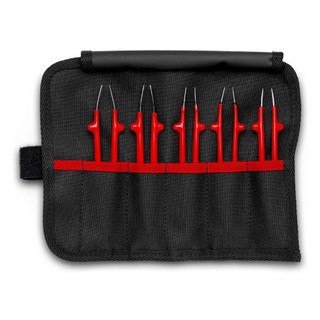
3. Storage Cases or Tool Rolls
Good storage keeps the insulation from getting knocked about in the van and makes inspection easier. That matters when the whole point of the tool is safe electrical use, not just cutting wire.
Choose the Right Knipex VDE Pliers for the Job
Use this quick guide to sort the right pattern for the work in front of you.
| Your Job | Knipex VDE Pliers Type | Key Features |
|---|---|---|
| General first fix and second fix electrical work | VDE Combination Pliers | All round grip and cut performance, insulated handles, solid everyday pouch tool. |
| Reaching into back boxes, panels and tight trunking | VDE Long Nose Pliers | Slender jaws, better access, more control when placing and bending conductors. |
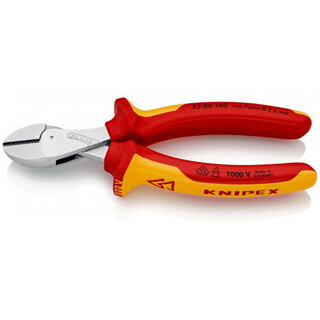
| Fast clean cutting of conductors and cable ends | VDE Side Cutters | Sharper cutting focus, less bulk, quicker snips during repetitive wiring work. |
| Building a full electrical hand tool setup | Knipex Insulated Plier Set | Core gripping and cutting tools together, matched insulation, easier kit standardisation. |
| Daily van stock for one main all round pair | Knipex VDE Pliers 180mm | Balanced size for leverage, control and pouch carry without being too bulky. |
Common Buying and Usage Mistakes
- Buying one pair for every task is the usual mistake. Combination pliers are handy, but if most of your work is in cramped boxes or panels, long nose pliers will save time and a lot of awkward hand positions.
- Choosing standard pliers over VDE rated ones for electrical work is false economy. You might save a few quid up front, but you lose the insulated protection that the job actually calls for.
- Ignoring size can make the tool feel wrong all day. Too small and you lose leverage. Too big and the pair is clumsy in tight spaces. A 180mm pair is often the sensible middle ground for general site electrical work.
- Using insulated pliers with damaged handles is asking for trouble. Check the insulation regularly and replace them if the coating is cut, split or badly worn.
- Using pliers as a pry bar or general beater shortens their life fast. Keep them for gripping, bending and cutting, and they will stay accurate and safe for longer.
Combination Pliers vs Long Nose Pliers vs Side Cutters
VDE Combination Pliers
These are the everyday all rounders. Best if you want one pair for gripping, bending and cutting on general install work. They are not as precise in tight spaces as long nose pliers, but they are the safest starting point for most sparks.
VDE Long Nose Pliers
These come into their own in deep boxes, busy panels and awkward trunking. You get better reach and neater control, but they are not the pair you want if most of your day is heavier gripping or tougher cutting.
VDE Side Cutters
If clean, quick cutting is the main job, side cutters are the better pick. They are lighter and faster for repetitive snips, but they do not replace a proper gripping pair when you need to twist, hold or bend conductors.
Maintenance and Care
Wipe Them Down After Use
Dust, plaster and cable muck soon build up around the joint and cutters. A quick wipe after the job keeps the action smooth and makes it easier to spot any damage to the insulation.
Check the Insulation Properly
Before electrical work, inspect the insulated handles for cuts, splits or deep scuffs. If the protective coating is compromised, retire the pair from VDE use and replace them.
Keep the Joint Moving
A stiff pivot makes precise work harder than it needs to be. Keep the joint clean and lightly lubricated so the pliers open cleanly and do not fight you in tight work.
Store Them Separate from Loose Metal
Throwing insulated pliers in with sharp screws, blades and raw steel is a good way to nick the handles. A pouch, tool roll or case helps protect the insulation in the van.
Replace Worn Cutters Before They Cost You Time
If the cutting edges are chipped or the jaws no longer meet cleanly, the tool stops doing its job properly. On fiddly electrical work, that usually means chewed cable ends and wasted time.
Shop Knipex VDE Pliers at ITS
Whether you need Knipex VDE combination pliers, Knipex VDE long nose pliers, a Knipex VDE pliers 180mm size or a full Knipex insulated plier set, we stock the range properly. It is all held in our own warehouse, in stock and ready for next day delivery, so you can get the right electrical hand tools on site without hanging about.
Knipex VDE Pliers FAQs
Which VDE pliers do electricians need?
For most sparks, the core pair is VDE combination pliers because they cover grip, bend and cut jobs all day. Add VDE long nose pliers if you work in back boxes, panels or cramped trunking, and side cutters if you do a lot of repetitive snipping.
Are Knipex VDE pliers tested to 10;000V?
Yes, Knipex VDE pliers are individually tested to 10000V and rated for work up to 1000V AC where used correctly. That said, always check the exact product spec and never use a damaged insulated tool just because it still looks mostly fine.
What is the difference between VDE and standard pliers?
The big difference is the insulation. VDE pliers are made and tested for electrical work, with insulated handles to the proper standard. Standard pliers might cut and grip just as well, but they are not the right tool where electrical protection is part of the job.
Can VDE pliers be used on dead circuits too?
Yes, all the time. Plenty of electricians use VDE pliers on dead circuits for normal install work because they are still solid day to day hand tools. You get the same grip and cutting performance, plus the insulation when the job calls for it.
Do VDE pliers come in sets?
Yes, you can get VDE pliers in sets, and they make sense if you are building out a proper electrical kit. A set usually gives you the main gripping and cutting patterns in one go, so you are not stuck trying to make one pair cover every job.