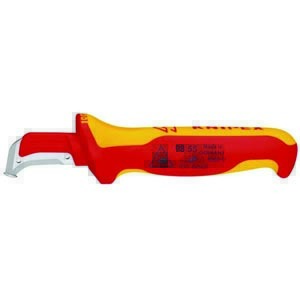
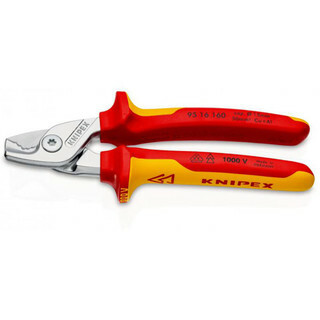
Knipex VDE Cutting Tools
Knipex VDE cutting tools are built for electrical work where clean cuts, safe grip, and proper insulation matter on live-rated jobs and tight first-fix runs.
If you're stripping out old tails, trimming cable ties in a packed board, or cutting conductors all day, this is the sort of kit worth buying once. Knipex VDE pliers and cutters are trusted by sparks because the edges stay sharp, the grips stay secure, and the insulation is right for the job. Pick the right shape for the cable and get on with it.
What Are Knipex VDE Cutting Tools Used For?
- Cutting copper and aluminium conductors cleanly during first fix, so you are not crushing the cable before it ever reaches the board or accessory.
- Trimming cable ties, sheathing, and smaller fixings inside consumer units, panels, and trunking where bulky cutters just get in the way.
- Snipping and shaping wire on control gear, lighting circuits, and containment work where a neat cut saves time on termination.
- Handling electrical maintenance and fault-finding jobs where VDE insulation gives you the right protection standard for properly rated hand tools.
- Using knipex croppers for tougher wire cutting jobs where standard side cutters would struggle or end up with nicked edges.
Choosing the Right Knipex VDE Cutting Tools
Match the cutter shape to the cable and the space you work in. That matters more than buying the biggest pair on the page.
1. Side Cutters for General Wiring
If you are doing everyday electrical work on twin and earth, singles, ties, and lighter wire, start with VDE side cutters. They are the pair most sparks carry all day because they cover the bulk of routine cutting without filling your pouch.
2. High Leverage for Repetitive Cutting
If you are cutting cable all shift, go for high leverage patterns. They take less hand force, which makes a real difference by the end of the day, especially on bigger conductor sizes.
3. Compact Heads for Boards and Panels
If most of your work is in consumer units, trunking, or control gear, choose slimmer heads over brute size. Bigger cutters are pointless if you cannot get them square onto the cable.
4. Croppers for Harder Wire
If you need to deal with tougher wire, heavier gauge material, or repeated harder cuts, look at knipex croppers rather than forcing standard cutters past what they are meant to do. That saves the edges and saves your hands.
Who Uses These on Site?
- Sparkies use Knipex VDE cutting tools day in, day out for first fix, second fix, board changes, and fault work because clean cable cuts make termination quicker and tidier.
- Industrial electricians reach for them when working in panels, control cabinets, and plant rooms where safe insulated grips and accurate cutting matter in cramped spaces.
- Maintenance teams keep a pair in the bag for call-outs, small repairs, and isolations because they are the sort of cutters that earn their keep on mixed jobs.
- Apprentices are better off starting with proper Knipex VDE pliers and cutters rather than cheap mixed sets that go loose at the pivot or blunt after a few weeks.
The Basics: Understanding Knipex VDE Cutting Tools
The key thing here is not just the cutting edge. With VDE tools, the insulation standard is just as important as the cutter type, because it affects where and how the tool can be used.
1. VDE Rating
VDE tools are insulated and tested for electrical work to the relevant standard. In plain terms, that means the handles are built and checked to give proper protection when you are working on or near electrical systems, not just dipped in plastic for comfort.
2. Cutter Shape Matters
Side cutters, end cutters, and croppers all do different jobs. The right jaw shape gives a cleaner cut, better access, and less strain, which means fewer damaged conductors and less fighting the tool.
3. Leverage Saves Wear
A well-designed pivot and cutting geometry reduce effort at the handles. On site, that means quicker repetitive cuts and less hand fatigue, especially when you are trimming cable all day rather than making the odd snip.
Useful Extras for Knipex VDE Cutting Tools
A few sensible extras keep your cutters protected, easier to carry, and less likely to get ruined in the bottom of the van.
1. Tool Pouches and Holsters
A proper pouch stops your VDE cutters getting buried under screws, rawl plugs, and sharp fixings that can damage the insulation. It also means you are not forever climbing down steps to fetch them.
2. Insulated Tool Cases
A case keeps VDE tools dry, separate, and easier to inspect before use. That matters because once the handles get chewed up or contaminated, you are guessing rather than working safely.
3. Cable Cutters for Larger Conductors
Do not force small cutters through cable they were never meant for. A dedicated cable cutter saves the blades on your everyday Knipex VDE pliers and gives a cleaner finish on bigger work.
Choose the Right Knipex VDE Cutting Tools for the Job
Use this as a quick guide before you fill the pouch.
| Your Job | Knipex VDE Category or Type | Key Features |
|---|---|---|
| Everyday first fix and second fix wiring | VDE side cutters | General cable cutting, compact carry, fast access, good all-round control |
| Long days cutting conductors repeatedly | VDE high leverage cutters | Lower hand effort, better for repetitive use, cleaner cuts on thicker cable |
| Working inside boards and control panels | Compact head VDE cutters | Better access, neater approach to terminals, easier one-handed use in tight spots |
| Tougher wire and heavier cutting jobs | Knipex croppers | Built for harder materials, protects lighter cutters from damage, improved leverage |
| Mixed maintenance and call-out work | VDE pliers and cutter combination | One pouch setup for gripping, cutting, and quick electrical repairs |
Common Buying and Usage Mistakes
- Buying by size alone is a common mistake. A bigger cutter is not better if you mainly work in boards and trunking, where a slimmer head is what actually gets the job done cleanly.
- Using standard cutters on tougher wire wrecks the edges fast. If the material is harder or thicker than everyday cable, move up to the right croppers or dedicated cutters.
- Treating VDE handles like ordinary grips is asking for trouble. If the insulation is cut, burnt, or badly worn, the tool needs inspecting and usually replacing, not just carrying on regardless.
- Leaving VDE tools loose in a wet van or mixed in with sharp metal gear shortens their life. Store them dry and protected so the insulation stays intact and easy to check.
- Assuming any insulated-looking tool is VDE rated catches people out. Check the actual rating and intended use before it goes anywhere near electrical work.
VDE Side Cutters vs High Leverage Cutters vs Croppers
VDE Side Cutters
These are the everyday pair for most sparks. Best for routine wiring work, cable ties, and lighter conductors. They are easy to carry and quick to use, but they are not the right answer for repeated heavier cuts.
VDE High Leverage Cutters
Go here if you spend the day cutting cable and want less strain through the handles. They cost more than a basic pair, but the reduced effort and cleaner cut pay back quickly on busy site work.
Knipex Croppers
Croppers are the step up for tougher wire and heavier-duty cutting. They are not your pocket pair for every small snip, but they stop you abusing standard cutters on jobs they were never built for.
Maintenance and Care
Wipe Down After Use
Get dust, plaster, and cable debris off the jaws and handles at the end of the shift. Grime around the pivot soon turns a good pair of cutters stiff and rough.
Check the Insulation Properly
Before use, inspect the VDE handles for cuts, burns, splits, or crushed sections. If the insulation is damaged, do not chance it on electrical work.
Keep the Pivot Moving
A light drop of suitable oil on the joint keeps the action smooth and stops premature wear. Wipe off any excess so it does not end up on cable or gloves.
Store Them Dry and Separate
Do not throw VDE cutters in with sharp loose fixings or wet kit. A dry tool roll, case, or pouch helps protect both the cutting edges and the insulated handles.
Replace When They Stop Cutting Cleanly
If the edges are nicked, the pivot is sloppy, or the handles are damaged, retire them. Fighting a worn cutter wastes time and can damage conductors or your hand.
Why Shop for Knipex VDE Cutting Tools at ITS?
Whether you need compact Knipex VDE pliers for board work, heavier cutters for daily cable prep, or knipex croppers for tougher stuff, we stock the range properly. It is all held in our own warehouse, in stock, and ready for next day delivery so you can get the right cutters on site without hanging about.
Knipex VDE Cutting Tools FAQs
What does VDE mean on pliers?
VDE means the tool is made and tested to a recognised electrical safety standard for insulated hand tools. In real terms, it tells you the insulation is there for electrical work, not just comfort, and that matters when you are working on or near live systems.
What are VDE handles on Knipex Tools?
They are insulated handles designed for electrical applications and tested to the proper standard. On Knipex tools, they are there to give you rated protection when the job calls for insulated hand tools, while still giving decent grip and control in the hand.
Are VDE cutters tested individually?
Yes, proper VDE cutters are individually tested. That is one of the big reasons trades buy them for real electrical work rather than taking a chance on cheap insulated-looking tools that do not tell you much about how they were checked.
Can VDE cutters cut live cable?
They are designed as insulated tools for electrical work, but that does not mean cutting live cable should be treated casually. Safe isolation comes first. Use them within their rating and your site procedures, not as an excuse to skip proper electrical safety.
How should VDE tools be stored?
Keep them dry, clean, and separate from sharp loose metal gear that can nick the insulation. A pouch, roll, or case is the right way to store them. If the handles get damaged in the van, the tool is no longer something you should trust for electrical work.
Do I need side cutters or croppers for electrical work?
For everyday cable cutting, side cutters are what most sparks carry. If you are dealing with tougher wire or pushing through heavier cuts regularly, croppers make more sense and stop you chewing up the edges on your general-use cutters.