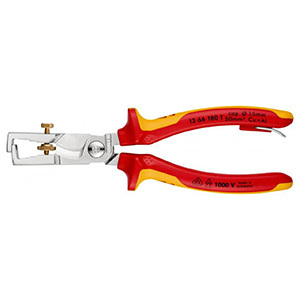
Knipex Tethered Tools More Hand Tools
Knipex tethered hand tools are built for height work where one dropped tool can stop the job, damage finishes, or put lads below at risk.
If you're working off a podium, tower, MEWP or scaffold, this is the Knipex tethered tool range worth looking at. These are proper Knipex TT hand tools with fixed attachment points built in, so you're not bodging loops onto standard gear. Ideal for maintenance teams, plant fitters, sparkies and steelwork jobs where control matters as much as the cut or turn. If you already trust Knipex Hand Tools, this is the safer way to carry the same sort of kit aloft. Pick the tools that match the task and get your height work sorted properly.
What Are Knipex Tethered Hand Tools Used For?
- Working on scaffold lifts, access towers and MEWPs where a dropped screwdriver or spanner can shut down the area below and create a serious strike risk.
- Carrying out electrical and mechanical maintenance above head height, where Knipex tethered hand tools stay secured to the user while still being quick to grab and use.
- Fitting containment, brackets, clips and fixings in plant rooms, warehouse racking and service voids where losing a tool into awkward spaces costs time and causes no end of grief.
- Using Knipex Tethered Cutting Tools for snipping, trimming and cutting at height without having to worry about cutters slipping from a pocket or pouch.
- Handling inspection, snagging and repair work on finished commercial sites where tethered tools help protect floors, glass, machinery and people underneath.
Choosing the Right Knipex Tethered Hand Tools
Match the tool to the actual job at height first. If it only works because you added a workaround, it is the wrong bit of kit.
1. Built In Tether Point vs Improvised Fixes
If you are working above people, walkways or finished kit, go for proper Knipex tethered hand tools with the fixing point made into the tool. Do not mess about with taped loops or aftermarket bodges on standard tools when a secure factory setup is what the risk assessment wants.
2. Pick the Tool Type for the Trade
If you are doing cable prep and terminations, look at Knipex Tethered Strippers & Crimpers. If the job is mostly trimming ties, cutting wire or snipping small fixings, a cutting tool makes more sense than carrying extra kit you will not use.
3. Size and Reach Still Matter
If you are working in packed risers or above ceiling grids, compact tools are easier to control and less likely to snag the lanyard. For plant and steel fixings, step up to longer handles or bigger spanners only when the access and torque demand it.
4. Do Not Ignore the Lanyard Setup
A good tethered tool is only half the system. Pair it with the right Knipex Tethered Tool Lanyards for the tool weight and working position, otherwise the setup gets awkward fast and lads stop using it properly.
Who Uses These on Site?
- Sparkies use the Knipex tethered hand tool range for tray, basket and high-level fixings, especially when they are working off towers and need both hands free between tasks.
- Mechanical fitters and maintenance engineers swear by Knipex tethered screwdrivers and spanners for plant rooms, roof level kit and service gantries where dropped tools are a real hazard.
- Facilities teams keep knipex tt hand tools ready for call-outs above suspended ceilings, in lift motor rooms and over live working areas where control matters more than speed alone.
- Steel erectors, HVAC installers and industrial crews use tethered kit at height because it cuts the risk of tools going over the edge and holding everyone else up.
- Supervisors often pair them with Knipex Tool Pouches so the tools stay organised, clipped in and close to hand instead of rattling round loose.
The Basics: Understanding Tethered Hand Tools
The point of a tethered setup is simple. You keep control of the tool if it slips, fumbles or gets knocked, instead of letting it hit whatever is underneath.
1. The Tool Has a Fixed Attachment Point
Proper knipex tethered hand tools are made with a dedicated tether point built into the tool. That gives you a consistent place to clip in, rather than relying on handles, tape or add-on loops that were never meant for the job.
2. The Lanyard Takes the Drop
If the tool leaves your hand, the lanyard stops it falling to the deck below. On site, that means less risk to workers, less damage to finished areas and less wasted time shutting an area down because something went over the edge.
3. The Whole Setup Needs to Match
Tool weight, lanyard rating and where you are working all need to line up. A light screwdriver on short-reach work is one thing. A heavier spanner used over handrails or plant needs a setup that stays secure without getting in the way.
Tethered Tool Accessories That Make the Setup Work
Get the supporting kit right and your tethered tools are safer, quicker to use and far less of a faff on long shifts.
1. Tool Lanyards
This is the obvious one, but it is also the one lads get wrong. A proper tether stops the tool dropping, keeps you compliant with site rules and saves that sinking feeling when a driver slips out your hand over live areas or finished floors.
2. Tool Pouches
Loose tools and lanyards become a tangle if you just stuff everything in a pocket. A decent pouch keeps tethered gear separated, stops snagging when climbing and means you are not fishing about one-handed while trying to hold position.
3. Strippers and Crimpers
If your work at height includes cable prep, adding dedicated tethered stripping and crimping tools saves carrying standard versions you cannot safely clip in. It is cleaner, quicker and avoids swapping kits halfway through a job.
Choose the Right Knipex Tethered Hand Tools for the Job
Use this quick guide to sort the right tool type for the work you are actually doing aloft.
| Your Job | Knipex Tethered Hand Tools | Key Features |
|---|---|---|
| High level electrical fixing and terminal work | Tethered screwdrivers and slim electrical tools | Secure attachment point, controlled handling, easier use in trays, risers and ceiling voids |
| Cutting ties, cable ends and light wire at height | Tethered cutters and snips | Fast one hand access, less chance of drops, compact size for tight access work |
| Plant maintenance and mechanical adjustments overhead | Tethered spanners and gripping tools | Positive grip, proper tether point, better control over machinery and walkways |
| Cable stripping and crimping off towers or podiums | Tethered strippers and crimpers | Purpose made for prep work aloft, safer than mixing standard tools into a tethered system |
| General inspection, snagging and mixed fixings work | Compact Knipex TT hand tools | Lower weight, easier carry, suits pouches and short lanyard setups for quick tasks |
Common Buying and Usage Mistakes
- Buying standard hand tools and planning to add a homemade tether later is where many setups go wrong. If the tool has no proper fixing point, it is harder to trust and often fails site requirements, so buy purpose made tethered kit from the start.
- Picking a lanyard without checking the tool weight causes constant nuisance or unsafe loading. Too light and it is the wrong rating. Too bulky and it gets in the way all day. Match the lanyard to the tool and task.
- Choosing oversized tools for confined height work makes simple jobs harder than they need to be. In ceiling voids, risers and access platforms, a compact tethered tool is usually easier to control and less likely to snag.
- Letting tethered tools swing loose from pockets or belt loops soon turns into knocks, tangles and damaged finishes. Use a proper pouch or organised carry setup so each tool stays secure and easy to grab.
- Assuming all height work rules are the same from site to site catches people out. Some jobs demand full tethered systems as part of RAMS or contractor policy, so check the site requirement before you turn up with the wrong kit.
Tethered Screwdrivers vs Tethered Spanners vs Tethered Cutters
Tethered Screwdrivers
Best for electrical accessories, control gear, panels and general fixing work at height. They are the easiest to carry for snagging and light install work, but they are no use when the job needs cutting force or spanner flats.
Tethered Spanners
These make more sense for plant, bracketry and mechanical fixings where grip and turning force matter. They tend to be a bit bulkier, so they suit planned maintenance and install work more than quick mixed-task snagging.
Tethered Cutters
Ideal for cable ties, wire and small trim jobs where speed matters and the risk of a dropped cutter is high. They are brilliant for repetitive site tasks, but they will not replace screwdrivers or spanners in a full height-work kit.
Standard Tools vs Knipex TT Range
Standard tools are fine on the bench or at ground level, but once you are working above people or sensitive kit, the Knipex TT range is the safer choice. The built in tether point is the real difference, not just the badge.
Maintenance and Care
Check the Tether Point
Before every shift, inspect the attachment point for wear, distortion or damage. If the tether connection looks suspect, pull it from service until it is replaced. This is not the bit to take a chance on.
Keep Joints and Faces Clean
Dust, swarf and site grime soon build up on cutters, pivots and spanner faces. Wipe tools down after use so they keep a proper grip and do not start feeling stiff or rough in the hand.
Dry Them Off Properly
If the tools have been out in rain or damp plant areas, dry them before they go back in the pouch. Leaving wet tools and lanyards bundled together is asking for corrosion and tired webbing.
Store as a System
Keep the tool, lanyard and pouch setup together where possible. That way you are not turning up on site with half the system missing or clipping a good tool onto a worn-out tether from another bag.
Replace Worn Lanyards Early
If the cord, stitching, karabiner or captive fitting shows wear, replace it before it fails. A tethered setup is only as good as the weakest part, and that is usually the accessory, not the tool.
Why Shop for Knipex Tethered Hand Tools at ITS?
Whether you need a single tethered screwdriver, cutters for high-level work, or a wider knipex tethered tool range for site compliance, we stock the lot. From everyday hand tools through to specialist height-work kit and knipex tethered accessories, it is all in our own warehouse and ready for next day delivery.
Knipex Tethered Hand Tools FAQs
Which Knipex hand tools are available tethered?
The Knipex TT range covers the usual site essentials for working at height, including knipex tethered screwdrivers, knipex tethered spanners, cutters, gripping tools and other task-specific hand tools. The exact mix depends on the page range, but it is proper working kit, not token add-ons.
How do tethered hand tools attach to a lanyard?
They attach through a built in tether point made into the tool itself. That gives you a proper connection for a tool lanyard, which is far better than taping on loops or clipping onto parts of the handle that were never designed for it.
Do tethered tools weigh more than standard tools?
Usually a bit, yes, because of the added tether point and connection hardware. In real use, though, the difference is minor compared with the safety benefit, and most lads adjust to it straight away once they are working off towers or MEWPs.
Are tethered tools required by law at height?
Not as a blanket rule for every single task, but many sites, contractors and RAMS will require dropped object control for work at height. In practice, if you are working over people, walkways, machinery or finished areas, tethered tools are often expected and sometimes mandatory under site rules.
Can standard Knipex tools be retro fitted with a tether?
Not properly in the way a purpose made tethered tool can. You might find aftermarket fixes, but they are not the same as a factory built attachment point. If the job genuinely needs tethering, buy the correct Knipex TT hand tools rather than trying to improvise.
Are these only for big industrial jobs?
No. They make just as much sense for routine maintenance, commercial fit-out, school work, hospitals and office refurb jobs where one dropped tool can injure someone or damage finished surfaces below.
Do tethered tools get in the way when you are working?
They can if the lanyard is the wrong length or rating for the tool. Set up properly, they are straightforward to use. The trick is matching compact tools with a sensible lanyard and storing them in a pouch so nothing snags.