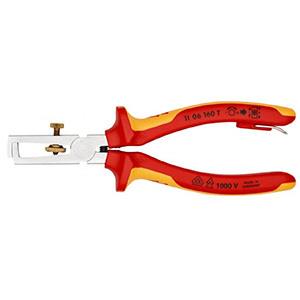
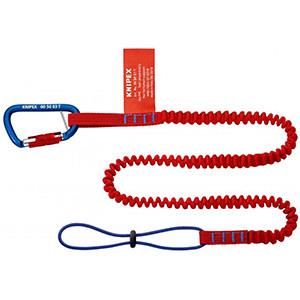
Knipex Tethered Tools
Knipex tethered tools are built for working at height, keeping essential hand tools secure when dropped kit could injure lads below or stop the job cold.
If you're on towers, platforms, plant, or steel and one dropped pair of cutters means paperwork, downtime, or worse, this is the kit to look at. Knipex tools for working at height give you proper trade-spec pliers, cutters, grips, and tether points that are made to stay attached without making the tool awkward in hand. For snipping, gripping, twisting, crimping, and day-to-day fixings work above ground level, these are the bits that help you stay compliant and keep moving. If you need specific cutting kit, start with Knipex Tethered Cutting Tools, then sort the rest of your setup from the full range.
What Are Knipex Tethered Tools Used For?
- Working from MEWPs, scaffold lifts, towers, and fixed access where dropping a pair of pliers or cutters could shut the area below and cause a proper safety issue.
- Cutting cable ties, wire, and small fixings during install work at height where standard loose hand tools are one slip away from landing on plant, glazing, or lads underneath.
- Gripping, twisting, and adjusting fittings on steelwork, containment, duct supports, and service runs when one-handed positioning and tool retention both matter.
- Handling maintenance and inspection work on industrial sites, warehouses, and public-facing jobs where tethered kit helps meet site rules without swapping to poor quality alternatives.
- Building out a compliant tool setup with Knipex Tethered Tools PPE and the right retention gear so tools stay where they should when you're moving between access points.
Choosing the Right Knipex Tethered Tools
Sorting the right setup is simple: match the tool to the task first, then match the tethering kit to the risk and working position.
1. Pick the hand tool you actually use all day
If your work is mostly cable, ties, and fine trimming, go straight for cutters. If you're constantly gripping, bending, or adjusting fixings, pliers make more sense. Do not buy a bulky tethered tool just because it is compliant if it slows down the job every five minutes.
2. Check the attachment point is factory integrated
If you are working overhead every day, use tools with a proper built-in tethered tool attachment point rather than makeshift loops or taped-on add-ons. A factory setup sits better in hand and gives you a cleaner, safer connection.
3. Match the lanyard rating to the tool weight
Do not guess this. If the tool is light, a compact lanyard keeps it from snagging. If it is heavier or you are leaning out from access gear, step up the rating. Build the setup around proper Knipex Tethered Tool Lanyards so the retention side is as sorted as the tool itself.
4. Build by task, not by one tool type
Most lads working at height need more than one tethered option. Start with your daily-use cutters or pliers, then add from Knipex Tethered More Hand Tools for the odd jobs that still have to be done safely above ground.
Who Uses These on Site?
- Sparkies use knipex tethered tools for basket work, risers, cable tray, and containment jobs where cutters and pliers are in hand all day and cannot be dropped.
- Telecoms and data installers swear by knipex tt tools when working on gantries, plant rooms, and elevated service routes because they still need precise cutting and stripping without loose kit.
- Mechanical fitters and maintenance teams use them for clips, pipe supports, brackets, and adjustment work over live areas where dropped tools mean stoppages and incident reports.
- Rail, utilities, and industrial crews reach for KNIPEX tools for working at height because site rules are tighter and the tools need to be tether-ready from the start, not bodged after.
- Rope access and access platform teams often pair them with Knipex Tool Pouches so the tool is secured when not in use and easy to grab when clipped on.
The Basics: Understanding Tethered Tools
The idea is simple. The tool stays connected to you, your harness, belt, or anchor point so if it slips, it does not fall onto the work area below. What matters is how the tool, attachment point, and lanyard work together on the job.
1. The attachment point is part of the system
A tethered tool attachment point is the fixed connection on the tool that takes the lanyard. On site, that means a proper place to clip on without stopping the tool from opening, closing, or sitting right in your hand.
2. The lanyard controls the drop
The lanyard is not there to make the tool look compliant. It is there to stop a dropped tool turning into a falling hazard. The right one keeps enough reach to work normally but not so much slack that the tool swings into steel, glass, or machinery.
3. Tethered does not mean awkward
Good knipex tethered tools are still proper working tools first. You should still be able to cut, grip, and adjust cleanly. The difference is that the retention part is already sorted for jobs where a dropped hand tool is unacceptable.
Accessories That Keep Your Tethered Setup Working
The tool is only half the job. The right storage and retention kit stops snags, dropped tools, and wasted time moving round site.
1. Tool Lanyards
Get the rating right from the start. A poor match here is asking for trouble. Too light and it is unsafe. Too long and it snags on access gear, handrails, and brackets while you are trying to work.
2. Tool Pouches
A decent pouch saves you from stuffing tethered tools into random pockets where clips catch and handles dig in. It also keeps the right tool to hand when you are clipped on and cannot just nip back down to the van.
3. Harness or Belt Attachment Points
There is no point tethering the tool properly if the user end is a bodge. Secure attachment points on your belt or harness give the lanyard somewhere reliable to work from and help stop tangles when you change position.
Choose the Right Knipex Tethered Tools for the Job
Use this as a quick way to sort the right type before you buy.
| Your Job | Knipex Tethered Tool Type | Key Features |
|---|---|---|
| Cutting cable ties, wire, and small conductors at height | Tethered cutting tools | Compact shape, clean cutting edges, built-in attachment point, easy one-handed handling |
| Gripping, twisting, and adjusting brackets or fixings overhead | Tethered combination or long nose pliers | Strong grip, controlled jaw access, retention point that does not get in the way |
| Maintenance work across mixed plant and service areas | General tethered hand tools | Versatile daily-use options, secure connection, suited to repeated access work |
| Strict site compliance with working at height rules | Tethered tools with matched PPE and lanyards | Correct retention setup, safer movement between tasks, easier sign-off on controlled sites |
Common Buying and Usage Mistakes
- Buying by tool name only and ignoring the work position is a common mistake. A tool that feels fine on the bench can be a pain on a tower if the lanyard setup snags every time you reach out.
- Using the wrong lanyard weight rating is where people come unstuck. Too light is unsafe and too heavy adds bulk, drag, and awkward movement, so always match the lanyard to the actual tool.
- Assuming any old attachment loop will do usually ends in a poor setup. Factory tether points are there for a reason and are far better than makeshift fixes wrapped round the handle.
- Not planning storage between tasks wastes time. If the tool has nowhere sensible to sit when you are climbing, repositioning, or changing hands, it becomes more nuisance than help.
- Leaving standard tools in the bag for height work to save a few quid is false economy. One dropped tool can stop the whole area below and cause more grief than buying the right kit in the first place.
Tethered Cutters vs Pliers vs Mixed Tool Kits
Tethered Cutters
Best for sparkies, data lads, and maintenance jobs where most of the day is snipping cable ties, trimming conductors, or cutting small wire. Faster and lighter in hand, but not the choice if you are constantly gripping and tweaking hardware.
Tethered Pliers
The better pick for twisting, holding, pulling, and adjusting fixings overhead. They are more versatile across mixed tasks, though usually bulkier than dedicated cutters if all you need is repeated clean cuts.
Mixed Tethered Tool Kits
Worth it if your work changes through the day and you cannot keep coming down for another tool. You get better coverage for install and maintenance tasks, but only if every piece earns its place on your belt.
Maintenance and Care
Wipe Down After Dirty Work
Dust, swarf, and site grime build up round pivots and cutting edges fast. Wipe the tool down after use so it keeps opening cleanly and the tether point stays easy to inspect.
Inspect the Attachment Point
Check the tether connection before every shift, especially if the tool has taken a knock. Any bent hardware, wear, or looseness wants sorting straight away, not after you are already up in the air.
Keep Joints Moving Properly
A small amount of suitable oil on the pivot helps if the tool starts to stiffen up after wet or dusty jobs. Do not drown it, or you will end up with greasy handles and a tool that is harder to control.
Store With the Lanyard Untwisted
Stuffing lanyards and tools into a heap in the van leads to tangles, kinks, and wasted time on site. Hang them properly or keep them organised in a pouch so they are ready to clip on and use.
Replace Worn Retention Gear Early
If the tool still works but the lanyard or clip is looking tired, replace the retention gear before it fails. The hand tool may be fine, but the whole system is only as good as its weakest bit.
Why Shop for Knipex Tethered Tools at ITS?
If you need knipex tethered tools for daily work at height, you want proper choice, not two or three token lines. We stock the full spread of cutters, pliers, hand tools, PPE, lanyards, and supporting kit for compliant overhead work, all in our own warehouse and ready for next day delivery. Get the right setup sorted now and it is on site when you need it.
Knipex Tethered Tools FAQs
When should tools be tethered?
Any time you are working at height and a dropped tool could hit someone, damage equipment, or shut down the area below, the tool should be tethered. That means scaffold, towers, MEWPs, platforms, gantries, plant, roof work, and elevated maintenance jobs. If the site has a dropped object policy, do not chance it with loose hand tools.
Does KNIPEX make fence pliers?
Yes, KNIPEX does make fence pliers, but for this range the main point is whether the tool is part of the tethered setup for working at height. If you need a very specific tool shape, check that the tether-ready version matches the task rather than assuming every standard KNIPEX pattern is available with a tether point.
What is a tethered tool attachment point?
It is the part of the tool designed to take the lanyard connection. On a proper tethered tool, that point is made to hold the tool securely if it slips from your hand. It matters because a bodged loop round the handle can shift, foul the grips, or fail when the tool drops.
Are tethered Knipex tools the same spec as standard versions?
In general, yes, that is the idea. You are still getting proper KNIPEX hand tool performance, with the added tethering provision for work at height. Always check the exact model details, but these are meant to do the same real work on site, not act like a cut-down safety version.
What weight lanyard do I need for tethered tools?
The right answer is the one rated for the actual tool you are clipping on. Do not estimate by eye. Check the tool weight and the lanyard rating, then allow for how you are working. A light cutter wants a different setup from a heavier plier or multi-use hand tool, and using the wrong rating is asking for trouble.
Do tethered tools get in the way when you are actually working?
Not if the setup is right. A decent tethered Knipex tool with the correct lanyard should still feel usable for normal cutting, gripping, and adjustment work. Most of the frustration comes from poor lanyard choice, bad storage, or clipping the tool to the wrong place on your belt or harness.