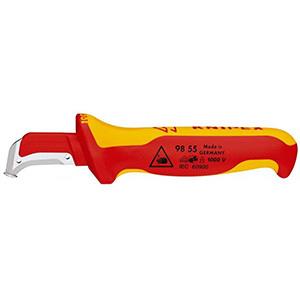
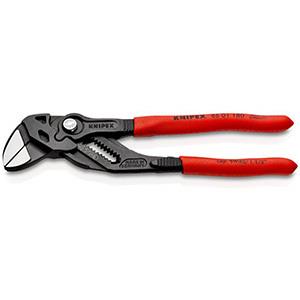
Knipex Hand Tools
Knipex hand tools are built for clean, controlled cutting, gripping and fixing on proper site work, from first fix wiring to plant and panel maintenance.
When cheap pliers start twisting in the jaws or cutters go off after a week, you're wasting time. Knipex tools are the sort trades keep for years because the fit, edge hold and grip are right. From Knipex Cutting Tools to Knipex Fastening Tools, this Knipex tool range suits sparks, fitters and maintenance teams who need hand tools that earn their place. If you want dependable site kit, start with the jobs you do most and build your set properly.
What Are Knipex Hand Tools Used For?
- Cutting cable ties, copper, multi strand cable and smaller fixings on first fix jobs is where Knipex pliers and cutters save time, because the edges stay sharp and the handles give you proper control.
- Gripping, twisting and pulling awkward components in panels, trunking runs and behind sanitaryware is easier with Knipex hand tools, especially where cheaper pliers slip off rounded parts.
- Working through snagging, maintenance call outs and breakdown repairs suits the Knipex hand tool range well, as you can carry compact tools that still cope with repeated daily use.
- Stripping out tired clips, seized fasteners and damaged fittings in refurb work is exactly the kind of job where Knipex tools earn their keep, because the jaws line up cleanly and do not feel vague under load.
- Sorting van stock and building a dependable everyday kit is a big reason trades buy Knipex professional hand tools, whether that means singles for pocket carry or fuller sets for the main bag.
Choosing the Right Knipex Hand Tools
Sort the right tools by the jobs you actually repeat every week, not by buying a random set and hoping it covers everything.
1. Cutters for Daily Use
If you're cutting cable, ties, copper or soft wire all day, buy dedicated cutters first. Do not use combination pliers for every cut going, because you'll feel the difference in effort and finish by the end of the shift.
2. Jaw Shape Matters
If you work in panels, cupboards or boxed in services, go for slimmer, longer nose patterns that can actually get into the space. If you're on heavier mechanical work, broader jaws and more leverage make more sense.
3. Singles or Sets
If you already know which tools wear out or get used most, buy them individually. If you're starting fresh, replacing tired mixed-brand kit or kitting out an apprentice, a set is usually the smarter spend.
4. Match the Tool to the Trade
Sparkies usually need cutters, long nose pliers and compact gripping tools first. Fitters and maintenance engineers may be better off putting more into gripping, fastening and adjustable options from Knipex More Hand Tools.
Who Uses These on Site?
- Sparkies swear by Knipex hand tools for cable work, board changes and control gear, because clean cutters and slim jaws make a difference when space is tight and accuracy matters.
- Plumbers and heating engineers reach for Knipex tools when they need a solid grip on pipe fittings, clips and stubborn valves without chewing everything up.
- Mechanical fitters and maintenance teams use the Knipex tool range for repetitive daily adjustment, pulling, gripping and cutting, especially on plant, enclosures and service work.
- Panel builders and site electricians often keep Knipex german pliers in the pouch for neat work inside cabinets, where poor jaw alignment quickly becomes a headache.
- Anyone building out a proper kit bag, including apprentices, usually starts with a few core pieces or looks at Knipex Hand Tool Kits to get the basics covered in one go.
Useful Add Ons for Your Knipex Hand Tool Range
A few sensible extras keep your tools together, easier to carry and less likely to get wrecked at the bottom of the van.
1. Tool Kits and Sets
If your current bag is a mix of worn out bits and odd singles, a matched set saves you chasing missing sizes and duplicate tools. It is also a straightforward way to get a proper working spread without guessing what you need next.
2. Tool Storage
Good pliers get ruined when they are thrown loose in with blades, screws and wet site rubbish. Proper Knipex Tool Storage keeps edges protected, stops handles getting damaged and makes it easier to grab the right bit straight away.
3. Specialist Fastening Tools
When standard pliers are doing jobs they were never meant for, you lose time and mark up fittings. Adding a few dedicated pieces from the fastening side of the range makes repetitive adjustment work far less frustrating.
Choose the Right Knipex Hand Tools for the Job
Use this as a quick guide before you start filling the tool bag.
| Your Job | Knipex Hand Tools or Type | Key Features |
|---|---|---|
| First fix wiring and board work | Cutters and long nose pliers | Clean cutting edges, slim access, better control in tight enclosures |
| General maintenance and service calls | Combination pliers and gripping tools | Versatile daily carry, solid jaw hold, useful for mixed repair work |
| Mechanical adjustments and stubborn fittings | Fastening and adjustable tools | Strong grip, less slip on rounded parts, better leverage under load |
| Apprentice starter kit or van refresh | Hand tool sets | Core tools covered in one buy, consistent quality, easier value than random singles |
| Panel work and confined spaces | Compact specialist pliers | Narrow jaw patterns, controlled handling, easier access behind services and inside cabinets |
Common Buying and Usage Mistakes
- Buying one all purpose pair and expecting it to cover every task usually ends in rough cuts, slipping jaws and slower work. Split your kit into cutting, gripping and fastening jobs if you use them daily.
- Choosing the biggest tool for every job can be a pain in tight cupboards, panels and service voids. Smaller or slimmer patterns are often the right call where access matters more than outright leverage.
- Using cutters on material they were not meant for will blunt edges fast. Match the cutter to the wire, fixing or material instead of forcing one pair through everything.
- Throwing decent pliers loose in a wet van or overfilled bag shortens their life for no reason. Dry them off and keep them stored properly so pivots stay smooth and edges stay protected.
- Going cheap on tools you use all day often costs more in the long run through replacements and slower graft. If a pair is in your hand every shift, buy the better one first.
Cutters vs Combination Pliers vs Fastening Tools
Cutters
Best when the main job is repeated cutting of cable, wire, ties or small fixings. They give cleaner cuts with less effort, but they are not the tool for heavy gripping or twisting work.
Combination Pliers
These are the usual all rounders for site bags because they grip, twist and cut in one tool. Good if your day is mixed, but they will never be as efficient at dedicated cutting as proper cutters.
Fastening Tools
Use these when the real issue is holding, turning or adjusting fittings without slip. They make more sense than forcing standard pliers onto nuts, connectors or awkward hardware.
Maintenance and Care
Wipe Down After Dirty Work
Dust, adhesive, plaster and metal filings soon gum up pivots and jaws. A quick wipe at the end of the day keeps movement smooth and stops grime building where it matters.
Keep Pivots Moving
If the joint starts feeling stiff, a small drop of light oil on the pivot sorts it before wear gets worse. Do not leave them to grind dry for months on end.
Protect the Cutting Edges
Do not use cutting tools as pry bars or on material outside their intended use. That is the quickest way to nick an edge and turn a good pair into a frustrating one.
Store Them Dry and Separate
Leaving hand tools wet at the bottom of the van invites corrosion and rough action. Keep them dry, organised and not knocking against loose blades and fixings.
Replace When Accuracy Goes
If the jaws no longer meet cleanly or the cutters are damaged, do not keep fighting with them on live jobs. Replace worn tools before they start costing you time and finish quality.
Why Shop for Knipex Hand Tools at ITS?
Whether you need a single pair of cutters, specialist gripping tools or a full Knipex hand tool range for the van, we stock the lot. Our range covers the key types trades actually use, including Knipex Fastening Tools and Knipex More Hand Tools, all held in our own warehouse and ready for next day delivery.
Knipex Hand Tools FAQs
Which Knipex hand tools are most popular with electricians?
For most sparks, it is the pliers and cutters that get used hardest. Combination pliers, side cutters, long nose pliers and compact gripping tools are the usual favourites because they cover cable work, panel work and general first fix without taking up half the pouch.
Are Knipex hand tools made in Germany?
Yes, Knipex is well known for German made pliers and cutters. That matters because the machining, jaw alignment and edge quality are a big part of why trades stick with them once they have used them properly on site.
Are Knipex hand tools available individually and in sets?
Yes, you can buy Knipex hand tools as single replacements or build out a full kit with sets. Singles suit experienced trades replacing specific favourites, while sets are handy for new starters, van refits or standardising mixed tool bags.
What warranty do Knipex hand tools have?
Warranty cover can vary by product, so it is worth checking the individual listing before you buy. In plain terms, these are tools built for regular trade use, but like any hand tool they still need to be used for the job they were designed for.
Why are Knipex pliers more expensive?
Because they are usually bought by people who are fed up replacing cheap pliers. You pay more up front for better steel, tighter tolerances, cleaner cutting and a tool that keeps doing the same job properly after months of hard use.
Will Knipex hand tools stand up to everyday site abuse?
Yes, that is exactly why most trades buy them, but be sensible with them. They will put up with daily bag carry, repeated use and rough site conditions, though no cutters will thank you for being used as a pry bar or on the wrong material.
Is it worth buying a set instead of one or two individual tools?
If you are starting from scratch, yes, often it is. A set gets the core jobs covered in one hit, while experienced trades who already know what they use every day may be better off buying the exact pieces they wear out most.