Knipex Lighting & Electrical
Knipex electrical tools are built for wiring work, clean cuts, safe stripping, and proper control on live-rated jobs without chewing up cable or your hands.
When you're dressing boards, stripping flex, or trimming tails all day, bad hand tools slow you down and mark the work. Knipex electrical tools are the sort sparks keep close because the edges stay sharp, the grips stay secure, and the VDE-rated options suit proper site and maintenance work. If you need dependable kit for daily electrical graft, start here and buy the tools you'll actually keep using.
What Are Knipex Electrical Tools Used For?
- Stripping flex, twin and earth, and control cable cleanly on first fix and second fix jobs, without nicking conductors and creating faults further down the line.
- Cutting copper and aluminium cable in plant rooms, risers, and consumer unit work where a clean cut makes termination quicker and far less frustrating.
- Crimping ferrules and terminals for panel work, testing setups, and neat board installations where loose connections are not worth the callback.
- Gripping, bending, and trimming conductors inside back boxes, trunking, and crowded enclosures where you need control without slipping off the work.
- Handling live-rated maintenance tasks with VDE options that suit commercial, industrial, and domestic electrical work where insulated hand tools are part of the job.
Choosing the Right Knipex Electrical Tools
Sorting the right one is simple: match the tool to the cable and the task, not just whatever looks closest in the pouch.
1. VDE or Standard Handles
If you are working around live-rated environments, testing, or maintenance callouts, go straight to Knipex VDE Tools. If it is bench work, prep work, or dead cable only, standard handled tools can make sense and usually keep the profile slimmer.
2. Cutters for Cable, Not General Pliers
If you are regularly trimming copper tails or multicore cable, buy proper Knipex Cable Cutters. Do not keep using combination pliers for everything, because you end up flattening cable, tiring your hand, and making terminations harder than they need to be.
3. Stripping and Crimping Jobs
If most of your day is flex prep, panel wiring, or final connections, look at dedicated Knipex Strippers & Crimpers. They are the better buy than making do with a blade and side cutters when you need repeatable, tidy results.
4. Site Wiring vs Panel Finishing
If you are roughing in on site, go for tougher all-rounders that can grip, bend, and cut. If you are doing cleaner control work or board dressing, choose more specialised strippers, ferrule tools, and fine cable prep kit that keeps the finish sharp.
Who Uses These on Site?
- Electricians use these day in, day out for stripping, cutting, crimping, and terminating cable on installs, upgrades, and fault-finding work.
- Maintenance sparks swear by Knipex electrician tools for board work and repairs because the handles are secure in the hand and the cutters do not give up after a few tough shifts.
- Panel builders and control engineers reach for this sort of Knipex electrical hand tools kit when neat prep and repeatable crimps matter more than rushing through with cheap pliers.
- HVAC fitters, alarm engineers, and data installers keep selected pieces in the bag for trimming cable, stripping flex, and working neatly in tight cupboards and ceiling voids.
The Basics: Understanding Knipex Electrical Tools
With electrical hand tools, the important bit is not clever features. It is using the right shape and rating for the cable and the work in front of you.
1. VDE Rated Tools
VDE tools are insulated for electrical work and tested for use up to the stated voltage. On site, that means safer handling when you are working in and around live-rated installations, consumer units, and maintenance jobs.
2. Cable Cutters vs General Pliers
Cable cutters are shaped to slice cleanly through copper and aluminium without crushing the cable. That gives you cleaner ends, easier termination, and less effort when you are doing repeated cuts through the day.
3. Strippers and Crimpers
These are built to remove insulation or fit terminals consistently. In real terms, that means fewer damaged cores, neater board work, and less chance of dodgy connections causing faults later.
Knipex Electrical Accessories That Save Time at the Board
A few proper add-ons make cable prep faster, tidier, and a lot less frustrating when the job starts stacking up.
1. Ferrules
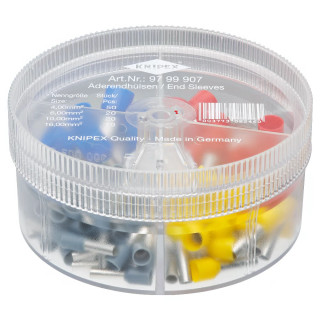
Keep a stock of Knipex Ferrules if you are dressing panels or terminating fine stranded cable. They stop strands splaying out, make insertions cleaner, and save you redoing loose or messy terminations.
2. Cable Management Kit
Using the right Knipex Cable Management gear saves you from scruffy runs, snagged conductors, and wasting time sorting cables out after the fixings are already in.
3. Spare Dedicated Cutting and Stripping Tools
Keeping separate cutters and strippers in the pouch stops you ruining one tool trying to make it do everything. It also means you are not walking back to the bag every five minutes when swapping between prep and termination work.
Choose the Right Knipex Electrical Tools for the Job
Use this quick guide to sort the right tool type before you buy.
| Your Job | Knipex Electrical Tools Type | Key Features |
|---|---|---|
| Stripping flex and appliance cable | Wire strippers | Clean insulation removal, less chance of nicking cores, quicker repeat work |
| Cutting copper tails and multicore cable | Cable cutters | Rounded cutting edges, cleaner cuts, less hand strain than standard pliers |
| Consumer unit changes and live-rated maintenance | VDE insulated tools | 1000V rated insulation, safer grip, suited to electrical site work |
| Panel wiring and ferrule termination | Crimpers and ferrule tools | Repeatable crimps, neat finishing, better connection quality |
| General install work in boxes and trunking | Combination and long nose pliers | Grip, bend, pull, and trim in tight spaces without swapping tools constantly |
Common Buying and Usage Mistakes
- Buying general pliers instead of proper cable cutters is a false saving. You end up crushing cable, making terminations harder, and tiring your hand on repeated cuts.
- Using a knife instead of dedicated strippers often nicks the conductor under the insulation. That can leave you with faults, heat build-up, or a callback that should never have happened.
- Ignoring VDE rating when you actually do maintenance or board work is asking for trouble. If the job puts you near live parts, buy insulated tools from the start.
- Picking one tool to do every electrical task usually means none of them are done well. Separate cutting, stripping, and crimping tools speed the work up and give a better finish.
- Letting adhesive, dust, and site muck build up in the joints makes even good pliers feel rough. Clean them down and oil the pivot properly or they will start fighting you on every squeeze.
VDE Tools vs Cable Cutters vs Strippers
VDE Tools
These are the ones for electricians working around live-rated environments, maintenance, and board work. They give you insulated protection, but you still need the right tool shape for the task, not just any VDE handle.
Cable Cutters
Best for repeated cutting of copper and aluminium cable where a clean end matters. They beat standard pliers easily for effort and finish, but they are not your answer for stripping or crimping.
Strippers
These are for neat cable prep without damaging the conductor underneath. If you are doing lots of flex, control cable, or repetitive termination work, they save time and reduce silly mistakes.
Crimpers
Go for these when the job involves ferrules, terminals, and consistent connection quality. They are more specialised, but if you do panel work or fine-strand terminations, they earn their space in the bag.
Maintenance and Care
Clean the Joints After Dusty Work
Wipe off plaster dust, insulation debris, and sticky site grime after use. It stops the pivot stiffening up and keeps the action smooth when you need clean control.
Oil Moving Parts Lightly
A small drop of oil on the joint keeps cutters and pliers opening properly. Do not drown them in it or you will end up with slippery handles and dirt stuck everywhere.
Check VDE Insulation Regularly
If the insulated handles are split, cut, burnt, or badly worn, stop using them for electrical work. The rating only means something if the insulation is still intact.
Store Them Dry and Separate
Do not leave good electrical hand tools rolling about wet in the van with sharp fixings and loose blades. A dry pouch or organiser keeps edges better and stops accidental damage.
Replace Worn Cutting and Stripping Edges
If the tool starts chewing insulation, flattening cable, or slipping off the work, it is time to replace it. Fighting worn edges just slows you down and makes the finish look poor.
Why Shop for Knipex Electrical Tools at ITS?
Whether you need everyday cutters, specialist crimpers, insulated tools, or a fuller Knipex electrical tool range for the van, we stock the lot. ITS holds a serious selection of Knipex electricians tools in our own warehouse, ready for fast next day delivery so you can get the right kit on site without hanging about.
Knipex Electrical Tools FAQs
Which Knipex tools do electricians use most?
The usual regulars are VDE combination pliers, side cutters, long nose pliers, cable cutters, wire strippers, and crimpers. On most UK jobs, sparks want clean cuts, safe grips, and tools that still work properly after months of board changes, first fix, and snagging.
What does VDE mean on Knipex tools?
VDE means the tool has been tested to meet recognised insulation standards for electrical work. In plain terms, it is the marking electricians look for when they need insulated hand tools suitable for working around live-rated installations.
Are Knipex electrical tools tested to 1000V?
Yes, the Knipex VDE tools in the proper insulated range are tested for use up to 1000V. Just make sure you are buying an actual VDE-rated tool, and always check the insulation is undamaged before use.
Does Knipex make cable management tools?
Yes, Knipex does make cable management tools and related kit for tidier routing and termination work. If that is the part of the job you do most, look at the dedicated cable handling and finishing options rather than relying on general hand tools alone.
Which Knipex tool is best for stripping flex?
A dedicated Knipex wire stripper is the right choice for stripping flex cleanly and repeatedly. It is quicker, neater, and far less likely to nick the conductor than using a knife or trying to make side cutters do the job.
Are Knipex electrical hand tools worth buying over cheap own-brand options?
Yes, if you are using them every day. Cheap tools usually show it fast in the joints, the edges, and the grips. Knipex kit costs more up front, but if you cut and strip cable all week, it normally pays back in cleaner work and less hand fatigue.
Can I use cable cutters on steel wire or armoured cable?
Not as a catch-all, no. Standard cable cutters are made for copper and aluminium cable, and using them on the wrong material can damage the edges. Match the cutter to the material or you will blunt a good tool for no reason.
Will these suit van stock for domestic and commercial callouts?
Yes, a sensible mix of Knipex electrical kit covers most callout work well. A VDE plier, cutter, stripper, and crimper setup handles a lot of domestic and commercial maintenance without overloading the tool bag.