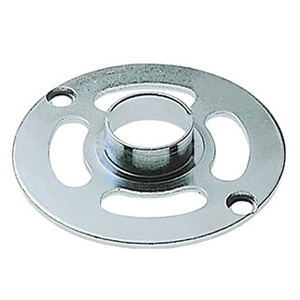
Festool Router Jigs
Festool router jigs take the guesswork out of repeat routing, hinge recesses and template work when the finish needs to be clean and bang on.
If you are cutting hinges, copying shapes or knocking out repeat work in a joinery shop or on a fit-out, a proper Festool routing jig saves time and stops costly wander. Pair them with Festool 18V Routers Trimmers and the right Festool Router Bits to keep every cut square, clean and consistent.
What Are Festool Router Jigs Used For?
- Routing hinge mortises into doors, frames and cabinet work is where a Festool routing jig earns its keep, especially when you need repeated recesses to match without fettling every one by hand.
- Following a Festool router template for shaped panels, cut-outs and copied parts keeps workshop batches consistent, which matters when you are making multiple pieces that all need to fit first time.
- Trimming and guiding edge work on fitted furniture, worktops and joinery components is cleaner with a Festool woodworking jig because it keeps the router tracking true instead of drifting off line.
- Setting out accurate recesses and grooves during second fix or bench joinery is quicker with a Festool precision routing jig, cutting down measuring errors and wasted boards.
Choosing the Right Festool Router Jig
Sorting the right one is simple: match the jig to the cut you need to repeat, not just the router you already own.
1. Hinge Work or General Template Work
If you are mainly hanging doors or fitting ironmongery, go straight for a Festool hinge mortising jig that is built for accurate recesses. If your work is more shaped panels, copy routing or repeat components, a broader Festool router template setup makes more sense.
2. Site Fitting or Bench Joinery
If the jig is living in the van and going room to room, keep it simple and robust with easy clamping and quick setup. If it is for workshop use, you can be fussier about adjustment because the real gain is repeat accuracy over bigger batches.
3. Router and Cutter Compatibility
Do not assume every Festool of router jig suits every router and guide bush combination. Check the base, guide setup and cutter sizes properly before you buy, otherwise you will spend half the morning making the jig work instead of cutting.
4. One Off Jobs or Repeat Production
If you only need the jig for occasional fitting work, buy for speed of setup and clear reference points. If you are doing repeat doors, panels or carcass parts every week, choose a Festool precision routing jig that holds settings properly and saves you remeasuring.
Who Uses These Festool Router Jigs?
- Joiners and cabinet makers use Festool router jigs for repeatable hinge gains, recesses and template work where one loose pass can ruin an expensive board.
- Shopfitters rely on a Festool routing jig when fitting doors, counters and bespoke panels on site, because it keeps cuts consistent even when time is tight.
- Kitchen fitters reach for a Festool woodworking jig when trimming fillers, shaping panels and sorting neat cut-outs that need to look right first time in a finished room.
- Bench joinery teams often keep these alongside Festool Routing kit so the same setup can be used across repeat jobs without endless marking out.
The Basics: Understanding Festool Router Jigs
A router jig is there to control where the cutter goes. That means straighter work, repeatable recesses and far less chance of spoiling the face side of good material.
1. Template Guided Routing
Most jigs work by guiding the router or guide bush around a fixed shape. On the job, that gives you the same cut every time, whether you are recessing hinges or copying a panel profile.
2. Fixed Reference Points
The useful bit is not just the template itself but the way it registers off an edge, corner or face. That is what keeps your cut in the same place on every door, panel or component.
3. Router Bit and Guide Setup Matters
A jig is only as accurate as the cutter and guide arrangement you pair it with. Use the wrong diameter or a poor setup and your recess will be off, even if the jig itself is spot on.
Festool Router Jig Accessories That Save Time
A jig is only half the story. The right extras stop bad cuts, wasted boards and trips back to the van.
1. Router Bits
Get the cutter size the jig is designed around. Guessing with whatever bit is already in the collet is how you end up with sloppy hinge recesses and parts that need packing out.
2. Guide Bushes and Followers
These keep the router tracking the template properly. If the guide setup is wrong or worn, the cut will wander and your nice repeatable jig becomes pointless.
3. Clamps
A jig that shifts mid pass will ruin the workpiece fast. Proper clamps keep everything fixed so you are not trying to hold the template and steer the router at the same time.
4. Guided Trimmers
For lighter edge jobs and trimming tasks, Festool Guided Trimmers can be a neater option than a full size router, especially on finished panels where control matters more than brute force.
Choose the Right Festool Router Jigs for the Job
Pick the jig by the cut you need to repeat and how often you are doing it.
| Your Job | Jig Type | Key Features |
|---|---|---|
| Hanging doors and cutting hinge recesses | Hinge mortising jig | Fast edge registration, repeatable depth control, clean consistent gains |
| Making batches of identical shaped parts | Template routing jig | Fixed pattern guidance, reliable copying, reduced marking out time |
| Trimming fitted panels and worktops | Edge and guide jig setup | Stable tracking, clean edges, better control on finished surfaces |
| Workshop joinery with repeat grooves or recesses | Precision routing jig | Accurate references, holds settings well, suited to repeat bench work |
Common Buying and Usage Mistakes
- Buying a Festool router jig without checking router base and guide compatibility is a classic mistake. The fix is simple. Match the jig, guide bush and cutter setup before ordering so you are not bodging it on site.
- Using the wrong cutter diameter with a template throws the finished size out. Always work from the jig specification, otherwise your recesses end up loose or undersized.
- Skipping proper clamping to save a minute usually costs a board. If the jig moves during the cut, the edge will show it straight away, especially on finished joinery.
- Treating a one off site jig the same as a workshop production jig wastes money and setup time. Buy for the type of work you do most, not the odd job you might do once.
- Running a blunt bit through a good jig gives a poor finish and puts more load on the router. If the cut starts burning, tearing or fighting you, sort the cutter before blaming the jig.
Hinge Mortising Jigs vs Template Jigs vs Edge Guide Setups
Hinge Mortising Jigs
Best when you are fitting doors and need quick, repeatable hinge gains without marking every recess by hand. More specialised than general templates, but much faster for ironmongery work.
Template Jigs
The better choice for copying shapes, routing repeat panels and batch joinery parts. They give you more flexibility than a hinge jig, but setup matters more if you want dead accurate results.
Edge Guide Setups
Good for straight grooves, rebates and guided trimming where you are working from an edge rather than a full template. Handy on site, but not the tool for repeated shaped cuts or hinge recesses.
Maintenance and Care
Keep Faces Clean
Brush off dust, chips and resin after use so the jig sits flat next time. Even a bit of packed debris underneath can throw your recess out.
Check Guides and Edges
Look over guide edges, bushes and contact points for knocks or wear. If the reference edge is damaged, accuracy goes with it.
Store Flat and Protected
Do not chuck jigs loose under heavy gear in the van. Store them flat so they do not warp or get bent out of true between jobs.
Replace Worn Consumables
If your cutters, guide bushes or fixings are worn, replace them before the next run. A sound jig cannot make up for sloppy accessories.
Why Shop for Festool Router Jigs at ITS?
Whether you need a Festool routing jig for hinge work, template routing or repeat bench joinery, we stock the proper range in one place, including Festool Other Woodworking Jigs. It is all held in our own warehouse and ready for next day delivery, so you can get the right jig on site without hanging about.
Festool Router Jig FAQs
What router jigs does Festool make?
Festool make router jigs for accurate, repeatable woodworking tasks such as hinge mortising, template routing and guided trimming work. The exact range varies, but the idea is the same throughout. They are built to help you cut the same recess, profile or shape cleanly without setting out every piece from scratch.
Are Festool router jigs compatible with other router brands?
Some can be used with other routers, but do not assume they all will. The sticking point is usually the base, guide bush or cutter setup rather than the jig itself. Check measurements and fixing details properly first, because a near enough fit is how you end up with a recess that is not where it should be.
What is the Festool router jig used for?
A Festool router jig is used to guide the router for accurate repeated cuts. That can mean hinge gains in doors, copied shapes in panels, grooves in joinery parts or trimming operations where the cut needs to stay true and consistent from one workpiece to the next.
How precise are Festool router jigs?
They are very precise when the jig is clamped properly and matched with the right router, guide bush and cutter. In real terms, they take out a lot of the drift and guesswork you get freehand. Just remember the jig cannot rescue a bad setup or a blunt bit.
Do I need a special router bit for a Festool routing jig?
Usually you need the cutter size the jig was designed around, not just any bit that fits the collet. That is what keeps the finished recess or template cut true. If you are unsure, check the jig spec before buying the cutter.
Are these worth it for site work, or only for the workshop?
They are well worth it on site if you are repeating the same cut more than once, especially doors, panels and fitted joinery. For one rough cut, maybe not. For neat repeat work where a mistake costs time and material, they pay for themselves quickly.