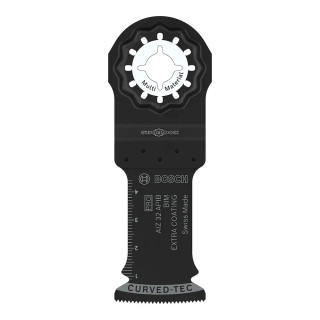
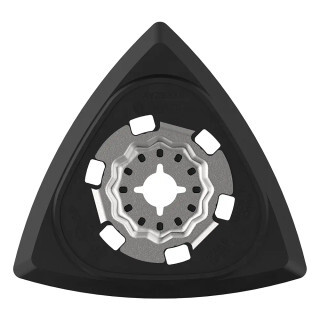
Bosch Pro Multi Tool Blades & Accessories
Trimming door linings or cutting out damaged boards? Bosch professional multi tool blades tackle awkward cuts in fitted materials.
Choose the blade for the material, then check its mounting system against your machine. Joiners, sparkies and maintenance teams need different teeth for timber, metal and abrasive materials. Pick the right fit before buying.
What Are Bosch Professional Multi Tool Blades Used For?
- Trim timber door linings in place so new flooring can slide underneath without removing the frame.
- Cut openings in plasterboard for back boxes and access panels, after checking the cutting area for concealed services.
- Remove damaged sections of fitted timber with controlled plunge cuts where a circular saw cannot reach.
- Cut exposed nails or screws during refurbishment using a blade specifically rated for the metal involved.
- Remove grout between tiles with a suitable abrasive accessory, or sand internal corners with a compatible sanding attachment.
Choosing the Right Bosch Professional Multi Tool Blades
Check the mounting system first, then match the cutting edge to what is actually inside the material.
1. Mounting Compatibility
Check whether your machine accepts Starlock, StarlockPlus, StarlockMax or an older mounting pattern. These are not interchangeable in every direction. A blade with the right teeth is still wasted money if your tool cannot hold it.
2. Timber, Metal or Abrasive Material
For clean timber, choose a wood-cutting blade. If you expect hidden nails, use a blade explicitly rated for nail-embedded wood. Hardened screws, grout and cement-based materials need their own suitable cutting edges; do not assume a general wood-and-metal blade covers them.
3. Blade Width and Reach
Choose a narrow plunge blade for small openings and a wider blade for straight trimming where access allows. Check usable cutting depth before buying for thick linings or recessed work, and avoid unnecessary reach that makes the cut harder to control.
4. Individual Blades or a Mixed Set
A Bosch professional multi tool blade set makes sense for maintenance work across several materials. For repeated cuts in the same stock, buy the correct individual blade rather than another mixed pack. Browse Bosch Professional Multi Tool Blades to replace the profiles you actually use.
Who Uses Bosch Professional Multi Tool Blades?
Joiners and flooring fitters use these blades to trim linings and alter fitted timber without dismantling the surrounding work. Sparkies use them for controlled plasterboard cut-outs, while maintenance teams carry material-specific blades for repairs involving timber, fixings and tiled surfaces.
The Basics: Understanding Oscillating Multi Tool Blades
Bosch professional oscillating multi tool blades move through a small side-to-side arc rather than rotating. That allows plunge cuts and trimming close to fitted surfaces, provided the blade shape and mounting system suit the job.
1. Small Movement, Controlled Cuts
The cutting edge works across a short stroke, helping you cut into a board without starting from an exposed edge. Let the teeth clear waste rather than leaning on the tool; excess pressure creates heat and slows progress.
2. Starlock Mounting Levels
Starlock machines accept Starlock accessories. StarlockPlus machines also accept StarlockPlus accessories, while StarlockMax machines accept all three levels. Higher-level accessories do not fit lower-level machines. Check the model specification when pairing blades with Bosch Professional Multi Tools.
Multi Tool Accessories for Cutting and Finishing
The right supporting accessories let you finish the repair without damaging the surrounding work.
1. Sanding Pads and Matching Abrasives
A compatible detail sanding pad reaches corners that a round sander misses. Choose Bosch Professional Multi Tool Sanding Attachments with the right pad shape, fixing and abrasive grade, rather than forcing an oversized sheet around the edges.
2. Compatible Depth Stops
Where your tool supports one, a depth stop helps limit penetration during repeated shallow cuts. Check tool and blade compatibility before ordering, and still check for concealed services; a stop does not make an unchecked wall safe to cut.
Choose the Right Bosch Professional Multi Tool Blade for the Job
Match the material and cut shape, then confirm the mounting fit.
| Your Job | Blade or Accessory Type | Key Features |
|---|---|---|
| Trimming clean timber door linings | Wood plunge-cut blade | Suitable width and enough usable cutting depth for the lining. |
| Cutting timber containing nails | Blade rated for nail-embedded wood | Explicit timber-and-nail suitability, not just a wood-cutting label. |
| Cutting exposed metal fixings | Metal-cutting blade | Rating suited to the fixing material, hardness and thickness. |
| Removing grout around damaged tiles | Grout-removal accessory | Abrasive edge and cutting width suited to the joint. |
| Sanding into internal corners | Detail sanding attachment | Compatible pad, matching sheets and the correct grit sequence. |
Common Buying and Usage Mistakes
- Buying by brand alone can leave you with the wrong mounting pattern. Check the machine model and accessory interface before ordering.
- Using a clean-wood blade on concealed nails can strip the teeth. Inspect reclaimed timber and choose a blade rated for embedded fixings.
- Forcing a slow cut builds heat and wears the cutting edge. Reduce pressure, clear waste and check whether the blade is blunt or unsuitable.
- Choosing a blade wider than the opening risks cutting past your marks. Use a narrower profile for back boxes, notches and small repairs.
Plunge-Cut Blades vs Segment Blades vs Sanding Attachments
Plunge-Cut Blades
Choose these for entering the face of a board, making rectangular openings and trimming in restricted spaces. They suit local repairs, but a multi tool is not the efficient choice for long board cuts; use an appropriate saw and matching Bosch Professional Saw Blades for that work.
Segment Blades
A curved segment profile suits trimming and cutting along accessible edges. It offers a different approach angle from a straight plunge blade, but is less useful for narrow rectangular openings. The edge material still needs to match the workpiece.
Sanding Attachments
Use a detail sanding attachment to finish corners and small repair areas after cutting. It replaces the cutting blade rather than cutting itself, and is not a substitute for a larger sander on doors or broad panels.
Maintenance and Care
Clear the Cutting Edge
Disconnect the power supply before removing accessories. Let hot blades cool, then brush away trapped dust and debris so you can inspect the teeth properly.
Keep the Mounting Area Clean
Remove debris from the blade interface and tool holder before fitting. Check the accessory is seated and locked as the tool instructions require; do not run it loose.
Store Blades Dry and Separated
Keep blades in a divided case rather than loose among screws and drill bits. Dry damp accessories before storage to reduce corrosion and protect exposed cutting edges.
Replace Damaged Accessories
Replace blades with cracks, distortion, damaged mounts or badly worn teeth. If cutting takes noticeably more force, check the edge and material rating rather than pushing harder.
Why Shop for Bosch Professional Multi Tool Blades at ITS?
ITS stocks the full range of Bosch professional multi tool accessories, covering cutting blades, replacement profiles, sets and sanding attachments. The range is held in our own warehouse, with in-stock items ready for next-day delivery, subject to order cut-off and delivery area. Find the accessories you need alongside the wider Bosch Pro range.
Bosch Professional Multi Tool Blade FAQs
What blades fit a Bosch multi tool?
It depends on the model and mounting system. Starlock machines take Starlock accessories, StarlockPlus machines take Starlock and StarlockPlus, and StarlockMax machines take all three levels. Older Bosch machines can use different interfaces, so check the model instructions and blade compatibility rather than relying on the Bosch name alone.
What is a multi tool used for?
An oscillating multi tool handles controlled cutting, trimming, scraping and detail sanding with the appropriate accessory. Typical jobs include trimming door linings, cutting plasterboard openings and removing grout. It is particularly useful around fitted materials, but is slower than a dedicated saw for long cuts.
Are Bosch multi tool blades universal fit?
No. Some Bosch blades fit several brands, but that does not make every blade compatible with every oscillating tool. Check the mounting standard and the accessory's stated compatibility. Do not assume an adaptor will make a StarlockPlus or StarlockMax blade suitable for a lower-level machine.
Are Bosch multi tool blades any good?
They are a sound trade choice when the blade matches the material and machine. The important differences are the cutting-edge material, tooth pattern and intended application. A timber blade will still wear quickly against unsuitable fixings, and even a carbide blade needs the correct material rating and controlled feed pressure.
Where are Bosch tools made?
Bosch manufactures tools and accessories in several countries; there is no single country of manufacture for the whole range. The origin varies by product. Check the marking on the tool, blade or packaging if country of manufacture matters to your purchase.