Bosch Pro Saw Blades
Ripping joists or trimming panels? Bosch Professional saw blades need matching to the material and the saw.
Chippies, fitters and maintenance teams need different teeth for clean timber, sheet materials and metal. Check the fitting, cutting capacity and speed rating before ordering. Choose the blade for your next job below.
What Are Bosch Professional Saw Blades Used For?
- Cut joists, studs and roofing battens to length during first fix with a wood blade suited to the saw and timber thickness.
- Trim plywood, MDF and laminated panels during fit-out, choosing a fine-cut blade and supporting the sheet to reduce breakout.
- Cut curves and service openings in boards with a jigsaw blade narrow enough for the required radius and long enough for the material.
- Remove old frames and studwork during refurbs with a reciprocating blade rated for the material, including embedded nails where specified.
- Cut pipe, channel and metal sections with a metal-rated blade, matching tooth pitch and cutting speed to the section being cut.
Choosing the Right Bosch Professional Saw Blades
Buy for the saw, the material and the finish you need; matching the Bosch name alone is not enough.
1. Check the Saw Fitting First
For a Bosch Professional circular saw blade, match the approved diameter, bore, blade thickness and kerf requirements in your saw manual. Check shank type for jigsaws and reciprocating saws, and exact blade dimensions for band saws. If you are choosing a machine as well, check the specifications of Bosch Professional Saws before adding blades.
2. Match the Blade to the Actual Material
Choose a Bosch Professional wood saw blade for clean timber, but check separately for laminates, abrasive boards or nail-embedded wood. For a Bosch Professional metal saw blade, confirm whether it suits steel, stainless steel or non-ferrous metal. A blade marked for aluminium is not automatically suitable for steel.
3. Choose Speed or Finish
If you are ripping framing timber, a suitable lower-tooth-count circular blade clears chips efficiently. For visible crosscuts and sheet edges, choose a finer-cutting blade designed for that material. On jigsaw, reciprocating and band saw blades, match tooth pitch to material thickness rather than simply buying the finest teeth available.
4. Check Speed and Cutting Capacity
Never fit a circular blade whose maximum rated speed is below the saw's operating speed. For reciprocating work, allow enough blade length to remain through the workpiece throughout the stroke. Longer is not always better: unnecessary overhang makes controlled cutting harder.
Who Uses Bosch Professional Saw Blades?
Chippies and roofers use wood-cutting blades for first-fix timber, while kitchen fitters and joiners choose finer-cutting options for visible panel edges. Sparks, plumbers and maintenance teams use jigsaw, reciprocating and band saw blades for service openings, pipework and strip-out, checking the blade rating before cutting mixed materials.
The Basics: Understanding Saw Blade Teeth
Tooth material, spacing and shape determine how a blade cuts. They matter more than choosing by blade size alone.
1. TCT Describes the Cutting Tips
TCT means tungsten carbide tipped. On a Bosch Professional TCT saw blade, carbide tips provide hard-wearing cutting edges, but the tooth design still determines which materials it can cut. TCT does not mean suitable for every metal or for timber containing nails.
2. Tooth Spacing Controls the Cut
Coarser teeth leave more room for waste, which helps with fast cuts in thicker timber. Finer teeth give thinner sections more support and can improve finish, but can clog or cut slowly when used on unsuitable thick material. Follow the blade's stated application and thickness range.
Saw Blade Accessories for Cleaner Cuts and Safer Storage
Protect the cutting edges between jobs and deal with resin build-up before it starts dragging through timber.
1. Blade Cases and Storage Wallets
Use a case suited to the blade type rather than leaving loose blades under the tools. Separate compartments protect teeth from knocks and stop sharp edges catching your hands when searching the van.
2. Suitable Saw Blade Cleaner
A cleaner approved for the blade and its coating helps remove resin from wood-cutting circular blades. Follow its instructions and use a suitable brush; aggressive scraping can damage cutting edges.
Choose the Right Bosch Professional Saw Blades for the Job
Start with the cut you need, then check the individual blade against your machine.
| Your Job | Blade Type | Key Features |
|---|---|---|
| Rip structural timber during first fix | Wood-cutting circular saw blade | Ripping tooth pattern, suitable kerf, correct diameter and bore |
| Trim visible plywood or laminated panel edges | Fine-cut circular saw blade | Material-specific tooth geometry and finish rating |
| Cut curves and sink openings in boards | Jigsaw blade | Correct shank, suitable cutting length and curve-cutting capability |
| Strip out timber containing fixings | Nail-embedded wood reciprocating blade | Explicit nail-cutting rating and sufficient working length |
| Cut metal pipe and sections with a band saw | Metal-cutting band saw blade | Exact machine dimensions and tooth pitch matched to wall thickness |
Common Buying and Usage Mistakes
- Buying by brand alone can leave you with the wrong bore, shank or band length. Match the blade specification to the saw manual before ordering.
- Using a clean-wood blade on reclaimed timber risks damaged teeth when it meets hidden fixings. Inspect the timber and choose a blade specifically rated for embedded nails where needed.
- Assuming any metal blade will cut any metal leads to overheating and rapid wear. Check both the metal type and the permitted thickness range.
- Forcing a blunt or unsuitable blade through the work increases heat and can make the saw bind. Stop, isolate the machine and check blade condition, material suitability and workpiece support.
Circular vs Jigsaw vs Reciprocating vs Band Saw Blades
Circular Saw Blades for Straight Cuts
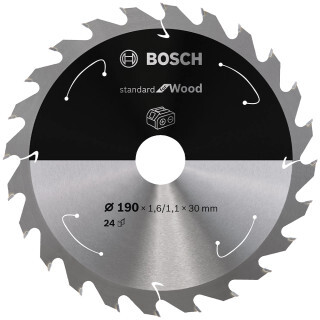
Bosch Professional Circular Saw Blades suit straight ripping and crosscutting with a compatible saw. Choose these for timber preparation and sheet cutting, not curves or awkward demolition cuts.
Jigsaw Blades for Curves and Openings
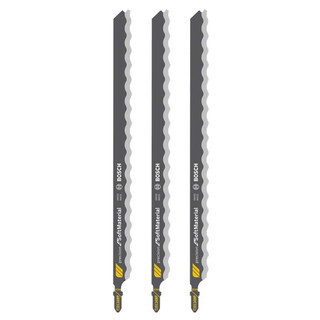
Bosch Professional Jigsaw Blades suit shaped cuts and internal openings started through a suitable entry hole. They offer more manoeuvrability than circular blades, but thick material and tight turns can cause blade deflection.
Reciprocating Blades for Strip-Out
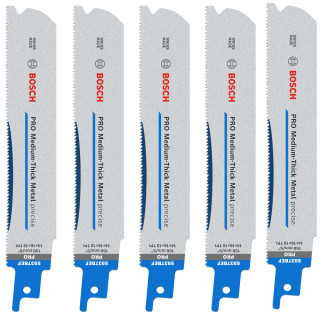
Bosch Professional Reciprocating Saw Blades suit removing frames, cutting pipework and breaking down assemblies when matched to the material. They are useful where access is awkward, but are not the first choice for a finished joinery edge.
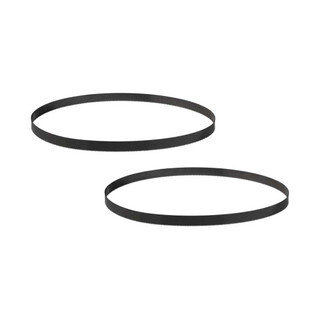
Band Saw Blades for Metal Sections
Bosch Professional Band Saw Blades suit controlled cutting of compatible pipe and sections. Choose them for a matching band saw, checking exact dimensions and tooth pitch; they cannot substitute for straight reciprocating blades.
Maintenance and Care
Clean Off Build-Up
Isolate the saw before removing the blade. Clear resin and packed debris using a suitable cleaner and brush, following the blade manufacturer's instructions.
Inspect Before Refitting
Check for cracks, missing tips, bent bodies and damaged fittings. Do not straighten a damaged blade and put it back to work; remove it from service.
Store Dry and Separate
Dry blades before storage and keep them in protective sleeves or cases away from damp van floors. Do not stack loose circular blades where their carbide tips can knock together.
Know When to Replace
Burning, increased cutting effort and worsening finish can indicate wear, contamination or an unsuitable setup. Check the cause first. Suitable TCT circular blades may be professionally sharpened; replace worn disposable blades and have any structural damage assessed before further use.
Why Shop for Bosch Professional Saw Blades at ITS?
ITS stocks the full Bosch Professional saw blade range across circular, jigsaw, reciprocating and band saw types, with sizes and cutting options for timber, boards and metal. Stock is held in our own warehouse, ready for next-day delivery. Check the individual listing for the specification and current availability before ordering.
Bosch Professional Saw Blade FAQs
What saw blade do I need for wood?
Start with a wood-rated blade that fits your saw. For circular sawing, choose a ripping blade for cutting along the grain or a suitable crosscut or fine-cut blade for cleaner edges. MDF, laminate and nail-embedded timber need their own suitability checks; a general timber blade is not automatically right for all three.
What does TCT mean on a saw blade?
TCT means tungsten carbide tipped. The teeth have hard carbide cutting tips attached to the blade body. This describes their construction, not universal material compatibility: check the stated application before cutting metal, abrasive boards or reclaimed timber.
What size saw blade fits my Bosch saw?
Use the exact saw model number to check its manual. Circular saws require the approved diameter, bore, thickness and kerf, plus a blade speed rating suitable for the machine. Jigsaws and reciprocating saws require the correct shank and working length; band saws require the specified band dimensions. Do not assume all Bosch saws use the same fitting.
Are Bosch saw blades any good?
They are a practical trade option when you choose the correct blade specification. The useful distinction is the intended application: fast timber cutting, clean panel work and metal cutting need different teeth and blade construction. The wrong Bosch blade will still give a poor cut, so judge the material rating, fit and required finish rather than the badge alone.
Where are Bosch tools made?
Bosch is a German company with manufacturing operations in several countries. Tools, blades and accessories do not all share one country of manufacture. If origin matters for your purchase, check the marking on the specific product or its packaging rather than assuming it is made in Germany.