




Bosch 18V Vacuums & Dust Extractors
Clearing drill debris without a socket nearby? A Bosch Professional 18V dust extractor gives you cordless suction for clean-up and compatible tool extraction.
Fitters and maintenance teams can share compatible Bosch Professional 18V batteries across their kit. Check dust class, hose fit and wet pickup approval before buying. Choose the model that matches your work.
What Are Bosch Professional 18V Vacuums and Dust Extractors Used For?
- Clear loose drilling debris from cupboards and service areas during kitchen fitting, using a nozzle that reaches behind units.
- Extract dust from compatible power tools during refurbishment work, matching the extractor class and connection to the material and tool.
- Clean van footwells and tool storage compartments between jobs without running an extension lead out to the vehicle.
- Pick up small liquid spills during maintenance work with a model specifically approved for wet use, following its filter and collection instructions.
Choosing the Right Bosch Professional 18V Dust Extractor
Choose by dust hazard first, then capacity and portability. A bigger tank does not make a vacuum suitable for hazardous dust.
1. Match the Dust Class to the Material
If you are extracting wood dust or silica-containing construction dust, use equipment meeting the required controls for that task, normally M-class or H-class. Start with Bosch 18V M-Class Dust Extractors where M-class is specified. Do not treat an unclassified clean-up vacuum as a substitute.
2. Decide Between Carrying Size and Collection Capacity
If you move between small snagging jobs, favour a compact unit that is easy to carry with your tools. For repeated workshop clean-up, compare usable collection capacity and filter access so you are not stopping constantly to empty it.
3. Check Wet Pickup Approval
If liquid pickup is part of the job, choose a Bosch Professional 18V wet and dry vacuum explicitly approved for it. Check the required filter arrangement and remove dry collection bags where instructed. Cordless does not mean suitable for liquids.
4. Check the Battery and Supplied Kit
If buying a body-only model, make sure you already have an approved battery and charger. Compare recommended battery capacities against runtime and carrying weight, then check Bosch 18V Batteries & Chargers for a compatible setup.
Who Uses Bosch Professional 18V Vacuums and Dust Extractors?
Kitchen fitters and maintenance teams use a Bosch Professional 18V cordless vacuum for local clean-up where sockets are occupied or unavailable. Joiners and decorators need a suitably rated dust extractor for tool-connected work, checking the dust class before sanding timber or preparing painted surfaces. For teams already using compatible Bosch Professional 18V batteries, cordless cleaning also avoids adding another battery system to the van.
The Basics: Understanding Cordless Dust Extraction
Picking debris off the floor and controlling dust at a cutting or sanding tool are different jobs. Check the machine's approved use rather than relying on the word vacuum or extractor.
1. Clean-Up Versus Capture at Source
A clean-up vacuum collects material already on surfaces. Tool-connected extraction captures dust where it is produced, before more of it spreads through the room. Effective capture needs a suitable tool shroud, a secure hose connection and enough airflow.
2. Dust Class Applies to the Machine
L, M and H classifications concern the complete extractor, not just the filter fitted inside it. Adding a finer filter to an ordinary vacuum does not turn it into an M-class extractor. Follow the task's risk assessment and specified dust controls.
Accessories for Cordless Cleaning and Extraction
The right hose fittings and collection consumables prevent poor connections and unnecessary stops.
1. Compatible Hoses, Adaptors and Nozzles
Check Bosch 18V Dust Extractor Accessories against your exact model. A correctly sized adaptor keeps the hose attached to the tool, while a crevice nozzle reaches behind cabinets without forcing the hose into the gap.
2. Model-Matched Dust Bags
Where the machine uses bags, keep the correct replacements available before starting. Match Bosch Dust Bags to the model and application; the wrong bag can fit badly or interfere with collection. Follow the specified disposal procedure for hazardous dust.
Choose the Right Bosch 18V Vacuum for the Job
Match the machine's approved use to the material you need to collect.
| Your Job | Vacuum or Extractor Type | Key Features |
|---|---|---|
| Small snagging jobs and vehicle cleaning | Compact cordless dry vacuum | Low carrying weight, suitable nozzles and accessible collection container |
| Repeated workshop clean-up of suitable debris | Larger-capacity cordless vacuum | Usable container capacity, hose reach and straightforward filter servicing |
| Tool-connected wood or masonry dust extraction | Suitably rated M-class or H-class extractor | Required dust classification, compatible connection and airflow monitoring where specified |
| Small liquid spills | Approved cordless wet and dry vacuum | Wet pickup approval, correct filter setup and stated liquid capacity |
Common Buying and Usage Mistakes
- Buying by suction figures alone overlooks dust classification. Check the required class before using a machine for wood, concrete or brick dust.
- Assuming every Bosch dust extractor hose fits every tool leads to loose connections and escaped dust. Check the port size and approved adaptor before starting.
- Buying a body-only unit without checking battery compatibility can leave you unable to use it. Confirm the approved battery range and what is included.
- Collecting liquids with a dry-only vacuum risks damage. Use a wet-approved model and follow its changeover instructions.
Compact Dry Vacuum vs Wet and Dry Vacuum vs Rated Extractor
Compact Cordless Dry Vacuum
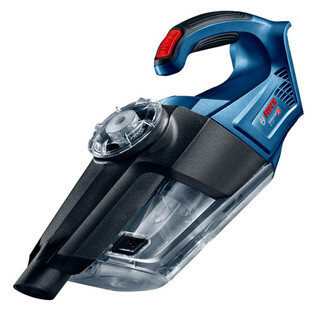
Choose this for carrying between rooms and small clean-up jobs involving suitable dry debris. It saves carrying a larger machine, but limited capacity means more emptying. Do not assume it provides hazardous dust control.
Cordless Wet and Dry Vacuum
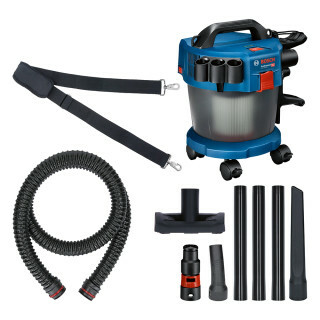
Choose this when maintenance work includes approved liquid pickup as well as dry cleaning. Expect a larger container and check changeover requirements. Wet capability does not establish its dust class.
Dust-Classified Extractor
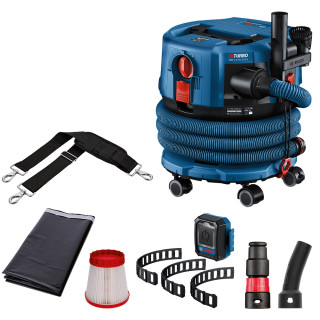
Choose a suitably classified extractor when the task requires controlled collection of hazardous dust. For use with Bosch 18V Sanders, verify the hose connection and required dust class. Classification alone cannot compensate for a poor tool connection.
Maintenance and Care
Keep Filters Serviceable
Remove the battery before servicing. Clean or replace filters as instructed for the model; do not wash a filter unless permitted or blow hazardous dust out with compressed air.
Check Hoses and Seals
Inspect the hose, latches and container seals when suction drops. Clear blockages safely and replace split hoses or damaged seals rather than working with leaks.
Empty Before Overfilling
Keep within the stated collection limits. Follow the required bagging and disposal method for the material rather than tipping collected dust into an open site bin.
Dry After Wet Pickup
After approved wet use, empty and clean the container, then let the appropriate components dry before storage or returning to dry collection. Store the machine and batteries somewhere dry and secure.
Shop Bosch Professional 18V Vacuums and Dust Extractors at ITS
Shop the Bosch Professional 18V vacuum and dust extractor range at ITS, with batteries, compatible fittings and collection consumables to complete your setup. Stock is held in our own warehouse, with in-stock lines ready for next-day delivery. Check individual listings for current availability, supplied accessories and delivery options.
Bosch Professional 18V Dust Extractor FAQs
What is the difference between a vacuum and a dust extractor?
A vacuum generally collects debris during clean-up. A tool-connected dust extractor captures dust at source and may carry a dust classification for particular hazards. The names overlap, so check the actual machine's classification, airflow requirements and approved applications rather than choosing by its name.
Does the Bosch dust extractor connect to power tools?
Models designed for tool extraction can connect to compatible dust ports using the correct hose or adaptor. Check both the extractor and tool specifications. Connection does not necessarily provide automatic starting; remote or automatic activation depends on the model and any required accessories.
Is the Bosch dust extractor L or M class?
It depends on the exact model. Bosch produces differently classified extractors, and some cordless clean-up vacuums have no L or M classification. Confirm the rating on the product specification and machine label. Do not infer it from battery voltage, filter description or wet and dry capability.
Are Bosch dust extractors any good?
They are worth considering if the model meets your dust-control requirements and you already use compatible Bosch Professional 18V batteries. Judge the individual machine by dust class, runtime, usable capacity and hose compatibility. A compact cordless vacuum is useful for local cleaning, but it is not automatically the right choice for continuous extraction.
Where are Bosch tools made?
Bosch manufactures tools in several countries, and the country of manufacture varies by product. Check the tool's rating plate or packaging for the specific unit. The Bosch brand name does not mean every tool is manufactured in Germany.