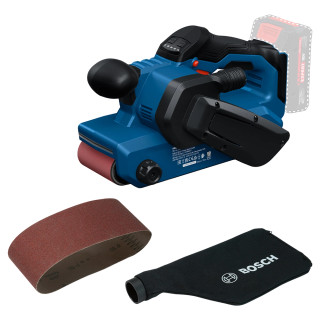
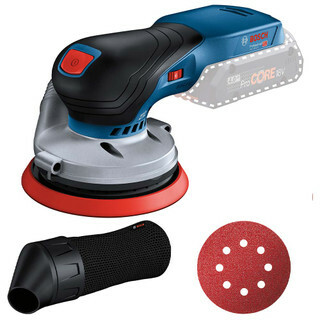
Bosch 18V Sanders
Bosch 18V sanders are built for snagging, prep and finish work where cords just get in the way and dust control still matters on site.
If you're rubbing down filler, trimming back painted timber or finishing fitted joinery, a bosch 18v sander saves dragging leads through a client's house. Bosch Professional keeps the range practical for real trade use, with solid extraction, decent runtime and pads that stay put. Pick the right bosch cordless sander 18v for the surface and get the job moving.
What Jobs Are Bosch 18V Sanders Best At?
- Rubbing down filled walls, woodwork and patched areas before paint helps decorators keep prep tidy without trailing cables through finished rooms.
- Sanding doors, skirting, architrave and stair parts on second fix gives chippies a cleaner finish before stain, lacquer or final coat goes on.
- Flattening small high spots on fitted panels, cabinets and site-made joinery makes a bosch professional sander handy when you need control without gouging the face.
- Working in refurbs, lofts and occupied properties is easier with a trade cordless sander because you can move room to room quickly and hook up extraction where dust needs keeping down.
- Cleaning up timber edges, feathering paint and keying surfaces between coats makes a bosch orbital sander a proper time-saver on repeat finishing jobs.
Choosing the Right Bosch 18V Sander
Sorting the right one is simple: match the pad shape and sanding action to the surface, not just the badge on the tool.
1. Orbital for Finish Work
If you're mainly sanding doors, panels, trims and painted timber, go for a bosch orbital sander. It gives a cleaner, more even finish and is the better shout for decorating, joinery and general prep between coats.
2. Runtime Matters More Than You Think
If you're only doing quick snagging and touch-ups, a compact battery setup is fine. If the sander is in your hand most of the day, use larger Bosch 18V batteries or you'll spend half the shift swapping packs instead of sanding.
3. Dust Control Is Not Optional Indoors
If you're working in finished houses, schools or office refurbs, buy with extraction in mind. A bosch cordless sander 18v with proper dust collection saves clean-up time and keeps you in better nick on enclosed jobs.
4. Match the Abrasive to the Job
Do not just grab whatever sheet is lying about. Coarser grits strip back quickly but leave more scratch, while finer grits are what you want for finishing timber, keyed paintwork and final prep before coating.
Who Uses These on Site?
- Decorators reach for a sander for decorators when they are flattening filler, keying gloss and getting woodwork ready for a clean top coat without filling the room with dust.
- Chippies use a woodworking sander on doors, frames, handrails and fitted units, especially on second fix where quick clean-up and a decent finish both matter.
- Kitchen fitters and joiners keep a bosch pro 18v sander in the van for easing edges, blending touch-ups and sorting small marks on panels once everything is in place.
- Maintenance teams and snagging crews use battery sander models for quick remedial work in occupied buildings where leads are a nuisance and jobs need doing fast.
The Basics: Understanding Bosch 18V Sanders
These tools all remove material by moving the abrasive pad, but the sanding pattern and pad shape decide how cleanly they finish and where they work best. Here is the simple version.
1. Orbital Action for a Cleaner Finish
A bosch orbital sander moves in tight patterns to smooth the surface without the heavy scratch marks you get from rougher stock removal tools. That is why it suits decorating prep, joinery finishing and sanding between coats.
2. Pad Shape Changes Where You Can Work
Round and rectangular pads are better for open faces like doors, shelves and panels. Detail shapes are the better option when you need to get into corners, along edges or around fitted work without leaving untouched spots.
3. Extraction Keeps the Finish Honest
When dust is pulled away from the pad, the abrasive keeps cutting properly and you can actually see the surface you're working on. That means fewer swirl marks, less clogging and less mess to sort at the end of the job.
Bosch 18V Sander Accessories That Save Time on Site
The right extras stop your sander sitting idle and make a real difference to finish quality and dust control.
1. Bosch Sanding Pads & Sheets
Keep a proper mix of grits in the van so you are not trying to finish timber with worn out coarse paper. Bosch Sanding Pads & Sheets make it easier to move from stock removal to final prep without bodging the job.
2. Bosch Sanding Discs
If your bosch 18v sander uses round pads, spare Bosch Sanding Discs are a no-brainer. Fresh discs cut quicker, clog less and stop you leaning on the tool just because the abrasive is spent.
3. Bosch Sanding Sheets
For sheet sanders and detail work, Bosch Sanding Sheets save you from trimming down the wrong paper and hoping it stays put. Buy the right size and hole pattern and the extraction works properly.
4. Bosch Dust Extractors & Vacuums
Hooking up Bosch Dust Extractors & Vacuums saves a load of sweeping at the end and keeps dust out of finished rooms. If you are sanding indoors all week, it is one of those add-ons you will wish you bought sooner.
Choose the Right Bosch 18V Sander for the Job
Use this quick guide to sort the right sander for the work in front of you.
| Your Job | Bosch 18V Sander or Type | Key Features |
|---|---|---|
| Keying painted woodwork between coats | Orbital sander | Fine finish, controlled sanding action, good dust extraction |
| Snagging doors, skirting and fitted trims | Compact battery sander | Cordless access, easy one handed use, quick pad changes |
| Sanding flat panels and cabinet parts | Random orbital or finishing sander | Even surface finish, less visible scratch pattern, steady stock removal |
| Working into corners and awkward detail areas | Detail sander | Pointed pad shape, better edge access, suited to tight spots |
| Indoor refurb and occupied property work | Sander with extractor connection | Dust port, cleaner rooms, less airborne dust during prep |
Common Buying and Usage Mistakes
- Buying on battery platform alone and ignoring pad type is a common mistake. If the pad shape does not suit the job, you will fight the tool and the finish will show it.
- Using the wrong grit to save time usually does the opposite. Too coarse leaves scratches to sort out later, while too fine just polishes dirt and old paint instead of cutting properly.
- Running without extraction indoors fills the room, clogs the abrasive and hides the surface. Hook up a vacuum where you can and wear Masks, Face Sheilds & Respirators when the dust is hanging about.
- Pressing down too hard because the sheet has gone blunt overheats the pad and slows the job down. Change the abrasive when it stops cutting and let the sander do the work.
- Not checking sheet size and hole pattern before buying replacements leads to poor fit and weak dust pickup. Match the abrasive to the machine or you are wasting both paper and time.
Orbital Sanders vs Detail Sanders vs Sheet Sanders
Orbital Sanders
Best for general finishing on doors, panels, timber trim and painted surfaces. If you want one all-round bosch 18v sander for decorating and carpentry, this is usually the safest bet.
Detail Sanders
Made for corners, narrow edges and awkward fitted work where larger pads miss bits. Handy for snagging and touch-up work, but slower on broad flat faces.
Sheet Sanders
A good shout for flatter finishing work and straightforward prep, especially when you want easy abrasive changes. They are practical on woodwork and filler sanding, but not as versatile in tight detail areas.
Which One Should You Buy?
Go orbital for the broadest trade use, detail for corners and fiddly trim, and sheet sanders when flat prep is the main task. The right choice comes down to surface shape and finish standard, not just price.
Maintenance and Care
Clear the Dust Ports
Fine dust builds up fast in collection boxes, filters and extraction ports. Empty and clear them regularly or the pickup drops off and the sander starts throwing dust everywhere.
Check the Backing Pad
If the hook and loop face is worn, sheets stop gripping properly and can start lifting at the edges. Replace tired pads before they ruin abrasive and mark the workpiece.
Do Not Store It Caked in Dust
Give the tool a quick blow off or wipe down before it goes back in the van or box. Packed dust gets into vents, switches and battery connections and shortens the life of the tool.
Use Fresh Abrasives
Blunt paper makes you press harder, creates more heat and wears the machine out faster. Once the sheet stops cutting cleanly, swap it instead of forcing the job.
Keep Batteries Out of Damp and Dust
Bosch 18V batteries will last better if they are stored clean, dry and not left rattling around under offcuts in the back of the van. Dirty terminals and damp storage only cause grief later.
Why Shop for Bosch 18V Sanders at ITS?
Whether you need a bosch cordless sander 18v for snagging, a bosch orbital sander for finish work, or the right abrasives to keep it cutting clean, we stock the proper range. That means Bosch 18V tools, sanding accessories and trade-ready options all in one place, held in our own warehouse and ready for next day delivery.
Bosch 18V Sander FAQs
Are Bosch 18V sanders good for decorating and carpentry?
Yes. They are a solid fit for decorating prep, second fix carpentry and general snagging. A bosch 18v sander is handy for rubbing down filler, keying painted timber, smoothing trims and finishing doors or fitted joinery without dragging a lead through the building.
Which Bosch cordless sander is best for trade use?
That depends on the work. For broad day to day trade use, a Bosch orbital model is usually the best all-rounder because it handles flat surfaces, trim and finish prep well. If your jobs are mostly corners, stairs and tight fitted areas, a detail sander makes more sense.
Do Bosch 18V sanders connect to dust extractors?
Many do, yes, and it is worth checking before you buy. On indoor jobs especially, extractor connection makes a real difference to dust control, abrasive life and how clean the finish comes out. For regular site use, pairing with extraction is the sensible way to go.
What sanding sheets fit Bosch 18V sanders?
You need the right shape, size and fixing style for the exact sander. Round pads take matching discs, while sheet and detail machines need the correct cut sheets. Check the pad dimensions and hole pattern properly, because close enough usually means poor fit and worse extraction.
Are Bosch 18V sanders strong enough for full time site work?
Yes, for the jobs they are meant to do. They are built for prep, finishing, remedials and snagging rather than heavy stock stripping all day. Used with the right grit and a fresh battery, they hold up well for regular trade work.
Do I really need spare abrasives and batteries with a cordless sander?
Yes, if you want to keep moving. Most delays on sanding jobs come from dead sheets and flat batteries, not the tool itself. Keep spare paper and at least one charged pack ready, especially if you are working room to room on snagging or prep.