Site Health & Safety

Site safety equipment keeps work areas marked, protected and compliant, from barriers and cones to signs, fire points and access control kit.

If you are setting up a live job with plant moving, deliveries turning up and different trades crossing the same ground, this is the gear that stops chaos. Proper construction site safety equipment keeps routes clear, hazards visible and the site inspector off your back. You will find building site safety equipment for day one set-up, temporary works, traffic management equipment and the site safety supplies needed to keep things running. Sort the right kit now and the job stays safer, cleaner and easier to manage.

What Is Site Safety Equipment Used For?

  • Marking off excavations, welfare areas, loading zones and pedestrian routes so lads, visitors and delivery drivers are not wandering into live work areas.
  • Setting up site safety barriers, site safety cones and traffic management equipment around entrances, roadside jobs and shared access points where vehicle movement needs controlling properly.
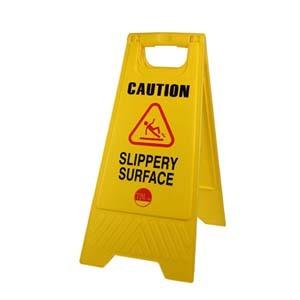
  • Fitting site safety signs around scaffolds, temporary hazards, fire points and restricted areas so the rules are clear before anyone starts asking where they should and should not be.
  • Building out fire points and emergency response stations with the right construction site fire safety equipment where cabins, hot works and stored materials raise the risk.
  • Keeping refurbs, civils jobs and new builds compliant with practical site safety supplies that make hazards obvious and access safer from first set-up to final handover.

Choosing the Right Site Safety Equipment

Sorting the right site safety equipment is simple. Match it to the hazard, the access route and how long the set-up needs to stay put.

1. Temporary Marking or Proper Separation

If you just need to flag a short-term hazard, cones and chain systems will do the job. If you are separating people from plant, open edges or live work zones, go straight to proper barriers with enough strength and visibility to stop people drifting through.

2. Indoor Site or Public Facing Area

For indoor refurbs and controlled compounds, lighter signs and portable barriers are usually enough. For roadside jobs, school works or public access areas, you need tougher traffic management equipment that stays visible and stable in bad weather and busy conditions.

3. Fire Risk Level

If the site has cabins, stored fuels, battery charging or hot works, do not treat fire kit as an afterthought. Build in the right construction site fire safety equipment from the start so extinguishers, alarms and signage are where people can actually get to them fast.

4. Reusable Kit or One Off Set-Up

If you are moving from job to job, buy robust kit that stacks well, cleans up easily and survives the back of the van. If it is a one-phase set-up on a short programme, simpler building site safety equipment may be enough so long as it still meets the site rules.

Who Uses Site Safety Equipment?

  • Site managers rely on site safety equipment to lay out safe access routes, cordon off hazards and keep the whole job looking organised when clients, inspectors and subbies are all coming through.
  • Groundworkers and civils teams use barriers, cones and road safety equipment to separate plant from foot traffic, especially around trenches, deliveries and roadside works.
  • Principal contractors and foremen use construction site safety equipment to set up fire points, muster areas and signed exclusion zones before the main trades even start.
  • Maintenance teams and facilities crews keep this kit handy for temporary closures, repair work and public-facing jobs where you need to make hazards obvious straight away.
  • Events, utilities and hire firms also use hire site safety equipment for short-term works where fast set-up, clear signage and controlled access matter more than anything fancy.

The Basics: Understanding Site Safety Equipment

This gear is not complicated, but picking the right type matters. The basic job is to warn people, guide them and physically stop them getting into the wrong place.

1. Visual Control

Signs, cones and high-visibility markers do the first part of the job. They make hazards, routes and site rules obvious at a glance, which matters when new trades, visitors or delivery drivers turn up and need to know where they are going.

2. Physical Separation

Barriers, posts and access control kit stop people or vehicles crossing into danger areas. That is what you need around excavations, scaffold zones, loading bays and places where plant is operating.

3. Emergency Response

Fire points, alarms and first response equipment are there so when something goes wrong, no one is wasting time hunting round site. Good site safety supplies make emergency gear visible, accessible and ready to use.

Site Safety Extras That Save Hassle on the Job

A few sensible extras make site safety equipment easier to deploy, harder to ignore and quicker to maintain.

1. Weighted Bases and Feet

These stop barriers and posts shifting about when the weather turns or a wagon brushes past. Worth having if you are sick of resetting the same line of barriers every morning.

2. Chain and Connector Clips

Handy for linking cones and posts into a clear run without cobbling something together. They make temporary exclusion zones look proper and stop gaps appearing where people start cutting through.

3. Sign Fixings and Mounting Brackets

No good having site safety signs if they end up face down in the mud. Proper fixings keep notices visible on fencing, barriers and temporary structures where people will actually see them.

4. Replacement Lamps and Batteries

If you use warning lights on barriers or roadside set-ups, keep spares in the van. Dead lamps on a live edge or vehicle route are the sort of small oversight that causes big grief.

Choose the Right Site Safety Equipment for the Job

Use this quick guide to sort the right kit for the risk and working area.

Your Job Category or Type Key Features
Marking a short-term hazard indoors or on a small refurb Cones and portable warning signs Fast to set out, easy to move, clear visual warning for staff and visitors
Separating pedestrians from plant and delivery routes Site safety barriers and posts Stronger physical control, better route definition, more secure than cones alone
Roadside or public-facing works Traffic management equipment High visibility, stable in poor weather, suited to vehicle movement and public access
Setting up fire points and emergency stations Construction site fire safety equipment Visible placement, compliant signage, quick access in cabins, compounds and hot work areas
Signing hazards, rules and restricted zones across site Site safety signs Clear messaging, durable construction, easy fixing to fences, barriers and access points

Common Buying and Usage Mistakes

  • Using cones where a proper barrier is needed. That is fine for marking, but it will not stop pedestrians walking straight into a live work area, so step up to physical separation where the risk calls for it.
  • Buying signs without thinking about where they will be fixed. If they cannot be mounted clearly at eye level or stay upright in weather, they will be ignored, so sort fixings and placement with the signs.
  • Forgetting fire provision until the cabins and charging stations are already in. By then you are playing catch-up, so get construction site fire safety equipment in from day one.
  • Choosing lightweight kit for exposed outdoor jobs. Cheap or flimsy barriers and markers end up blown over, broken or moved, which means wasted money and a site that looks badly run.
  • Assuming one set-up works for the whole project. Site risks change as the build moves on, so review building site safety equipment regularly and move or upgrade it to suit the phase of work.

Barriers vs Cones vs Safety Signs

Barriers

Best when you need real separation, not just a warning. Use barriers around excavations, loading areas and pedestrian walkways where people need steering away from danger, not just telling.

Cones

Good for quick visual marking and short-term works. They are easy to throw out around spills, fresh deliveries and temporary hazards, but they are not enough on their own for higher-risk zones.

Safety Signs

These tell people what the hazard is, what PPE is needed or where they should go. They are essential for instructions and compliance, but signs alone do not physically control access.

What Most Sites Actually Need

On a proper job, it is rarely one or the other. Most sites use barriers for control, cones for temporary marking and site safety signs to make the rules clear to everyone coming through the gate.

Maintenance and Care

Clean Mud and Debris Off Regularly

Barriers, cones and signs lose visibility fast once they are caked in muck. Give them a wipe down after bad weather or groundwork phases so markings and wording stay readable.

Check for Cracks and Broken Fixings

If posts, bases or brackets are split, the kit will not stay where you put it. Replace damaged parts early rather than waiting for a barrier to collapse or a sign to disappear in the wind.

Store It Properly Between Jobs

Stack barriers neatly, keep signs flat or racked, and do not just launch everything into the back of the van. Decent storage stops warping, cracking and lost fittings.

Test Fire and Warning Equipment

Anything with alarms, lamps or extinguishing function needs checking to make sure it still works when needed. Dead batteries and overdue service dates are no use in an emergency.

Replace Faded or Outdated Signage

If site safety signs are faded, damaged or no longer match the current site layout, swap them out. Old signage causes confusion and makes the whole set-up look sloppy.

Why Shop for Site Safety Equipment at ITS?

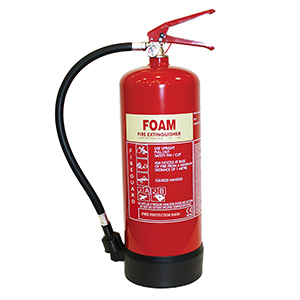
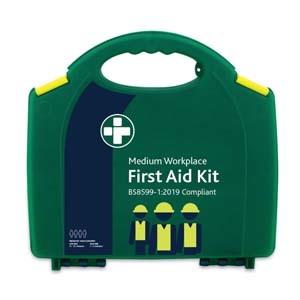
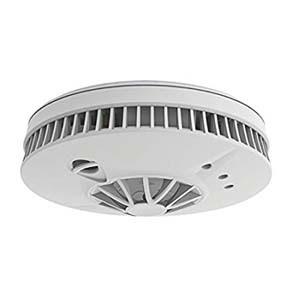
Whether you need a few cones and signs for a small refurb or full construction site safety equipment for a bigger set-up, we stock the range to cover it. That includes barriers, fire points, access control and site safety supplies across the key types trades actually use. We hold it in our own warehouse, in stock and ready for next day delivery. You can also sort essentials like First Aid Kits, Fire Extinguishers & Equipment, Fire & Heat Alarms, Safety Signs and PPE in the same place.

Site Safety Equipment FAQs

What site safety equipment is legally required on construction sites?

It depends on the job, the risks and the site rules, but in practice you will usually need clear warning signage, fire safety provision, first aid cover, safe access control and the right protective measures around hazards. There is no one box-ticking bundle that suits every site. The sensible approach is to follow the risk assessment and make sure your site safety equipment matches the actual work going on.

Do you offer site safety equipment for hire?

This page covers site safety equipment to buy rather than hire. If you are looking for hire site safety equipment for a short-term set-up, check the exact product listing and availability first. A lot of teams still buy core items because they get knocked about, need to be on hand quickly and end up used again on the next job.

What are the British standards for site safety equipment?

That varies by product type. Signs, barriers, access gear, fire equipment and PPE all have their own standards and compliance requirements, so the important thing is checking the specific item rather than assuming all site safety supplies follow one rule. If compliance matters for an audit or principal contractor check, look at the product specification and your site documentation together.

Can site safety signs be customised?

Yes, some site safety signs can be customised for site rules, traffic flow, welfare locations or contractor details. It is useful on larger jobs where standard signs do not tell the full story. Just make sure the wording stays clear, legible and in line with the recognised sign style so no one is second-guessing what it means.

Are cones enough to cordon off a dangerous area?

Not always. Cones are fine for marking out temporary hazards or guiding movement, but if there is a real risk of someone walking into danger, you want barriers or a stronger exclusion set-up. Cones warn. Barriers control.

What is the difference between road safety equipment and general site safety kit?

Road safety equipment is built around live traffic, visibility and public-facing conditions, so it tends to be tougher and more visible. General site safety kit is often aimed at controlled work areas inside compounds, refurbs or private developments. If vehicles and public access are involved, buy for that environment, not the cheapest option.
Read more

Site Health & Safety

Site safety equipment keeps work areas marked, protected and compliant, from barriers and cones to signs, fire points and access control kit.

If you are setting up a live job with plant moving, deliveries turning up and different trades crossing the same ground, this is the gear that stops chaos. Proper construction site safety equipment keeps routes clear, hazards visible and the site inspector off your back. You will find building site safety equipment for day one set-up, temporary works, traffic management equipment and the site safety supplies needed to keep things running. Sort the right kit now and the job stays safer, cleaner and easier to manage.

What Is Site Safety Equipment Used For?

  • Marking off excavations, welfare areas, loading zones and pedestrian routes so lads, visitors and delivery drivers are not wandering into live work areas.
  • Setting up site safety barriers, site safety cones and traffic management equipment around entrances, roadside jobs and shared access points where vehicle movement needs controlling properly.
  • Fitting site safety signs around scaffolds, temporary hazards, fire points and restricted areas so the rules are clear before anyone starts asking where they should and should not be.
  • Building out fire points and emergency response stations with the right construction site fire safety equipment where cabins, hot works and stored materials raise the risk.
  • Keeping refurbs, civils jobs and new builds compliant with practical site safety supplies that make hazards obvious and access safer from first set-up to final handover.

Choosing the Right Site Safety Equipment

Sorting the right site safety equipment is simple. Match it to the hazard, the access route and how long the set-up needs to stay put.

1. Temporary Marking or Proper Separation

If you just need to flag a short-term hazard, cones and chain systems will do the job. If you are separating people from plant, open edges or live work zones, go straight to proper barriers with enough strength and visibility to stop people drifting through.

2. Indoor Site or Public Facing Area

For indoor refurbs and controlled compounds, lighter signs and portable barriers are usually enough. For roadside jobs, school works or public access areas, you need tougher traffic management equipment that stays visible and stable in bad weather and busy conditions.

3. Fire Risk Level

If the site has cabins, stored fuels, battery charging or hot works, do not treat fire kit as an afterthought. Build in the right construction site fire safety equipment from the start so extinguishers, alarms and signage are where people can actually get to them fast.

4. Reusable Kit or One Off Set-Up

If you are moving from job to job, buy robust kit that stacks well, cleans up easily and survives the back of the van. If it is a one-phase set-up on a short programme, simpler building site safety equipment may be enough so long as it still meets the site rules.

Who Uses Site Safety Equipment?

  • Site managers rely on site safety equipment to lay out safe access routes, cordon off hazards and keep the whole job looking organised when clients, inspectors and subbies are all coming through.
  • Groundworkers and civils teams use barriers, cones and road safety equipment to separate plant from foot traffic, especially around trenches, deliveries and roadside works.
  • Principal contractors and foremen use construction site safety equipment to set up fire points, muster areas and signed exclusion zones before the main trades even start.
  • Maintenance teams and facilities crews keep this kit handy for temporary closures, repair work and public-facing jobs where you need to make hazards obvious straight away.
  • Events, utilities and hire firms also use hire site safety equipment for short-term works where fast set-up, clear signage and controlled access matter more than anything fancy.

The Basics: Understanding Site Safety Equipment

This gear is not complicated, but picking the right type matters. The basic job is to warn people, guide them and physically stop them getting into the wrong place.

1. Visual Control

Signs, cones and high-visibility markers do the first part of the job. They make hazards, routes and site rules obvious at a glance, which matters when new trades, visitors or delivery drivers turn up and need to know where they are going.

2. Physical Separation

Barriers, posts and access control kit stop people or vehicles crossing into danger areas. That is what you need around excavations, scaffold zones, loading bays and places where plant is operating.

3. Emergency Response

Fire points, alarms and first response equipment are there so when something goes wrong, no one is wasting time hunting round site. Good site safety supplies make emergency gear visible, accessible and ready to use.

Site Safety Extras That Save Hassle on the Job

A few sensible extras make site safety equipment easier to deploy, harder to ignore and quicker to maintain.

1. Weighted Bases and Feet

These stop barriers and posts shifting about when the weather turns or a wagon brushes past. Worth having if you are sick of resetting the same line of barriers every morning.

2. Chain and Connector Clips

Handy for linking cones and posts into a clear run without cobbling something together. They make temporary exclusion zones look proper and stop gaps appearing where people start cutting through.

3. Sign Fixings and Mounting Brackets

No good having site safety signs if they end up face down in the mud. Proper fixings keep notices visible on fencing, barriers and temporary structures where people will actually see them.

4. Replacement Lamps and Batteries

If you use warning lights on barriers or roadside set-ups, keep spares in the van. Dead lamps on a live edge or vehicle route are the sort of small oversight that causes big grief.

Choose the Right Site Safety Equipment for the Job

Use this quick guide to sort the right kit for the risk and working area.

Your Job Category or Type Key Features
Marking a short-term hazard indoors or on a small refurb Cones and portable warning signs Fast to set out, easy to move, clear visual warning for staff and visitors
Separating pedestrians from plant and delivery routes Site safety barriers and posts Stronger physical control, better route definition, more secure than cones alone
Roadside or public-facing works Traffic management equipment High visibility, stable in poor weather, suited to vehicle movement and public access
Setting up fire points and emergency stations Construction site fire safety equipment Visible placement, compliant signage, quick access in cabins, compounds and hot work areas
Signing hazards, rules and restricted zones across site Site safety signs Clear messaging, durable construction, easy fixing to fences, barriers and access points

Common Buying and Usage Mistakes

  • Using cones where a proper barrier is needed. That is fine for marking, but it will not stop pedestrians walking straight into a live work area, so step up to physical separation where the risk calls for it.
  • Buying signs without thinking about where they will be fixed. If they cannot be mounted clearly at eye level or stay upright in weather, they will be ignored, so sort fixings and placement with the signs.
  • Forgetting fire provision until the cabins and charging stations are already in. By then you are playing catch-up, so get construction site fire safety equipment in from day one.
  • Choosing lightweight kit for exposed outdoor jobs. Cheap or flimsy barriers and markers end up blown over, broken or moved, which means wasted money and a site that looks badly run.
  • Assuming one set-up works for the whole project. Site risks change as the build moves on, so review building site safety equipment regularly and move or upgrade it to suit the phase of work.

Barriers vs Cones vs Safety Signs

Barriers

Best when you need real separation, not just a warning. Use barriers around excavations, loading areas and pedestrian walkways where people need steering away from danger, not just telling.

Cones

Good for quick visual marking and short-term works. They are easy to throw out around spills, fresh deliveries and temporary hazards, but they are not enough on their own for higher-risk zones.

Safety Signs

These tell people what the hazard is, what PPE is needed or where they should go. They are essential for instructions and compliance, but signs alone do not physically control access.

What Most Sites Actually Need

On a proper job, it is rarely one or the other. Most sites use barriers for control, cones for temporary marking and site safety signs to make the rules clear to everyone coming through the gate.

Maintenance and Care

Clean Mud and Debris Off Regularly

Barriers, cones and signs lose visibility fast once they are caked in muck. Give them a wipe down after bad weather or groundwork phases so markings and wording stay readable.

Check for Cracks and Broken Fixings

If posts, bases or brackets are split, the kit will not stay where you put it. Replace damaged parts early rather than waiting for a barrier to collapse or a sign to disappear in the wind.

Store It Properly Between Jobs

Stack barriers neatly, keep signs flat or racked, and do not just launch everything into the back of the van. Decent storage stops warping, cracking and lost fittings.

Test Fire and Warning Equipment

Anything with alarms, lamps or extinguishing function needs checking to make sure it still works when needed. Dead batteries and overdue service dates are no use in an emergency.

Replace Faded or Outdated Signage

If site safety signs are faded, damaged or no longer match the current site layout, swap them out. Old signage causes confusion and makes the whole set-up look sloppy.

Why Shop for Site Safety Equipment at ITS?

Whether you need a few cones and signs for a small refurb or full construction site safety equipment for a bigger set-up, we stock the range to cover it. That includes barriers, fire points, access control and site safety supplies across the key types trades actually use. We hold it in our own warehouse, in stock and ready for next day delivery. You can also sort essentials like First Aid Kits, Fire Extinguishers & Equipment, Fire & Heat Alarms, Safety Signs and PPE in the same place.

Site Safety Equipment FAQs

What site safety equipment is legally required on construction sites?

It depends on the job, the risks and the site rules, but in practice you will usually need clear warning signage, fire safety provision, first aid cover, safe access control and the right protective measures around hazards. There is no one box-ticking bundle that suits every site. The sensible approach is to follow the risk assessment and make sure your site safety equipment matches the actual work going on.

Do you offer site safety equipment for hire?

This page covers site safety equipment to buy rather than hire. If you are looking for hire site safety equipment for a short-term set-up, check the exact product listing and availability first. A lot of teams still buy core items because they get knocked about, need to be on hand quickly and end up used again on the next job.

What are the British standards for site safety equipment?

That varies by product type. Signs, barriers, access gear, fire equipment and PPE all have their own standards and compliance requirements, so the important thing is checking the specific item rather than assuming all site safety supplies follow one rule. If compliance matters for an audit or principal contractor check, look at the product specification and your site documentation together.

Can site safety signs be customised?

Yes, some site safety signs can be customised for site rules, traffic flow, welfare locations or contractor details. It is useful on larger jobs where standard signs do not tell the full story. Just make sure the wording stays clear, legible and in line with the recognised sign style so no one is second-guessing what it means.

Are cones enough to cordon off a dangerous area?

Not always. Cones are fine for marking out temporary hazards or guiding movement, but if there is a real risk of someone walking into danger, you want barriers or a stronger exclusion set-up. Cones warn. Barriers control.

What is the difference between road safety equipment and general site safety kit?

Road safety equipment is built around live traffic, visibility and public-facing conditions, so it tends to be tougher and more visible. General site safety kit is often aimed at controlled work areas inside compounds, refurbs or private developments. If vehicles and public access are involved, buy for that environment, not the cheapest option.
ITS Click and Collect Icon
What3Words:
Get Directions
Store Opening Hours
Opening times