Site Health & Safety

Site health and safety kit keeps you compliant and injury free, from PPE and signage to barriers, first aid and fire safety for live construction sites.

On a busy job you cannot afford a near miss, a stop notice, or lads working without the right protection. This range covers the health and safety equipment that actually gets used day to day, from PPE and workplace hazard prevention to site safety signage, barriers, and emergency safety equipment. Sort the basics, match it to your risk assessment, and keep the job moving.

What Is Site Health and Safety Equipment Used For?

  • Setting up construction site safety zones with safety barriers and clear site safety signage so pedestrians and other trades do not wander into live work areas.
  • Keeping occupational health and safety covered on the tools with personal protective equipment PPE like safety helmets, safety footwear, high visibility clothing, and task specific eye, hearing, and respiratory protection.
  • Meeting site safety compliance during inspections by using hazard warning signs, mandatory PPE notices, and workplace safety products that match the actual risks on the job.
  • Supporting workplace hazard prevention and accident prevention with practical controls like exclusion zones, temporary edge protection and fall protection equipment where there is work at height.
  • Handling emergencies properly with first aid equipment and fire safety equipment that is easy to find, clearly marked, and ready to use when something goes wrong.

Choosing the Right Site Health and Safety Kit

Buy to the risk assessment, not to what looks tidy in the van, because that is what gets checked when something goes wrong.

1. PPE matched to the task

If you are cutting, grinding, drilling or chasing, do not guess, pick the right eye protection, hearing protection and respiratory protection for the dust and noise you are actually making. If it is occasional snagging work, lighter PPE can be fine, but for all day production work you want kit you can wear without ripping it off after ten minutes.

2. Signage and barriers that control people, not just tick a box

If you have the public, other trades, or plant moving through, you need proper safety barriers and site safety signage that is visible at the approach, not hidden behind materials. For short duration jobs, quick deploy barriers and clear hazard warning signs stop the constant stop start and keep the area controlled.

3. Work at height and edge risks

If there is any chance of a fall, do not rely on good intentions, get the right fall protection equipment and set the exclusion zone underneath. If it is a one off access job, keep it simple and compliant, but if the team is up there daily you need a repeatable set up that gets used every time.

4. Emergency kit that is obvious and ready

First aid equipment and fire safety equipment only work if everyone can find it fast. If you are running multiple work areas, do not keep one kit in the site office and call it done, place it where the work is happening and back it up with clear safety signage.

Site Health and Safety FAQs

Is this range just PPE, or does it cover full site safety compliance?

It is broader than PPE. You will find personal protective equipment PPE alongside site safety signage, safety barriers, first aid equipment, and fire safety equipment, which is the sort of stuff you need to back up your risk assessment and keep the site set up properly.

What is the biggest mistake people make with construction site safety supplies?

Buying generic kit that does not match the job. If your work creates dust, noise, or cutting risk, you need the right respiratory, hearing, and eye protection, and you need signage and barriers positioned where people actually enter the area, not tucked out the way.

Do I really need both signage and barriers, or is one enough?

If the risk is low and the job is controlled, signage can be enough. If people can physically walk into danger, you need barriers as well, because a sign does not stop a labourer carrying boards with his head down.

How do I choose the right PPE without overbuying?

Start with the task and the environment, then buy to that. For example, cutting and drilling needs proper eye protection and often hearing protection, dusty work needs respiratory protection, and outdoor or plant areas usually need high visibility clothing and safety footwear. Do not buy one set and expect it to cover every trade.

What should I keep on site for emergencies as a bare minimum?

You want first aid equipment that is stocked and easy to access, plus fire safety equipment suited to the risks on site. The key is placement and checks, because a kit that is empty or hidden in the office is useless when you need it quickly.

Who Are These Site Safety Supplies For?

  • Site managers, supervisors, and QS teams who need site safety management sorted fast, with the right health and safety products to back up RAMS and daily briefings.
  • Groundworkers, scaffolders, roofers, steel and cladding crews relying on fall protection equipment, helmets, and high visibility clothing because the risks are higher and the margins are tighter.
  • Sparks, plumbers, chippies, and fit out teams who need task based PPE like eye protection, hearing protection, and respiratory protection for drilling, cutting, chasing, and dusty second fix.
  • Facilities and maintenance teams keeping workplace safety in place in live buildings, where signage, barriers, and emergency safety equipment stop the public walking into the job.

The Basics: Understanding Site Health and Safety on a Live Job

Most site health and safety comes down to controlling the risk, then proving you have done it. These are the basics that keep workplace safety practical and compliant.

1. Control measures: stop it, separate it, or protect against it

If you can remove the hazard, do that first. If you cannot, separate people from it with barriers and signage. PPE is the last line, but it is the one everyone sees, so it has to be correct for the task and worn properly.

2. Signage and exclusion zones are part of the job, not an add on

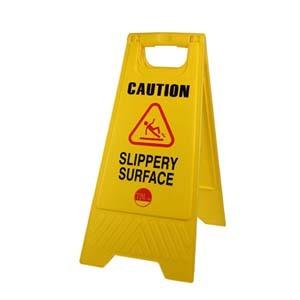
Site safety signage and hazard warning signs are there to stop the wrong person walking into the wrong place at the wrong time. Put signs where decisions are made, at entrances, walkways, and access points, and back them up with physical barriers if the risk is real.

3. Emergency readiness saves minutes when it matters

First aid and fire safety are not paperwork, they are response time. Keep emergency safety equipment accessible, clearly marked, and checked, so you are not hunting for it when the site is already in a panic.

Site Safety Essentials That Stop Problems Before They Start

These are the add ons that make your workplace hazard prevention actually work on a live construction site.

1. Safety signage and hazard warning signs

Get the right mandatory PPE and warning signs for the risks on your RAMS, because a handwritten note on ply does not cut it when the principal contractor or inspector walks in.

2. Safety barriers and cones for exclusion zones

Barriers stop the constant battle of people cutting through your work area, and they are what turns a warning into a controlled zone around plant, open edges, or overhead work.

3. First aid equipment

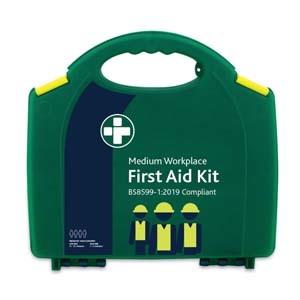
A properly stocked kit saves you when the inevitable happens, and it stops you sending someone off site for basics like dressings and eyewash when you are trying to keep the job moving.

4. Fire safety equipment

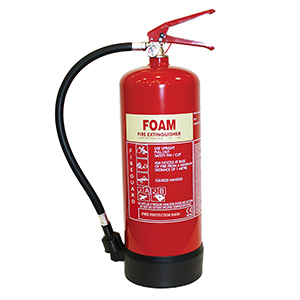
If you have hot works, temporary electrics, or fuel on site, fire cover needs to be in the work area, not locked in an office, so you can deal with a small incident before it becomes a shutdown.

Why Shop for Site Health and Safety at ITS?

Whether you are topping up PPE, replacing site safety signage, or sorting full site safety supplies for a new start, we stock the lot for construction health and safety and workplace safety. It is all held in our own warehouse, in stock and ready for next day delivery, so you can stay compliant without holding up the job.
Read more

Site Health & Safety

Site health and safety kit keeps you compliant and injury free, from PPE and signage to barriers, first aid and fire safety for live construction sites.

On a busy job you cannot afford a near miss, a stop notice, or lads working without the right protection. This range covers the health and safety equipment that actually gets used day to day, from PPE and workplace hazard prevention to site safety signage, barriers, and emergency safety equipment. Sort the basics, match it to your risk assessment, and keep the job moving.

What Is Site Health and Safety Equipment Used For?

  • Setting up construction site safety zones with safety barriers and clear site safety signage so pedestrians and other trades do not wander into live work areas.
  • Keeping occupational health and safety covered on the tools with personal protective equipment PPE like safety helmets, safety footwear, high visibility clothing, and task specific eye, hearing, and respiratory protection.
  • Meeting site safety compliance during inspections by using hazard warning signs, mandatory PPE notices, and workplace safety products that match the actual risks on the job.
  • Supporting workplace hazard prevention and accident prevention with practical controls like exclusion zones, temporary edge protection and fall protection equipment where there is work at height.
  • Handling emergencies properly with first aid equipment and fire safety equipment that is easy to find, clearly marked, and ready to use when something goes wrong.

Choosing the Right Site Health and Safety Kit

Buy to the risk assessment, not to what looks tidy in the van, because that is what gets checked when something goes wrong.

1. PPE matched to the task

If you are cutting, grinding, drilling or chasing, do not guess, pick the right eye protection, hearing protection and respiratory protection for the dust and noise you are actually making. If it is occasional snagging work, lighter PPE can be fine, but for all day production work you want kit you can wear without ripping it off after ten minutes.

2. Signage and barriers that control people, not just tick a box

If you have the public, other trades, or plant moving through, you need proper safety barriers and site safety signage that is visible at the approach, not hidden behind materials. For short duration jobs, quick deploy barriers and clear hazard warning signs stop the constant stop start and keep the area controlled.

3. Work at height and edge risks

If there is any chance of a fall, do not rely on good intentions, get the right fall protection equipment and set the exclusion zone underneath. If it is a one off access job, keep it simple and compliant, but if the team is up there daily you need a repeatable set up that gets used every time.

4. Emergency kit that is obvious and ready

First aid equipment and fire safety equipment only work if everyone can find it fast. If you are running multiple work areas, do not keep one kit in the site office and call it done, place it where the work is happening and back it up with clear safety signage.

Site Health and Safety FAQs

Is this range just PPE, or does it cover full site safety compliance?

It is broader than PPE. You will find personal protective equipment PPE alongside site safety signage, safety barriers, first aid equipment, and fire safety equipment, which is the sort of stuff you need to back up your risk assessment and keep the site set up properly.

What is the biggest mistake people make with construction site safety supplies?

Buying generic kit that does not match the job. If your work creates dust, noise, or cutting risk, you need the right respiratory, hearing, and eye protection, and you need signage and barriers positioned where people actually enter the area, not tucked out the way.

Do I really need both signage and barriers, or is one enough?

If the risk is low and the job is controlled, signage can be enough. If people can physically walk into danger, you need barriers as well, because a sign does not stop a labourer carrying boards with his head down.

How do I choose the right PPE without overbuying?

Start with the task and the environment, then buy to that. For example, cutting and drilling needs proper eye protection and often hearing protection, dusty work needs respiratory protection, and outdoor or plant areas usually need high visibility clothing and safety footwear. Do not buy one set and expect it to cover every trade.

What should I keep on site for emergencies as a bare minimum?

You want first aid equipment that is stocked and easy to access, plus fire safety equipment suited to the risks on site. The key is placement and checks, because a kit that is empty or hidden in the office is useless when you need it quickly.

Who Are These Site Safety Supplies For?

  • Site managers, supervisors, and QS teams who need site safety management sorted fast, with the right health and safety products to back up RAMS and daily briefings.
  • Groundworkers, scaffolders, roofers, steel and cladding crews relying on fall protection equipment, helmets, and high visibility clothing because the risks are higher and the margins are tighter.
  • Sparks, plumbers, chippies, and fit out teams who need task based PPE like eye protection, hearing protection, and respiratory protection for drilling, cutting, chasing, and dusty second fix.
  • Facilities and maintenance teams keeping workplace safety in place in live buildings, where signage, barriers, and emergency safety equipment stop the public walking into the job.

The Basics: Understanding Site Health and Safety on a Live Job

Most site health and safety comes down to controlling the risk, then proving you have done it. These are the basics that keep workplace safety practical and compliant.

1. Control measures: stop it, separate it, or protect against it

If you can remove the hazard, do that first. If you cannot, separate people from it with barriers and signage. PPE is the last line, but it is the one everyone sees, so it has to be correct for the task and worn properly.

2. Signage and exclusion zones are part of the job, not an add on

Site safety signage and hazard warning signs are there to stop the wrong person walking into the wrong place at the wrong time. Put signs where decisions are made, at entrances, walkways, and access points, and back them up with physical barriers if the risk is real.

3. Emergency readiness saves minutes when it matters

First aid and fire safety are not paperwork, they are response time. Keep emergency safety equipment accessible, clearly marked, and checked, so you are not hunting for it when the site is already in a panic.

Site Safety Essentials That Stop Problems Before They Start

These are the add ons that make your workplace hazard prevention actually work on a live construction site.

1. Safety signage and hazard warning signs

Get the right mandatory PPE and warning signs for the risks on your RAMS, because a handwritten note on ply does not cut it when the principal contractor or inspector walks in.

2. Safety barriers and cones for exclusion zones

Barriers stop the constant battle of people cutting through your work area, and they are what turns a warning into a controlled zone around plant, open edges, or overhead work.

3. First aid equipment

A properly stocked kit saves you when the inevitable happens, and it stops you sending someone off site for basics like dressings and eyewash when you are trying to keep the job moving.

4. Fire safety equipment

If you have hot works, temporary electrics, or fuel on site, fire cover needs to be in the work area, not locked in an office, so you can deal with a small incident before it becomes a shutdown.

Why Shop for Site Health and Safety at ITS?

Whether you are topping up PPE, replacing site safety signage, or sorting full site safety supplies for a new start, we stock the lot for construction health and safety and workplace safety. It is all held in our own warehouse, in stock and ready for next day delivery, so you can stay compliant without holding up the job.
ITS Click and Collect Icon
Store Opening Hours
Opening times