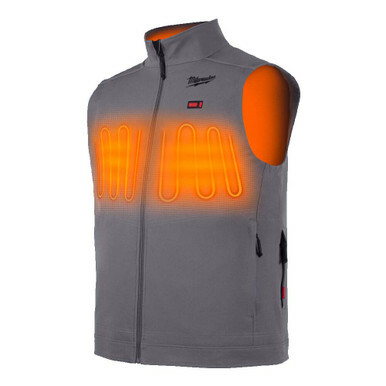
Heated Clothing

Heated clothing keeps you working when the cold bites, using battery heat panels to warm your core so you're not stiff, slow, or layering up like a duvet.

When you're outside all day or stuck in a draughty shell, heated workwear is the difference between cracking on and freezing up. This range covers battery heated clothing and electric heated clothing like heated work jackets, heated hoodies, heated gilets and heated thermal clothing, built for tradesmen who need steady warmth without losing movement. Pick the right fit for layering, keep a spare battery charged, and you'll stay productive on cold weather jobs.

What Are Heated Clothing and Heated Workwear Used For?

  • Working on exposed jobs like roofing, cladding, steelwork, and scaffolding where wind chill cuts straight through standard layers and you need heat on your core to keep moving.
  • Early starts and winter fit-outs in unheated buildings, when you are standing still measuring, setting out, snagging, or second-fixing and your hands and back start to lock up.
  • Outdoor maintenance and call-outs where you are in and out of the van all day, so rechargeable heated clothing stops you sweating in thick coats then freezing the moment you step outside.
  • Cold weather groundwork and civils where damp kit and slow drying layers become a problem, and heated PPE clothing helps you stay warm without piling on bulky insulation.
  • Long shifts on site security, traffic management, and plant marshalling where you are static for long periods and heated thermal clothing keeps your body temperature steady.

Choosing the Right Heated Clothing

Sort the right one by thinking about your day: are you moving hard, standing still, or getting soaked and chilled through.

1. Jacket vs Hoodie vs Gilet

If you are outside in wind and drizzle, go heated work jackets for the extra coverage. If you are mostly indoors or in a dry shell, heated hoodies are a comfy mid-layer that still works on ladders. If your arms need to stay free for fixing and lifting, heated gilets are the one because they warm your core without restricting movement.

2. Layering and Fit

If you want heated clothing under a hi-vis or waterproof, buy it as a close-fitting mid-layer so the heat sits against you and does not bunch up. If you are wearing it as the outer layer, leave room for a base layer underneath, but do not size up so far that the heat panels sit miles off your body.

3. Battery Plan for a Full Shift

If you are only using it for frosty starts and tea breaks, one battery will usually see you right. If you are outside all day, plan on a spare battery or charging in the van, because running on high heat for hours will drain any rechargeable heated clothing quicker than you think.

4. Site Practicalities and PPE

If you are on a site that needs hi-vis and layers, treat heated workwear as your warmth layer, not your visibility layer, and keep your compliant outerwear on top. Make sure the battery position will not dig in under a harness or tool belt before you commit.

Heated Clothing FAQs

What is heated clothing?

Heated clothing is workwear with built-in heating panels powered by a rechargeable battery, designed to warm your core so you stay comfortable and keep moving on cold weather jobs.

How does heated clothing work?

Battery heated clothing uses a small power pack to feed heat into panels in the chest and back, with selectable heat settings. On site, you run it higher when you are static and drop it down once you are working hard to avoid sweating.

Is heated clothing suitable for workwear and PPE use?

Yes, heated workwear is made for trade use, but treat it as your warmth layer and keep your required PPE on top, like hi-vis, waterproofs, or arc-rated layers where specified. Also check the battery position does not interfere with harnesses, belts, or tool bags.

How long does heated clothing stay warm?

It depends on battery size and heat setting. On high it will drain much faster, especially in proper cold and wind, so for full-day outdoor work you should plan a spare battery or charging in the van.

Can heated clothing be worn under other workwear?

Yes, that is often the best way to use it, especially under a hi-vis jacket or waterproof shell. Keep it fairly close-fitting so the heat panels sit against you and the battery is not digging in when you bend, kneel, or climb.

Who Uses Heated Clothing for Outdoor Work?

  • Groundworkers, scaffolders, roofers, and cladders who are exposed to wind and rain all day and need warmth without losing mobility.
  • Sparks, plumbers, and HVAC engineers doing first fix and plant room work in cold shells, where you are up ladders or crawling about and bulky layers just get in the way.
  • Site managers, surveyors, and snagging teams who spend hours walking and stopping, so battery heated clothing keeps the chill off without constantly adding and removing coats.

The Basics: Understanding Battery Heated Clothing

Electric heated clothing is simple on site: it warms your core with built-in heating panels, powered by a rechargeable battery, so your body stays warmer with less bulk.

1. Heat Panels Warm the Core First

Most heated clothing for cold weather focuses heat around the back and chest because keeping your core warm stops the rest of you feeling like you are working in slow motion.

2. You Control Heat Levels to Match the Job

Use higher settings for standing still, windy conditions, or first thing in the morning, then drop it down once you are moving and grafting, otherwise you will sweat and chill when you stop.

3. Batteries Decide Runtime, Not the Logo

Battery heated clothing lives or dies by battery capacity and how hard you run it, so if you need warmth all day, treat it like any cordless kit and plan your batteries properly.

Heated Clothing Accessories That Keep You Warm All Shift

These are the bits that stop heated workwear becoming pointless halfway through the day.

1. Spare Rechargeable Battery

A second battery is the difference between staying warm after lunch and spending the afternoon with dead heat panels, especially if you run higher settings on exposed outdoor work.

2. Compatible Charger or In-Van Charging Lead

If you can top up between jobs or on the drive, you are not rationing heat, and you are not turning it off just because you are worried about the last couple of hours.

3. Base Layers for Layering

A decent wicking base layer stops you getting damp under the heated thermal clothing, which is what makes you feel colder the moment you step off the tools.

Shop Heated Clothing UK at ITS

Whether you need a heated hoodie for indoor fit-outs, a heated gilet for layering under PPE, or heated work jackets for proper outdoor shifts, we stock the full heated clothing range in one place. It is all held in our own warehouse, in stock and ready for next day delivery so you can get warm kit on site fast.

Read more

Heated Clothing

Heated clothing keeps you working when the cold bites, using battery heat panels to warm your core so you're not stiff, slow, or layering up like a duvet.

When you're outside all day or stuck in a draughty shell, heated workwear is the difference between cracking on and freezing up. This range covers battery heated clothing and electric heated clothing like heated work jackets, heated hoodies, heated gilets and heated thermal clothing, built for tradesmen who need steady warmth without losing movement. Pick the right fit for layering, keep a spare battery charged, and you'll stay productive on cold weather jobs.

What Are Heated Clothing and Heated Workwear Used For?

  • Working on exposed jobs like roofing, cladding, steelwork, and scaffolding where wind chill cuts straight through standard layers and you need heat on your core to keep moving.
  • Early starts and winter fit-outs in unheated buildings, when you are standing still measuring, setting out, snagging, or second-fixing and your hands and back start to lock up.
  • Outdoor maintenance and call-outs where you are in and out of the van all day, so rechargeable heated clothing stops you sweating in thick coats then freezing the moment you step outside.
  • Cold weather groundwork and civils where damp kit and slow drying layers become a problem, and heated PPE clothing helps you stay warm without piling on bulky insulation.
  • Long shifts on site security, traffic management, and plant marshalling where you are static for long periods and heated thermal clothing keeps your body temperature steady.

Choosing the Right Heated Clothing

Sort the right one by thinking about your day: are you moving hard, standing still, or getting soaked and chilled through.

1. Jacket vs Hoodie vs Gilet

If you are outside in wind and drizzle, go heated work jackets for the extra coverage. If you are mostly indoors or in a dry shell, heated hoodies are a comfy mid-layer that still works on ladders. If your arms need to stay free for fixing and lifting, heated gilets are the one because they warm your core without restricting movement.

2. Layering and Fit

If you want heated clothing under a hi-vis or waterproof, buy it as a close-fitting mid-layer so the heat sits against you and does not bunch up. If you are wearing it as the outer layer, leave room for a base layer underneath, but do not size up so far that the heat panels sit miles off your body.

3. Battery Plan for a Full Shift

If you are only using it for frosty starts and tea breaks, one battery will usually see you right. If you are outside all day, plan on a spare battery or charging in the van, because running on high heat for hours will drain any rechargeable heated clothing quicker than you think.

4. Site Practicalities and PPE

If you are on a site that needs hi-vis and layers, treat heated workwear as your warmth layer, not your visibility layer, and keep your compliant outerwear on top. Make sure the battery position will not dig in under a harness or tool belt before you commit.

Heated Clothing FAQs

What is heated clothing?

Heated clothing is workwear with built-in heating panels powered by a rechargeable battery, designed to warm your core so you stay comfortable and keep moving on cold weather jobs.

How does heated clothing work?

Battery heated clothing uses a small power pack to feed heat into panels in the chest and back, with selectable heat settings. On site, you run it higher when you are static and drop it down once you are working hard to avoid sweating.

Is heated clothing suitable for workwear and PPE use?

Yes, heated workwear is made for trade use, but treat it as your warmth layer and keep your required PPE on top, like hi-vis, waterproofs, or arc-rated layers where specified. Also check the battery position does not interfere with harnesses, belts, or tool bags.

How long does heated clothing stay warm?

It depends on battery size and heat setting. On high it will drain much faster, especially in proper cold and wind, so for full-day outdoor work you should plan a spare battery or charging in the van.

Can heated clothing be worn under other workwear?

Yes, that is often the best way to use it, especially under a hi-vis jacket or waterproof shell. Keep it fairly close-fitting so the heat panels sit against you and the battery is not digging in when you bend, kneel, or climb.

Who Uses Heated Clothing for Outdoor Work?

  • Groundworkers, scaffolders, roofers, and cladders who are exposed to wind and rain all day and need warmth without losing mobility.
  • Sparks, plumbers, and HVAC engineers doing first fix and plant room work in cold shells, where you are up ladders or crawling about and bulky layers just get in the way.
  • Site managers, surveyors, and snagging teams who spend hours walking and stopping, so battery heated clothing keeps the chill off without constantly adding and removing coats.

The Basics: Understanding Battery Heated Clothing

Electric heated clothing is simple on site: it warms your core with built-in heating panels, powered by a rechargeable battery, so your body stays warmer with less bulk.

1. Heat Panels Warm the Core First

Most heated clothing for cold weather focuses heat around the back and chest because keeping your core warm stops the rest of you feeling like you are working in slow motion.

2. You Control Heat Levels to Match the Job

Use higher settings for standing still, windy conditions, or first thing in the morning, then drop it down once you are moving and grafting, otherwise you will sweat and chill when you stop.

3. Batteries Decide Runtime, Not the Logo

Battery heated clothing lives or dies by battery capacity and how hard you run it, so if you need warmth all day, treat it like any cordless kit and plan your batteries properly.

Heated Clothing Accessories That Keep You Warm All Shift

These are the bits that stop heated workwear becoming pointless halfway through the day.

1. Spare Rechargeable Battery

A second battery is the difference between staying warm after lunch and spending the afternoon with dead heat panels, especially if you run higher settings on exposed outdoor work.

2. Compatible Charger or In-Van Charging Lead

If you can top up between jobs or on the drive, you are not rationing heat, and you are not turning it off just because you are worried about the last couple of hours.

3. Base Layers for Layering

A decent wicking base layer stops you getting damp under the heated thermal clothing, which is what makes you feel colder the moment you step off the tools.

Shop Heated Clothing UK at ITS

Whether you need a heated hoodie for indoor fit-outs, a heated gilet for layering under PPE, or heated work jackets for proper outdoor shifts, we stock the full heated clothing range in one place. It is all held in our own warehouse, in stock and ready for next day delivery so you can get warm kit on site fast.
ITS - All The Tools You Need Click and Collect Icon
What3Words:
Store Opening Hours
Opening times