Vaunt Workwear & PPE Vaunt Workwear & PPE

Vaunt Workwear & PPE

Vaunt workwear and PPE is built for day-in, day-out site graft, keeping you protected, comfortable, and moving freely without kit failing mid-job.

When you are on the tools from first light to knock-off, the wrong gear costs you time and skin. Vaunt kit is picked for real trade use, from hard-wearing trousers and layers to gloves, eye protection and masks that actually fit and stay put. Get the basics right, then top up spares so you are not caught short on a wet Monday.

What Are Vaunt Workwear and PPE Used For?

  • Working through rough first fix and refurbs where trousers, hoodies, and gloves take constant snagging on timber, brick edges, and sharp fixings.
  • Keeping compliant on busy sites with the right eye, hand, and respiratory protection when you are drilling, cutting, sanding, or sweeping up dust.
  • Staying comfortable on long shifts with layers that breathe when you are shifting materials, then warm up fast when you stop to set out or snag.
  • Getting through wet, muddy groundwork and external jobs with workwear that does not go heavy, rub, or fall apart after a few washes.
  • Stocking the van with spare PPE so you can swap out wet gloves, scratched specs, or clogged masks without losing half an hour.

Who Are Vaunt Workwear and PPE For on Site?

  • Chippies and joiners who need tough trousers and gloves that do not split when you are hauling sheets, trimming doors, or working off trestles.
  • Sparks and plumbers who want flexible layers and reliable eye and dust protection for drilling, chasing, and overhead first fix.
  • Groundworkers, landscapers, and labourers who rinse kit hard and need workwear that survives mud, concrete splash, and constant kneeling.
  • Maintenance teams and site managers topping up compliant PPE for visitors and quick call-outs, without guessing what will fit or last.

Choosing the Right Vaunt Workwear and PPE

Sort it like a seasoned hand: buy for the job you do most, then keep spares for the stuff that gets lost, soaked, or battered.

1. Match PPE to the task, not the toolbox

If you are cutting, grinding, drilling masonry, or sanding filler, do not wing it with "any old" mask and specs. Pick the right rating for dust and impact, and make sure it seals and sits properly or you will not wear it for long.

2. Fit and movement matter more than you think

If you are up and down steps, kneeling, or working overhead all day, go for workwear that lets you move without the waistband digging in or the knees riding up. If it is uncomfortable, you will end up working in the wrong gear.

3. Plan for weather and wash cycles

If you are outside or on half-finished shells, you need layers you can add and strip fast. Also, assume it is getting washed hard every week, so pick kit that keeps its shape and does not fall apart after a few spins.

4. Buy doubles of the consumables

Gloves, disposable masks, and eye protection are the bits that disappear or get wrecked first. Keep spares in the van so you are not trying to finish a job with wet gloves or scratched lenses.

The Basics: Understanding PPE on Site

PPE only does its job if it fits properly and matches the hazard. This is the simple way to avoid buying the wrong stuff.

1. Respiratory protection is about seal and rating

A mask that gaps around your nose or cheeks is basically a dust catcher, not protection. Choose the right rating for the dust you are making and make sure it seals well enough that you will actually keep it on while you work.

2. Eye protection needs to suit the work angle

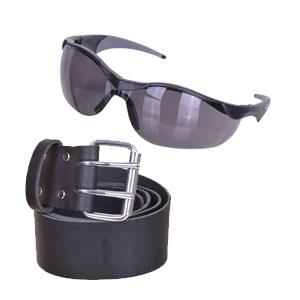
Overhead drilling and chasing throws dust straight back at your face, so you want coverage that sits close and stays put. If you are constantly taking them off because they fog or slip, they are the wrong pair for the job.

3. Gloves are a balance of grip, feel, and protection

For handling materials and fixings you need grip and dexterity, not bulky gloves you cannot pick screws up in. For rough handling and sharp edges, step up the protection and accept you will lose a bit of fingertip feel.

Vaunt Workwear and PPE Extras That Save You Time

These are the add-ons that stop you bodging it when something gets damaged, wet, or clogged halfway through the shift.

1. Spare Gloves Multipacks

Gloves are the first thing to get soaked, torn, or "borrowed". Keeping a spare pair in the van means you stay safe and keep grip when you are shifting blocks, handling cable, or working in the rain.

2. Replacement Filters and Mask Refills

If your mask is clogged, you either take it off or you cannot breathe properly, and both are a problem. Stock refills so you can swap and crack on when you are sanding, cutting, or sweeping up fine dust.

3. Anti-Fog Wipes and Lens Cleaning

Dirty or fogged specs are useless on site and they end up on your head instead of your eyes. A quick clean keeps vision clear when you are drilling overhead or cutting inside dusty rooms.

4. Knee Pads and Inserts

If you are flooring, skirting, or doing snagging at low level, proper knee protection stops you wrecking yourself by Friday. Inserts are handy because you can move them between trousers instead of buying new kit every time.

Why Shop Vaunt Workwear and PPE at ITS?

Whether you are replacing a single pair of gloves or kitting out for a full run of site workwear and PPE, we stock the Vaunt range in the sizes and types trades actually use. It is all held in our own warehouse, in stock and ready for next day delivery so you can get sorted before the next shift.

Vaunt Workwear and PPE FAQs

Is Vaunt workwear tough enough for daily site use, or is it more for light jobs?

It is aimed at proper trade use, not occasional DIY. Expect it to handle regular snagging, kneeling, and washing, but be realistic, any workwear will fail if you are constantly dragging it over sharp block edges without knee protection.

How do I stop PPE being uncomfortable so I actually wear it all day?

Get the fit right first. Masks need a proper seal, specs need to sit stable without pinching, and gloves need enough feel to pick fixings up. If it rubs or slips, you will take it off, so swap to a better fitting option rather than "making do".

Do I need different gloves for different tasks?

Yes, if you want to work safely and efficiently. Use grippy, dexterous gloves for fixings and tool work, and tougher protection for rough handling, sharp edges, or demolition. One pair that does everything usually does nothing well.

Are disposable masks enough for chasing and drilling masonry?

They can be, but only if you pick the right rating and it seals properly on your face. For heavy dust, long days, or constant cutting, you will usually be better off with a more robust respirator setup and keeping spare filters to hand.

What is the quickest way to avoid turning up on site missing PPE?

Keep a small "PPE top-up" stash in the van: spare gloves, spare eye protection, and extra masks or filters. That is what saves you when something gets wet, scratched, or lost on a busy job.
Read more

Vaunt Workwear & PPE

Vaunt workwear and PPE is built for day-in, day-out site graft, keeping you protected, comfortable, and moving freely without kit failing mid-job.

When you are on the tools from first light to knock-off, the wrong gear costs you time and skin. Vaunt kit is picked for real trade use, from hard-wearing trousers and layers to gloves, eye protection and masks that actually fit and stay put. Get the basics right, then top up spares so you are not caught short on a wet Monday.

What Are Vaunt Workwear and PPE Used For?

  • Working through rough first fix and refurbs where trousers, hoodies, and gloves take constant snagging on timber, brick edges, and sharp fixings.
  • Keeping compliant on busy sites with the right eye, hand, and respiratory protection when you are drilling, cutting, sanding, or sweeping up dust.
  • Staying comfortable on long shifts with layers that breathe when you are shifting materials, then warm up fast when you stop to set out or snag.
  • Getting through wet, muddy groundwork and external jobs with workwear that does not go heavy, rub, or fall apart after a few washes.
  • Stocking the van with spare PPE so you can swap out wet gloves, scratched specs, or clogged masks without losing half an hour.

Who Are Vaunt Workwear and PPE For on Site?

  • Chippies and joiners who need tough trousers and gloves that do not split when you are hauling sheets, trimming doors, or working off trestles.
  • Sparks and plumbers who want flexible layers and reliable eye and dust protection for drilling, chasing, and overhead first fix.
  • Groundworkers, landscapers, and labourers who rinse kit hard and need workwear that survives mud, concrete splash, and constant kneeling.
  • Maintenance teams and site managers topping up compliant PPE for visitors and quick call-outs, without guessing what will fit or last.

Choosing the Right Vaunt Workwear and PPE

Sort it like a seasoned hand: buy for the job you do most, then keep spares for the stuff that gets lost, soaked, or battered.

1. Match PPE to the task, not the toolbox

If you are cutting, grinding, drilling masonry, or sanding filler, do not wing it with "any old" mask and specs. Pick the right rating for dust and impact, and make sure it seals and sits properly or you will not wear it for long.

2. Fit and movement matter more than you think

If you are up and down steps, kneeling, or working overhead all day, go for workwear that lets you move without the waistband digging in or the knees riding up. If it is uncomfortable, you will end up working in the wrong gear.

3. Plan for weather and wash cycles

If you are outside or on half-finished shells, you need layers you can add and strip fast. Also, assume it is getting washed hard every week, so pick kit that keeps its shape and does not fall apart after a few spins.

4. Buy doubles of the consumables

Gloves, disposable masks, and eye protection are the bits that disappear or get wrecked first. Keep spares in the van so you are not trying to finish a job with wet gloves or scratched lenses.

The Basics: Understanding PPE on Site

PPE only does its job if it fits properly and matches the hazard. This is the simple way to avoid buying the wrong stuff.

1. Respiratory protection is about seal and rating

A mask that gaps around your nose or cheeks is basically a dust catcher, not protection. Choose the right rating for the dust you are making and make sure it seals well enough that you will actually keep it on while you work.

2. Eye protection needs to suit the work angle

Overhead drilling and chasing throws dust straight back at your face, so you want coverage that sits close and stays put. If you are constantly taking them off because they fog or slip, they are the wrong pair for the job.

3. Gloves are a balance of grip, feel, and protection

For handling materials and fixings you need grip and dexterity, not bulky gloves you cannot pick screws up in. For rough handling and sharp edges, step up the protection and accept you will lose a bit of fingertip feel.

Vaunt Workwear and PPE Extras That Save You Time

These are the add-ons that stop you bodging it when something gets damaged, wet, or clogged halfway through the shift.

1. Spare Gloves Multipacks

Gloves are the first thing to get soaked, torn, or "borrowed". Keeping a spare pair in the van means you stay safe and keep grip when you are shifting blocks, handling cable, or working in the rain.

2. Replacement Filters and Mask Refills

If your mask is clogged, you either take it off or you cannot breathe properly, and both are a problem. Stock refills so you can swap and crack on when you are sanding, cutting, or sweeping up fine dust.

3. Anti-Fog Wipes and Lens Cleaning

Dirty or fogged specs are useless on site and they end up on your head instead of your eyes. A quick clean keeps vision clear when you are drilling overhead or cutting inside dusty rooms.

4. Knee Pads and Inserts

If you are flooring, skirting, or doing snagging at low level, proper knee protection stops you wrecking yourself by Friday. Inserts are handy because you can move them between trousers instead of buying new kit every time.

Why Shop Vaunt Workwear and PPE at ITS?

Whether you are replacing a single pair of gloves or kitting out for a full run of site workwear and PPE, we stock the Vaunt range in the sizes and types trades actually use. It is all held in our own warehouse, in stock and ready for next day delivery so you can get sorted before the next shift.

Vaunt Workwear and PPE FAQs

Is Vaunt workwear tough enough for daily site use, or is it more for light jobs?

It is aimed at proper trade use, not occasional DIY. Expect it to handle regular snagging, kneeling, and washing, but be realistic, any workwear will fail if you are constantly dragging it over sharp block edges without knee protection.

How do I stop PPE being uncomfortable so I actually wear it all day?

Get the fit right first. Masks need a proper seal, specs need to sit stable without pinching, and gloves need enough feel to pick fixings up. If it rubs or slips, you will take it off, so swap to a better fitting option rather than "making do".

Do I need different gloves for different tasks?

Yes, if you want to work safely and efficiently. Use grippy, dexterous gloves for fixings and tool work, and tougher protection for rough handling, sharp edges, or demolition. One pair that does everything usually does nothing well.

Are disposable masks enough for chasing and drilling masonry?

They can be, but only if you pick the right rating and it seals properly on your face. For heavy dust, long days, or constant cutting, you will usually be better off with a more robust respirator setup and keeping spare filters to hand.

What is the quickest way to avoid turning up on site missing PPE?

Keep a small "PPE top-up" stash in the van: spare gloves, spare eye protection, and extra masks or filters. That is what saves you when something gets wet, scratched, or lost on a busy job.
ITS - All The Tools You Need Click and Collect Icon
Store Opening Hours
Opening times