Vaunt SDS+
Vaunt SDS drill bits are built for clean, fast holes in concrete, block and brick when combi bits start struggling or burning out too soon.
If you're drilling fixings into hard masonry all day, buy bits made for the hammer drill, not whatever was rolling round the van. These Vaunt sds bits are proper site kit for anchor holes, cable clips, brackets and chasing prep, with sizes and sets that suit daily trade use. If you need more from the range, look through Vaunt, Vaunt SDS Bits and Attachments and Vaunt SDS+ Drill Bits to get the right bit for the next job.
What Are Vaunt SDS Drill Bits Used For?
- Drilling repeated fixing holes into concrete lintels, dense block and engineering brick is where vaunt sds drill bits earn their keep, especially when a standard masonry bit would just slow the job down.
- Running first fix clips, trunking and bracket fixings goes quicker with vaunt sds plus bits because they clear dust well and keep the bit driving properly in hard material.
- Opening out anchor points for frame fixings, shield anchors and heavy duty screws is a routine site job for vaunt sds masonry drill bits on refurbs, extensions and commercial fit outs.
- Prepping walls before chasing or breaking out is easier when you drill a line of clean starter holes, and that is exactly the sort of work vaunt sds concrete bits are meant for.
- Keeping a vaunt sds drill bit set in the van covers the usual diameters for snagging, second fix additions and small install jobs without wasting time hunting for loose singles.
Choosing the Right Vaunt SDS Drill Bits
Sorting the right bit is simple: match the diameter and length to the fixing and wall build up, not just what happens to be nearest in the case.
1. Match the Bit to the Fixing
If you are drilling for red plugs and light fixings, stick to the smaller common sizes and keep the hole tight. If you are setting heavier anchors or frame fixings, choose the exact diameter the fixing asks for or you will end up with a loose, useless hole.
2. Think About Working Length
If you are only clipping cable or fixing brackets to block, a shorter vaunt sds drill bit gives better control. If you need to get through plasterboard on dabs, thick render or deeper masonry, buy the longer bit so you are not burying the chuck in the wall.
3. Singles or Sets
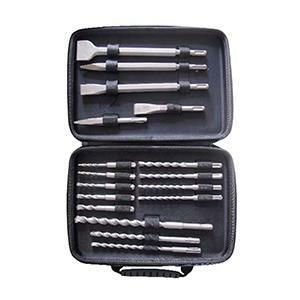
If you burn through the same couple of sizes every week, buy singles and keep spares. If you are doing mixed install work, a vaunt sds drill bit set makes more sense because the usual diameters are there in one case and you are not short when the job changes halfway through the day.
4. SDS Plus or SDS Max
Most day to day fixing and drilling work wants vaunt sds plus bits for standard SDS Plus rotary hammers. Do not order SDS Max unless you are using a bigger machine for heavier drilling or breaking, because it will not fit an SDS Plus chuck.
Who Uses These on Site?
- Sparkies use vaunt sds bits for cable clip holes, tray brackets, back box fixings and drilling out solid walls where a combi drill would be working too hard for too long.
- Plumbers and heating fitters reach for vaunt sds plus bits when fixing pipe clips, unistrut and plant brackets into block or concrete in risers, garages and plant rooms.
- Kitchen fitters, joiners and shopfitters keep a vaunt sds bit set handy for battens, frame fixings and repeated holes into masonry backgrounds during first fit and final fixing.
- Builders and maintenance teams use vaunt sds drill bits uk wide for general site drilling because they cover the everyday sizes needed for anchors, signs, rails and repair work.
The Basics: Understanding Vaunt SDS Drill Bits
These bits are made for hammer drilling into hard masonry. The important part is not just the tip, but the shank and the tool they fit. Here is the simple version.
1. SDS Plus for Everyday Site Drilling
SDS Plus is the standard most trades use for fixing holes in brick, block and concrete. The bit locks into the chuck properly, lets the drill hammer as it should, and gets through hard material quicker than a plain straight shank masonry bit.
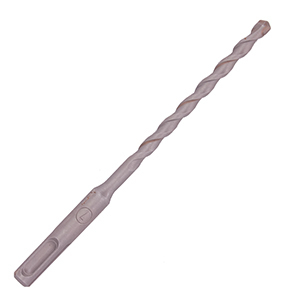
2. Flutes Clear Dust as You Drill
Those spiral flutes are not just there for looks. They pull debris out of the hole as you drill, which helps the bit keep cutting, stops it binding up, and gives you a cleaner hole for plugs and anchors.
3. Bit Choice Affects Hole Quality
A proper vaunt sds masonry drill bit will stay straighter and clear better in tough material. That means less wandering on the mark, fewer blown out holes, and less grief when the fixing needs to hold first time.
Useful Extras for Vaunt SDS Drill Bits
A couple of sensible add ons save time on site and stop a simple drilling job turning into a walk back to the van.
1. SDS Chisel Bits
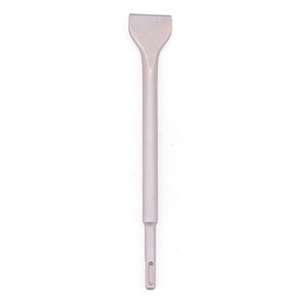
When the drilled hole turns into a small breakout, you will want a chisel bit ready to go. Keep Vaunt SDS+ Chisel Bits nearby for chasing edges, lifting tile and knocking out stubborn masonry without swapping to a different system.
2. Spare Masonry Bits
It is worth keeping conventional masonry bits as backup for combi drill work in softer brick and lighter fixings. A few Vaunt Masonry Drill Bits cover quick jobs where dragging out the SDS drill is more hassle than it is worth.
Choose the Right Vaunt SDS Drill Bits for the Job
Pick the bit by fixing size, wall type and drilling depth.
| Your Job | Category or Type | Key Features |
|---|---|---|
| Clipping cable and light fixings into brick or block | Short SDS Plus drill bits | Better control, quick drilling, ideal for common plug sizes |
| Repeated anchor holes into dense concrete | Standard length SDS Plus bits | Good dust clearance, steady progress, suited to daily hammer drilling |
| Drilling through plaster and deep into masonry | Long SDS Plus drill bits | Extra reach, proper embedment depth, less chance of marking the wall with the chuck |
| Mixed install work across several fixing sizes | Vaunt SDS drill bit set | Common diameters in one case, faster setup, less chance of missing a size |
| Heavier breaking or larger rotary hammer work | SDS Max compatible bits | Larger shank system for bigger machines, not for standard SDS Plus drills |
Common Buying and Usage Mistakes
- Buying the wrong shank type is the big one. SDS Plus and SDS Max are not interchangeable, so check your drill before ordering or the bit will be no use when it lands.
- Using a worn bit for fixing holes usually ends with oversized holes and loose plugs. Once the tip is slowing down or wandering, replace it instead of fighting it.
- Choosing too short a bit for deep backgrounds wastes time and scars the wall with the chuck. Measure the finished depth you actually need, including plaster or adhesive dabs.
- Forcing the drill instead of letting the bit clear dust overheats the bit and slows progress. Back it out now and then on deep holes so it can clear properly.
- Assuming one set covers every job catches plenty of lads out. If you always use the same few diameters, keep spare singles rather than relying on one half empty case.
SDS Plus Bits vs SDS Max Bits vs Standard Masonry Bits
SDS Plus Bits
This is the everyday choice for most trades. Vaunt sds plus bits suit rotary hammers used for fixings, anchors and repeated drilling in brick, block and concrete without dragging around a bigger machine than the job needs.
SDS Max Bits
SDS Max is for larger tools and heavier work. If you are not on bigger diameter holes or serious breaking duties, it is usually overkill and it will not fit your standard SDS Plus drill anyway.
Standard Masonry Bits
Fine for lighter jobs in a combi drill and softer materials, but they are slower and less comfortable for repeated concrete drilling. Once the work gets harder or more frequent, vaunt sds drill bits are the right step up.
Maintenance and Care
Clear Dust After Use
Brush off concrete and brick dust before the bits go back in the case. Letting grit sit in the flutes and shank just wears everything faster and makes the case a mess.
Check the Tip and Flutes
If the carbide tip is chipped or the bit has stopped cutting cleanly, do not keep forcing it. A tired bit drills hotter, wanders more, and leaves poor holes for fixings.
Keep the Shank Clean
Wipe the SDS shank before fitting it into the chuck. Packed dust and grit can affect how smoothly it seats and can add wear to the chuck over time.
Store by Size
Keep singles and sets sorted properly so the common sizes do not go missing. That saves guesswork on site and stops good bits getting knocked about loose in the bottom of the box.
Replace Before It Costs You Time
If a bit is slowing every hole down, bin it and move on. Hanging on to a dead masonry bit usually costs more in lost time and ruined fixings than a replacement ever will.
Why Shop for Vaunt SDS Drill Bits at ITS?
Whether you need single vaunt sds drill bits, a full vaunt sds bit set or the usual site sizes in vaunt sds plus bits, we stock the range properly. It is all in our own warehouse and ready for next day delivery, so you can get the right bit on site without hanging about.
Vaunt SDS Drill Bits FAQs
What SDS drill bits does Vaunt make?
Vaunt makes SDS drilling accessories for common site drilling jobs into brick, block and concrete, including everyday SDS Plus drill bits and bit sets in the sizes most trades actually use. The range is aimed at routine fixing, anchor and install work rather than specialist one off drilling.
What sizes are available in Vaunt SDS drill bits?
Sizes vary by product, but the range covers the usual diameters used for plugs, clips, brackets and anchor fixings. Best way to buy is to match the bit exactly to the fixing spec and then choose the length based on the wall finish and required embedment.
Are Vaunt SDS drill bits suitable for concrete and masonry?
Yes. Vaunt sds masonry drill bits are made for hammer drilling into concrete, brick and block. They are the right choice when standard masonry bits in a combi drill start slowing down, overheating or leaving rough holes.
Are Vaunt SDS bits SDS Plus or SDS Max compatible?
That depends on the bit you are looking at, so always check the product listing before you order. Most everyday vaunt sds plus bits are for SDS Plus machines, while SDS Max bits only fit larger SDS Max hammers.
Will these hold up for daily site drilling, or are they just for the odd job?
They are built for proper trade use and regular masonry drilling. Be honest though, bit life always depends on what you are drilling into, how hard you lean on the tool, and whether you replace a bit once the tip has had it.
Is it better to buy a Vaunt SDS drill bit set or singles?
If your work changes from job to job, a set is the sensible option because it covers the common diameters in one case. If you burn through the same sizes every week, singles are the better shout because you can top up the ones that actually earn their keep.