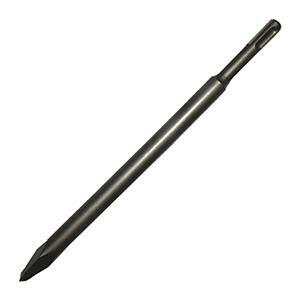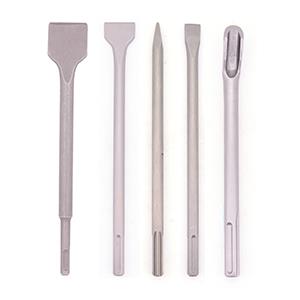
Vaunt SDS Bits and Attachments
Vaunt SDS bits are built for drilling and breaking concrete, block and masonry when standard bits just burn out or bounce off the job.
If you're drilling fixing holes all day or chasing out stubborn blockwork, this is the kit you want in the box. Vaunt sds drill bits and vaunt sds attachments cover day to day site drilling, chiselling and breakout work without paying over the odds for bits that get abused anyway. From vaunt sds plus bits for general fixing work to vaunt sds max bits for heavier demolition, it pays to match the shank and tip to the tool in your hand. Start with Vaunt, then narrow it down with Vaunt SDS+, Vaunt SDS+ Drill Bits, Vaunt SDS+ Chisel Bits and Vaunt Masonry Drill Bits to get the right bit for the job.
What Are Vaunt SDS Bits Used For?
- Drilling repeated fixing holes into concrete lintels, brick and dense block goes quicker with vaunt sds drill bits because the hammer action does the work instead of cooking standard masonry bits.
- Chasing out channels for cable runs and pipe routes is where vaunt sds attachments earn their keep, especially when a flat chisel saves you standing there fighting old plaster and hard backing.
- Breaking off wall tile beds, knocking back proud brickwork and lifting stubborn mortar is easier with a vaunt sds chisel fitted to the right hammer instead of trying to force a drill bit to do a breaker's job.
- Installing anchors, frame fixings and resin studs in refurbs and first fix work is exactly what vaunt sds plus bits are for, giving you cleaner entry in masonry and less wandering at the start.
- Opening larger holes and dealing with tougher reinforced material on heavier plant and structural jobs suits vaunt sds max bits, where bigger shanks and stronger hammers cope with the punishment.
Choosing the Right Vaunt SDS Bits
Sorting the right one is simple. Match the bit and fitting to the hammer and the material, not to whatever happens to be nearest in the van.
1. SDS Plus for drilling and light chiselling
If you are on a combi sized rotary hammer doing plug holes, frame fixings and general site drilling, vaunt sds plus bits are the right shout. They are the everyday choice for brick, block and concrete. If your drill takes SDS Plus, do not try forcing in SDS Max kit.
2. SDS Max for bigger holes and harder breakout
If the job is larger diameter drilling, deeper concrete work or proper demolition, go with vaunt sds max bits. They suit larger hammers and take more punishment. For small fixing holes, they are overkill and will just slow you down.
3. Drill bit or chisel bit
If you need a clean hole for anchors or fixings, use a masonry drilling bit. If you are stripping tiles, chasing channels or knocking off render, use a vaunt sds chisel. Do not use a drill bit as a substitute for breaking because it ruins the tip fast.
4. Buy sets for repeat work, singles for replacements
If you burn through the same common sizes every week, a vaunt sds bit set makes sense and keeps the case sorted. If you only need one odd diameter for a specific fixing or one replacement after hitting rebar, just buy the single you need.
Who Uses These on Site?
- Sparkies use vaunt sds bits for drilling fixing points in concrete and block, plus chasing walls for conduit and back boxes during first fix.
- Plumbers and heating engineers reach for vaunt sds drill bits when they need clean holes through masonry for pipe clips, brackets and service runs without burning through basic bits.
- Builders, brickies and general trades keep vaunt sds attachments in the van for knocking off render, trimming blockwork and dealing with awkward breakout jobs that crop up halfway through a build.
- Maintenance teams and fitters swear by vaunt sds plus bits for day to day anchor work because they cover the regular hole sizes used for trunking, rails, cabinets and site fixings.
- Groundworkers and demolition crews step up to vaunt sds max bits and chisels when lighter SDS Plus gear starts labouring and the material needs proper impact behind it.
The Basics: Understanding SDS Bits
The important bit is not just diameter. It is the SDS system, because that decides what drill the bit fits and what sort of punishment it is built to take.
1. SDS Plus for general site drilling
This is the common setup for most trade rotary hammers. The bit locks into the chuck and lets the drill hammer properly while still driving the bit round. It is what you want for routine masonry fixing holes and light chiselling.
2. SDS Max for heavy hammer work
SDS Max uses a larger shank and suits more powerful hammers. That means better energy transfer into the bit for larger holes, harder concrete and heavier chiselling. It is the step up when SDS Plus starts struggling.
3. Drill bits cut, chisels break
An SDS masonry bit is made to drill a round, usable hole. An SDS chisel is for removal work like lifting tile, chasing plaster or breaking edges back. Picking the right type saves time and stops you wrecking accessories early.
Choose the Right Vaunt SDS Bits for the Job
Use this quick guide to avoid buying the wrong shank or bit type.
| Your Job | Category or Type | Key Features |
|---|---|---|
| Drilling plug and anchor holes in brick and block | Vaunt SDS Plus masonry bits | Fast starts, common fixing sizes, suits everyday rotary hammers |
| Repeated concrete fixing holes on first fix and refurb work | Vaunt SDS drill bit set | Multiple diameters in one case, easier to keep van stock sorted |
| Chasing walls and knocking off plaster or tile | Vaunt SDS chisel bits | Flat and shaped chisels built for removal work rather than drilling |
| Larger holes in dense concrete with a bigger hammer | Vaunt SDS Max bits | Larger shank, stronger fit, built for heavier impact energy |
| General masonry drilling with a non SDS drill | Vaunt Masonry Drill Bits | Standard shanks for combi and percussion drills, better for lighter work |
Common Buying and Usage Mistakes
- Buying SDS Max when your drill takes SDS Plus is the big one. They are not interchangeable, so check the chuck before ordering or the bit is useless when it lands.
- Using a chisel bit when you actually need a clean fixing hole wastes time and leaves a rough result. Pick a proper vaunt sds masonry bit for anchors and fixings.
- Choosing the cheapest odd size instead of a set can backfire if you drill masonry every day. A vaunt sds bit set usually covers the common diameters and saves repeated one off buys.
- Forcing worn bits through concrete slows the job and overheats the hammer. If the tip is rounded off or the bit is polishing rather than cutting, replace it.
- Using SDS Plus gear for heavy breakout all day is hard on both the bit and the tool. Step up to SDS Max if the material is dense and the hammering is constant.
SDS Plus vs SDS Max vs Standard Masonry Bits
SDS Plus
This is the everyday trade choice for most fixing holes in brick, block and concrete. It suits common rotary hammers, changes fast and covers drilling plus lighter chiselling without dragging a bigger machine around.
SDS Max
This is for larger hammers, larger holes and tougher breakout. If you are working in dense concrete or doing demolition, SDS Max is the right call. For small repetitive fixing work, it is more tool than you need.
Standard Masonry Bits
These suit percussion and combi drills for lighter masonry work. They are fine for the odd hole in brick, but if you are drilling concrete all day, they are slower, run hotter and wear out sooner than SDS bits.
Maintenance and Care
Clean the shank after use
Wipe dust and slurry off the SDS shank before it goes back in the case. Grit in the fitting wears the chuck and makes bit changes rougher over time.
Check the tip before each shift
A chipped carbide tip or rounded chisel edge means slower drilling and more strain on the tool. Swap it out before it starts costing you time.
Store sets properly
Keep bits in their case rather than loose in the van. It stops tips knocking together, makes sizes easier to find and cuts down on turning up to site with the wrong one.
Do not keep using bent or heat damaged bits
If a bit is wobbling, blueing with heat or struggling to clear dust, retire it. You will only end up with poor holes and extra wear on the hammer.
Match the accessory to the mode
Use hammer drill mode for drilling and the proper chiselling setup for chisels. Running the wrong mode hammers the accessory badly and shortens its life for no gain.
Why Shop for Vaunt SDS Bits at ITS?
Whether you need single vaunt sds drill bits for replacement, a vaunt sds bit set for daily fixing work, or vaunt sds attachments for chiselling and breakout, we stock the full range. That means SDS Plus, SDS Max, common masonry sizes and the bits trades actually get through on site. It is all held in our own warehouse, in stock and ready for next day delivery.
Vaunt SDS Bits FAQs
What SDS bits and attachments does Vaunt make?
Vaunt covers the main site essentials. That includes vaunt sds drill bits for masonry drilling, vaunt sds chisel options for breakout and chasing, plus sets and individual sizes depending on how you buy your consumables. The range is aimed at the sort of brick, block and concrete work most trades hit every week.
Are Vaunt SDS bits compatible with all SDS drills?
No. You need to match the bit to the chuck system on your drill. SDS Plus bits fit SDS Plus hammers and SDS Max bits fit SDS Max hammers. Check before you buy because they are not cross compatible, and no amount of forcing will change that.
What materials can Vaunt SDS bits drill?
They are mainly for masonry materials like brick, block, concrete and similar hard substrates. They are the right choice for routine anchor holes and heavier drilling in mineral materials. For timber, metal or tile finish work, use the proper bit for that material instead.
What SDS systems does Vaunt support?
Vaunt supports the main SDS formats trades look for on site, including SDS Plus and SDS Max. SDS Plus handles the bulk of general rotary hammer drilling, while SDS Max is for larger tools doing harder, heavier work.
Are Vaunt SDS bits any good for daily trade use?
Yes, for regular site drilling and chiselling they make sense. They are the sort of bits you buy to work hard and replace when worn, rather than babying expensive accessories. If you are drilling concrete and block week in, week out, they are a practical van stock option.
Should I buy single Vaunt SDS bits or a set?
If you keep using the same fixing sizes, a set is usually the better buy and keeps everything together. If you only need one replacement size after a rough job, buying singles stops you paying for bits that will just sit in the case.