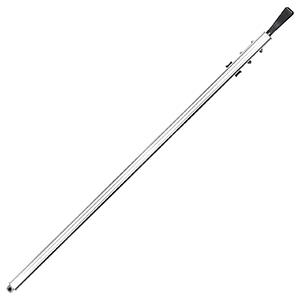
Vaunt Guide Rails & Plunge Saw Accessories
Vaunt guide rail gives you straight, repeatable cuts in sheet material, worktops and doors without fighting a wandering saw or wasting decent boards.
If you're ripping full sheets on site or trimming a fire door in a tight hallway, a proper vaunt guide rail saves time and stops costly blow-outs. These Vaunt plunge saw guide and track saw rail options are built for clean, controlled cutting with plunge saws and circular saw setups that need accuracy, not guesswork. Pair the right rail length to the material you cut most and get sorted with a vaunt guide rail set that suits your kit.
What Are Vaunt Guide Rails Used For?
- Cutting down sheet timber, MDF and ply on trestles becomes far more accurate with a vaunt guide rail, especially when you need cabinet-ready edges without wrestling a full board through a table saw.
- Trimming doors on second fix is easier with a vaunt plunge saw guide because it keeps the saw running true and helps avoid splintered veneer on the finished face.
- Fitting kitchens and utility rooms is where a vaunt track saw rail earns its keep, letting you rip end panels, worktops and fillers cleanly in rooms where space is tight.
- Breaking down large boards in a customer's property is safer and tidier with a vaunt saw guide rail, as you bring the saw to the material rather than trying to drag awkward sheets about indoors.
- Using a vaunt circular saw guide rail helps site joiners and fitters keep long cuts straight when they need repeatable sizing across multiple panels or doors in one hit.
Choosing the Right Vaunt Guide Rail
Sorting the right rail is simple: match it to the cut length you do most, not the one odd job you might do twice a year.
1. Rail Length
If you mostly trim doors, fillers and smaller panels, a shorter vaunt plunge saw guide is easier to carry, store and set up in cramped rooms. If you are regularly ripping full sheets, go longer so you are not messing about repositioning halfway through a cut.
2. Single Rail or Joined Setup
If van space is tight or you need flexibility, a vaunt guide rail set with joinable sections makes sense. If your work is mostly repeated long cuts in sheet material, one longer rail is usually quicker and gives you fewer chances to knock alignment out.
3. Saw Compatibility
Do not assume every vaunt track saw rail works with every saw you own. Check the base and groove fit first. If you are buying for a plunge saw, make sure the rail profile suits it properly or you will lose the accuracy you bought the rail for.
4. On Site Stability
If you are working on slick melamine, finished boards or awkward vertical pieces, do not rely on luck to keep the rail put. Add Vaunt Guide Rail Clamps and save yourself from a slipped cut that ruins a panel.
Who Uses These on Site?
- Chippies and kitchen fitters rely on a vaunt guide rail for cutting sheet goods, end panels and worktop pieces cleanly enough that there is less fettling afterwards.
- Joiners doing second fix keep a vaunt plunge saw guide handy for trimming doors and making neat reductions where a wobbly freehand cut will show straight away.
- Shopfitters and exhibition teams use vaunt track saw rail setups when they need long, accurate cuts on boards in tight spaces without hauling big machinery into the job.
- Site maintenance teams and property refurb crews reach for these when replacing damaged panels, shelving or door blanks and need clean lines without setting up a workshop.
The Basics: Understanding Vaunt Guide Rails
A guide rail does one main job: it gives your saw a straight path to follow, so the cut is cleaner, more repeatable and far easier to control on site.
1. The Rail Guides the Saw
The saw base runs along the vaunt saw guide rail instead of you trying to steer by eye. That means straighter rips through sheet material, neater door cuts and less chance of wandering off line halfway through.
2. Length Matters on Bigger Boards
A longer vaunt circular saw guide rail gives you full support across bigger panels, which is what keeps cuts accurate from start to finish. Too short, and you end up repositioning or risking a step in the cut.
3. Joined Rails Extend Your Reach
Joined rails let you create a longer cutting path for sheet goods and long rips. Done properly, they save buying a huge single rail and make transport easier, but the joint needs setting up square or the cut will tell on you.
Vaunt Guide Rail Accessories That Save Hassle
A few sensible add-ons make rail cutting quicker, cleaner and far less likely to go wrong halfway through the job.
1. Guide Rail Clamps
This is the one that stops the rail creeping just as you commit to the cut. On polished boards, doors or vertical work, Vaunt Guide Rail Clamps are worth having so you are not binning a finished panel because the track shifted.
2. Circular Saw Blades
A straight rail means nothing if the blade is blunt or wrong for the material. Keep a look at Vaunt Circular Saw Blades for cleaner cuts in sheet goods, worktops and finished boards.
3. Spare Saw Blades
Do not get stuck halfway through a kitchen fit with one tired blade burning its way through laminate. A few options from Vaunt Saw Blades keep you cutting the material in front of you properly.
4. Router Accessories
If your work jumps between cutting and edging, matching your rail setup with bits from Vaunt Routing helps finish panels and tops without another trip back to the van.
Choose the Right Vaunt Guide Rail for the Job
Pick the rail around the material size, cut length and how much room you have to work.
| Your Job | Category or Type | Key Features |
|---|---|---|
| Trimming internal doors and short panels | Short vaunt plunge saw guide | Easier handling, quicker setup, less awkward in hallways and occupied properties |
| Ripping full sheets of MDF, ply or melamine | Long vaunt track saw rail | Better support across the whole cut, fewer resets, straighter finish edge |
| Mixed site work with limited van space | Vaunt guide rail set | Flexible lengths, easier transport, can be joined when longer cuts come up |
| Finished boards or slippery surfaces | Guide rail with clamps | Stops movement, protects expensive material, gives more confidence on final cuts |
Common Buying and Usage Mistakes
- Buying the shortest rail to save a few quid often backfires because you end up shifting the track mid cut, which is exactly how boards end up with a step or a visible wander.
- Assuming every saw fits every vaunt guide rail is a common one. Check compatibility first or you can end up with a poor fit that knocks accuracy and makes the rail pointless.
- Running a fresh rail with a tired blade wastes the benefit straight away. If the blade is blunt, it will still tear the face and leave you cleaning up cuts you should have finished first time.
- Not clamping the rail on slick or expensive material is asking for trouble. One small slip at the start is enough to ruin a worktop panel or veneered board.
- Joining rails badly and hoping for the best will show in the cut. Take the time to align them properly or the saw will follow the fault all the way through the board.
Short Guide Rails vs Long Guide Rails vs Joined Rails
Short Guide Rails
Best for door trimming, filler pieces and smaller sheet cuts where you are working in tight rooms. They are easier to carry and store, but they are not the best choice for full board rips.
Long Guide Rails
These are the better option for straight, uninterrupted cuts across full sheets and long panels. They save time and reduce setup, but they take up more van space and are less handy in cramped properties.
Joined Rails
A joined setup gives you flexibility when you need long cuts without carrying one oversized rail. It is practical for mixed work, but only if you align the sections properly and check the joint before cutting.
Maintenance and Care
Keep the Rail Face Clean
Brush off dust, chips and sticky residue after use so the saw base runs smoothly. Built-up muck under the rail or in the guide area can knock the cut line off more than you would think.
Check for Knocks and Bends
Guide rails only work if they stay straight. If one gets dropped in the van or stood on, inspect it before the next job because even a small bend can spoil finish cuts.
Store It Properly
Do not bury rails under heavy kit or leave them rattling loose in the back of the van. Store them flat and protected so they are ready for accurate work when you need them.
Inspect Joints and Fixings
If you use joined rails, check the connectors and joining points regularly. Any looseness or damage there will show up in long cuts long before you spot it by eye.
Replace Worn Supporting Parts
If clamps, connectors or rail edges are no longer holding properly, sort them before they cost you material. Accessories are cheaper than replacing a butchered worktop or a miscut door blank.
Why Shop for Vaunt Guide Rail at ITS?
Whether you need a single vaunt guide rail, a vaunt guide rail set, clamps or other Vaunt plunge saw accessories, we stock the full range in one place. You will also find the wider Vaunt Power Tool Accessories range in our own warehouse, ready for next day delivery across the UK.
Vaunt Guide Rail FAQs
What guide rails does Vaunt make?
Vaunt guide rails cover the core setups most trades actually use for plunge saw and track cutting. That includes straight cutting rails in practical lengths, plus matching accessories for joining, securing and getting more out of the rail on site.
Are Vaunt guide rails compatible with all plunge saws?
No, not with every plunge saw going. Some saw bases and rail profiles match up well, others do not. Always check the saw and rail fit before buying, because a poor fit means slop in the cut and that defeats the whole point of using a guide rail.
What lengths do Vaunt guide rails come in?
Vaunt guide rails come in lengths suited to common site work, from shorter rails for doors and smaller panels through to longer options for sheet material. The best length is the one that covers your usual cut in one pass without becoming a pain to store or carry.
Can Vaunt guide rails be joined for longer cuts?
Yes, joined rails are a sensible way to handle long cuts without carting one massive rail about. Just be honest with the setup. If the joint is even slightly out, the saw will follow it, so take the extra minute to line it up properly before cutting decent material.
Do I really need clamps with a vaunt track saw rail?
On rough boards you might get away without them now and then, but on melamine, laminate, veneered panels or anything expensive, clamps are the safer bet. They stop the rail creeping and save you from ruining a finished face with one bad slip.
Is a vaunt circular saw guide rail worth it for occasional site cutting?
Yes, if the work involves visible straight cuts in doors, panels or sheet goods. Even occasional use can justify it because one rail is cheaper than replacing miscut materials, and the cut quality is miles ahead of trying to guide a saw freehand.