Vaunt Home Fans & Air Con
Vaunt fans are built for shifting air where rooms get stuffy, hot and hard to work in, with straightforward home cooling that does the job properly.
When the heat builds up and the room starts dragging, this is the sort of kit you reach for. The Vaunt fan range covers tower, desk and pedestal options for bedrooms, home offices and day to day living spaces, plus Vaunt Home Air Conditioners if you need proper chilled air rather than just airflow. If you are sorting seasonal Fans & Air Con for the house, pick the size and style that suits the room and get your Vaunt cooling sorted.
What Are Vaunt Fans Used For?
- Cooling down bedrooms on close summer nights, where a Vaunt tower fan or pedestal fan keeps air moving without taking up half the floor.
- Working in a home office or box room, where a Vaunt desk fan gives you steady airflow across the day and stops the room turning stuffy by lunch.
- Shifting warm, stale air around lounges and living spaces, especially in houses that hold heat through the afternoon and need simple Vaunt cooling in the evening.
- Backing up a Vaunt air conditioner in larger spaces, where airflow helps push cooler air further across the room instead of leaving it sat in one spot.
- Covering day to day home use with straightforward controls and portable designs that are easy to move from bedroom to office to landing as the weather changes.
Choosing the Right Vaunt Fans
Sorting the right one is simple: match the fan to the room size and where you actually need the airflow.
1. Desk Fan vs Tower Fan vs Pedestal Fan
If you only need airflow close to you at a desk or bedside, a desk fan is the sensible pick. If you want to cool a bedroom or lounge without losing floor space, go for a tower fan. If you need broader airflow across a bigger room, a pedestal fan usually gives you more reach.
2. Airflow vs Proper Cooling
A fan moves air and makes the room feel easier to sit in, but it does not lower the room temperature like an air conditioner. If the space gets genuinely hot and holds heat all day, look at a Air Conditioners option instead of expecting a fan to do a different job.
3. Noise and Overnight Use
If it is mainly for sleeping areas, pay attention to quieter settings and how the fan delivers airflow over long periods. For daytime use in offices or living rooms, a bit more output is usually worth it if the room gets stuffy quickly.
4. Portability Around the House
If the fan will live in one room all season, buy for that space and leave it there. If it will be moved from bedroom to office to landing, pick a Vaunt cooling model that is easy to carry and does not become a nuisance every time you shift it.
Who Are These For at Home?
- Home workers use Vaunt desk fans to keep air moving across smaller rooms where laptops, monitors and shut windows quickly make the place feel heavy.
- Families reach for Vaunt pedestal fans and tower fans in bedrooms and lounges because they cover more space and are easier to position around furniture.
- Landlords and property owners use Vaunt home cooling as a simple fix for warm upstairs rooms, conservatories and flats that trap heat through summer.
- Anyone already shopping the wider Vaunt Home range will often pair these with Vaunt Home Heaters so the house is covered properly through both hot and cold spells.
The Basics: Understanding Vaunt Home Cooling
The main thing to know is that fans and air conditioners do different jobs. One moves air around you. The other actually cools the room. Here is the simple version.
1. Fans Move Air
A Vaunt fan makes the room feel cooler by pushing air across your skin and stopping heat from sitting still. It is the right choice for everyday comfort, bedrooms, home offices and spaces that just need airflow.
2. Air Conditioners Lower Temperature
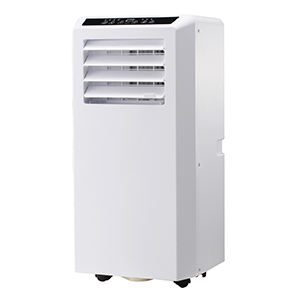
A Vaunt air conditioner is for rooms that get properly hot and stay that way. It does more than move air. It actively pulls heat out of the room, which is what you need in conservatories, loft rooms or badly ventilated spaces.
3. Size Matters More Than People Think
Small fans are fine when you are sat close to them. Larger rooms need wider airflow or stronger output, otherwise you end up with one cool corner and the rest of the room still feeling stuffy.
Choose the Right Vaunt Fans for the Job
Use this quick guide to match the fan type to the room and how you use it.
| Your Job | Fan Type | Key Features |
|---|---|---|
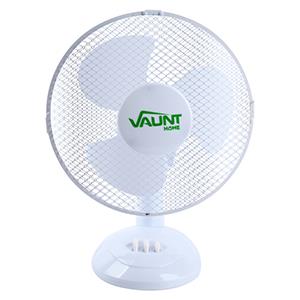
| Cooling one person at a desk or bedside | Vaunt desk fan | Compact size, close range airflow, easy to move and position |
| Keeping a bedroom comfortable overnight | Vaunt tower fan | Small footprint, steady airflow, suits tighter floor space |
| Moving air across a larger lounge or family room | Vaunt pedestal fan | Higher airflow, better room coverage, adjustable height and direction |
| Dealing with rooms that get properly hot in summer | Vaunt air conditioner | Actual cooling rather than airflow, better for heat build-up and enclosed spaces |
| Sorting general home cooling through the season | Vaunt fan range | Choice of desk, tower and pedestal styles to suit different rooms |
Common Buying and Usage Mistakes
- Buying a small desk fan for a big bedroom or lounge is a common mistake. It will move air near you, but it will not cover the room properly, so match the fan size to the space.
- Expecting a fan to chill the whole room like an air conditioner leads to disappointment. If the room gets seriously hot and holds heat, you need an air conditioning unit, not just more airflow.
- Ignoring where the fan will actually sit causes hassle later. A pedestal fan needs more floor space, while a tower fan is usually easier in tighter bedrooms or corners.
- Only checking airflow and not thinking about overnight use can be a poor call. For bedrooms, quieter running matters just as much as output if you want to sleep with it on.
- Shifting one fan around the whole house without thinking about portability soon gets annoying. If you know it will move room to room, pick a model that is light enough to carry without a faff.
Desk Fan vs Tower Fan vs Pedestal Fan
Desk Fan
Best when you are sat close to it at a desk, bedside table or worktop. It is the practical choice for personal airflow, but it will not do much for larger rooms.
Tower Fan
A good middle ground for bedrooms and living spaces where floor space is tight. It is neater than a pedestal fan and spreads airflow well, but usually not as broadly as a larger bladed model.
Pedestal Fan
The one to choose when you need stronger airflow across more of the room. It takes up more space, but it is often the better option for lounges, bigger bedrooms and open plan areas.
Fan vs Air Conditioner
Fans are cheaper and simpler for everyday airflow. Air conditioners are for rooms that get genuinely hot and need actual temperature reduction, not just moving air about.
Maintenance and Care
Keep the Grilles Clean
Dust builds up quickly on fan grilles and blades, especially in bedrooms and home offices. Wipe them down regularly so airflow does not drop off and the unit does not start pushing dust back into the room.
Store It Dry and Upright
When summer is done, store the fan somewhere dry and out the way rather than leaving it in a damp shed or garage corner. That helps prevent damage to electrics, controls and the finish.
Check the Cable Before Use
If a fan has been moved around the house or packed away for months, give the cable and plug a quick once-over before switching on. Do not use it if the lead is trapped, split or worn.
Do Not Let Dust Choke the Unit
Fine fluff and household dust can clog vents over time, especially on tower fans and air conditioners. A quick clean now and then saves poor performance and keeps the unit running as it should.
Replace if It Starts Rattling or Running Rough
A bit of operating noise is normal, but persistent rattling, wobble or weak airflow usually means wear or damage. At that point, it is better to replace the unit than put up with poor cooling and nuisance noise.
Why Shop for Vaunt Fans at ITS?
Whether you need a compact desk fan, a full-height tower fan, a pedestal fan or a Vaunt Home Fans option for general summer use, we stock the full Vaunt fan range in one place. We also hold wider home cooling lines in our own warehouse, ready for fast dispatch and next day delivery so you can get the room sorted without hanging about.
Vaunt Fans FAQs
What fans does Vaunt make?
Vaunt makes a practical spread of home cooling kit including desk fans, tower fans and pedestal fans. The range is aimed at straightforward room by room airflow, so you can pick something compact for personal use or go larger for bedrooms and living spaces.
Are Vaunt fans suitable for home use?
Yes. Vaunt fans are built for home use and suit the sort of spaces most people are actually trying to cool, such as bedrooms, home offices, lounges and upstairs rooms that get stuffy in warm weather.
What types of fans are in the Vaunt home range?
The Vaunt home range includes tower fans for neat floor standing cooling, desk fans for close range personal airflow, and pedestal fans for covering larger areas. That gives you a decent spread for small rooms, larger rooms and day to day home cooling.
Does Vaunt make an air conditioner?
Yes, Vaunt also offers air conditioning options for spaces that need actual cooling rather than just moving air around. If a room gets properly hot and holds that heat, a Vaunt air conditioner is the better tool for the job.
Will a Vaunt fan cool a whole room or just blow air about?
Be honest about the job. A fan improves comfort by moving air, which can make a room feel cooler, but it does not lower temperature like an air conditioner. For general bedrooms and offices, that is often enough. For heavy heat build-up, it is not.
Which Vaunt fan is best for sleeping areas?
In most cases, a tower fan suits bedrooms well because it gives steady airflow without taking up too much floor space. A desk fan can work beside the bed for one person, while a pedestal fan is the better shout if the room is larger and needs wider coverage.
Are Vaunt fans easy to move from room to room?
Yes, that is one of the main reasons people buy them. Most home users shift them between bedrooms, offices and living spaces depending on where the heat is worst, so portability is part of the appeal.
Do I need a Vaunt fan or a Vaunt air conditioner?
If the room just feels stuffy and needs airflow, go with a Vaunt fan. If it turns into a proper hot box and stays uncomfortable even with windows open, step up to a Vaunt air conditioner because that is built to reduce room temperature, not just circulate air.