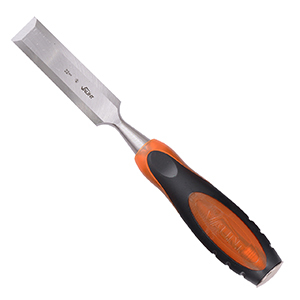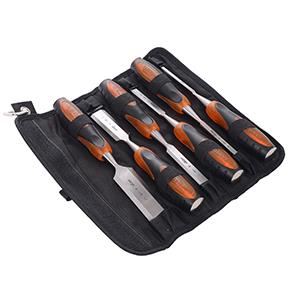
Vaunt Wood Chisels
Vaunt wood chisels are built for clean paring, chopping and trimming in timber, whether you're hanging doors, cutting joints or sorting snagging on site.
If you're sick of soft edges folding over halfway through a job, start with Vaunt wood chisels that can take proper site use without feeling clumsy in the hand. Vaunt bevel edge chisels suit joinery, fitting and general bench work, while Vaunt mortise chisels and firmer patterns give you more meat where the job gets rougher. If you need a full Vaunt Wood Chisel Sets option for the van or want Vaunt Individual Wood Chisels to replace your most-used sizes, this is where to get sorted.
What Jobs Are Vaunt Wood Chisels Used For?
- Cleaning out hinge gains on door linings and doors is where vaunt wood chisels earn their keep, letting chippies pare back timber cleanly without tearing the edge to bits.
- Cutting housing joints, rebates and small notches on first fix is easier with vaunt bevel edge chisels, especially when you need to get right into corners without the sidewalls fouling the cut.
- Chopping out mortises in hardwood or softwood suits vaunt mortise chisels and firmer patterns, where a thicker blade stands up better to mallet work and repeated site abuse.
- Trimming plugs, cleaning glue lines and sorting final snagging on fitted joinery is the sort of bench and finishing work where a sharp vaunt chisel set saves time and leaves a neater result.
Choosing the Right Vaunt Wood Chisels
Match the blade pattern to the work. Do not buy a slim bevel edge if most of your day is heavy mallet chopping.
1. Bevel Edge or Firmer
If you are doing joinery, hinge recesses and fine clean-up, go for vaunt bevel edge chisels because they get into tighter corners and feel handier in controlled cuts. If the work is rougher and you expect more mallet use, a firmer chisel gives you a stronger section that puts up with more punishment.
2. Mortise Work Needs a Different Blade
If you are properly chopping mortises, use vaunt mortise chisels rather than forcing a standard bench chisel to do it all. The thicker blade is there for a reason and will stand up better when you are levering waste out of deep cuts.
3. Buy a Set or Singles
If you are starting from scratch or kitting out a van, a vaunt chisel set makes sense because you will cover the sizes used for most site joinery straight away. If you already know you burn through one or two widths more than the rest, buy singles and spend the money where it actually gets used.
4. Think About Sharpening Before You Buy
A decent chisel is only as useful as the edge you keep on it. If you are buying for regular site or bench use, pair them with Vaunt Sharpening Tools so you are not fighting a blunt edge and blaming the steel.
Who Uses These on Site?
- Chippies reach for vaunt wood chisels when hanging doors, scribing frames and cutting hinge recesses because they need an edge that stays useful through a full day, not just the first opening.
- Joiners use vaunt bevel edge chisels for tighter bench work, trimming shoulders and cleaning joints where a slimmer side profile helps them get right into the corner.
- Shopfitters and kitchen fitters keep a few common sizes in the bag for quick adjustments, easing panels, trimming lippings and sorting awkward bits that a power tool would overdo.
- Maintenance teams and site fixers swear by a solid chisel set for patch repairs, easing swollen timber and small cut-outs where dragging out bigger kit just wastes time.
Accessories That Keep Vaunt Wood Chisels Working Properly
A sharp edge and a clean finish do not happen by luck. These extras stop your chisels turning into rough demolition tools.
1. Sharpening Tools
Blunt chisels slip, bruise timber and make a simple hinge gain take twice as long. A proper set of Vaunt Sharpening Tools saves you from forcing cuts and wrecking decent joinery.
2. Hand Sanders
After trimming or paring back timber, you often need to tidy the face before paint, stain or final fit. Vaunt Hand Sanders are worth having nearby so you can knock back raised grain and leave a cleaner finish without hunting round the van.
Choose the Right Vaunt Wood Chisels for the Job
Here is the quick way to match the chisel to the work in front of you.
| Your Job | Category or Type | Key Features |
|---|---|---|
| Hinge recesses and door hanging | Vaunt bevel edge chisels | Slim sides for corners, controlled paring, good access on neat joinery cuts |
| General first fix and bench joinery | Vaunt chisel set | Useful spread of sizes, easy van kit option, covers most everyday timber jobs |
| Deep mortises and heavier chopping | Vaunt mortise chisels | Thicker blade pattern, better for mallet work, stands up to levering out waste |
| Rougher site trimming and repeated mallet use | Vaunt firmer chisels | Stronger blade section, less flex, better choice where finesse matters less than durability |
| Replacing one worn out size | Vaunt individual wood chisels | Buy only the widths you actually use most, handy for topping up an existing kit |
Common Buying and Usage Mistakes
- Buying one pattern for every job is a common mistake. A bevel edge chisel is not the best choice for heavy mortising, so match the blade type to the work or you will batter the tool and slow yourself down.
- Ignoring sharpening is where most chisel complaints start. If the edge is blunt, it will tear fibres, wander off line and need more force, which is how hands get nicked and timber gets spoiled.
- Using the wrong width wastes time and leaves messy work. Too narrow and you are making extra passes on hinges and housings. Too wide and you lose control in smaller joints and corners.
- Treating wood chisels like pry bars wrecks edges and loosens handles. They will take proper chopping, but levering out big chunks or twisting hard in a cut is a fast way to shorten their life.
- Buying a full set when you only ever use two or three sizes is dead money for some trades. If your work is mostly door ironmongery or snagging, singles can be the smarter buy.
Bevel Edge vs Firmer vs Mortise Chisels
Vaunt Bevel Edge Chisels
Best for cleaner joinery, hinge gains and trimming into corners where access matters. They are the handier all-rounder for controlled work, but not the first pick for deep heavy mortises all day.
Vaunt Firmer Chisels
A better bet for rougher site work and repeated mallet use because the blade has more substance behind it. They are tougher in heavier cuts, though they are not as nimble in tight corners as a bevel edge pattern.
Vaunt Mortise Chisels
These are for chopping mortises properly rather than asking a bench chisel to cope. The thicker section deals better with levering out waste, but they are too specialised for fine paring and lighter finishing work.
Maintenance and Care
Keep the Edge Sharp
Touch up the edge little and often rather than waiting until it is fully gone. A few minutes on the stone is easier than trying to recover a battered bevel after a week on site.
Wipe Off Resin and Moisture
After working in softwood or damp conditions, clean the blade before it goes back in the bag. Resin build-up affects the cut and trapped moisture is what starts rust spots.
Store Them So the Edge Is Protected
Loose chisels rattling round with screws, drill bits and fixings will not stay sharp for long. Keep edge guards on where possible or store them in a roll, case or separate tray.
Check Handles After Heavy Use
If a handle starts loosening or mushrooming after repeated mallet strikes, deal with it early. A sound blade is no good if the handle is shifting in your hand halfway through a cut.
Replace When the Blade Is Past Saving
Small nicks can be sharpened out, but a badly bent blade or one ground away to nothing is not worth nursing along. That is when it makes more sense to replace the size you use most.
Why Shop for Vaunt Wood Chisels at ITS?
Whether you need a single replacement for door work, a full set for site joinery, or want to compare this range with broader Wood Chisels, we stock the lot. Our vaunt chisels range is in our own warehouse, including the key sizes and patterns trades actually use, so you can order today and get it on site fast with next day delivery.
Vaunt Wood Chisels FAQs
What wood chisels does Vaunt make?
Vaunt makes the main patterns most trades actually use, including vaunt bevel edge chisels for general joinery and cleaner corner access, plus firmer and mortise options for heavier chopping work. You will also find both individual sizes and set options depending on whether you are replacing one favourite or kitting out from scratch.
What steel are Vaunt wood chisels made from?
Vaunt wood chisels are made from chrome vanadium steel. That matters on site because it gives you a blade that is tough enough for regular chopping and paring, while still being practical to sharpen back up when the edge starts to go off.
Are Vaunt chisels suitable for professional joinery?
Yes, for day to day trade joinery, fitting and site carpentry they are a sound choice. They are well suited to hinge gains, trimming joints, housing cuts and general bench work, provided you choose the right pattern and keep them properly sharpened.
What handle type do Vaunt wood chisels have?
Vaunt wood chisels are fitted with impact-resistant handles built to cope with normal mallet work on site. They are made for a secure grip and repeated use, but like any chisel they will last longer if you use a proper mallet rather than belting them with whatever is closest.
Will Vaunt bevel edge chisels hold up to mallet use, or are they just for paring?
Yes, they will handle normal mallet work for general joinery and site fitting. Just be sensible with them. For hinge recesses, housings and cleanup they are absolutely in their element. If you are battering out deep mortises all week, step up to a mortise or firmer pattern instead of asking a slimmer blade to do the wrong job.
Do I need a full Vaunt chisel set, or will a couple of sizes do the job?
If you are mainly hanging doors or doing small snagging jobs, a couple of common widths will cover a lot of ground. If your work jumps between first fix, bench joinery and fitting, a set is the better shout because you will stop making do with the wrong size and your cuts will be cleaner for it.