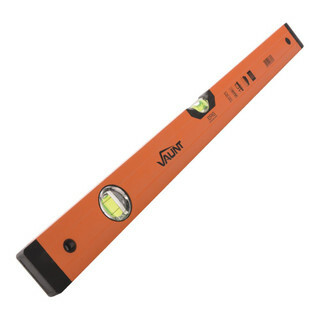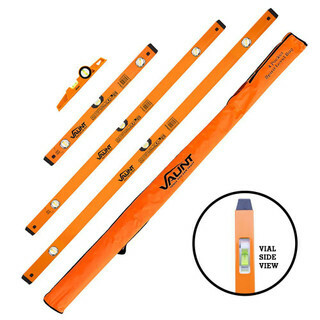
Vaunt Spirit Levels
A Vaunt spirit level helps you set out straight, true and fast, whether you're hanging doors, running studwork or levelling kitchen units on a tight snag list.
If your lines are out, everything after it looks rough. Vaunt levels are the sort of kit you keep close because they take knocks, read clean, and do the simple job right. From a vaunt torpedo level in a pouch to a vaunt 1200mm spirit level for longer runs, there is a proper option for first fix, second fix and finishing work. If you need a full kit, look at Vaunt Spirit Level Sets, or go straight to Vaunt Individual Spirit Levels and get sorted.
What Are Vaunt Spirit Levels Used For?
- Setting kitchen units, worktops and white goods straight saves you fighting gaps, bad door lines and callbacks once everything is fixed in place.
- Building stud partitions and first fix framing with a vaunt 1200mm spirit level helps keep long runs plumb and level before boards start hiding mistakes.
- Hanging doors, fitting liners and sorting second fix joinery with a vaunt 600mm spirit level gives you a manageable size for checking uprights and head linings properly.
- Working in tight spots behind pipework, under sinks or inside service cupboards is where a vaunt torpedo level earns its keep when a full box level is just in the way.
- Checking falls on pipe runs, trays or outdoor surfaces with a vaunt digital level makes fine adjustments easier when eyeballing the bubble is not enough.
Choosing the Right Vaunt Spirit Level
Sorting the right one is simple: match the length and style to the work, not just what fits in the van.
1. Pick the Right Length for the Run
If you are checking kitchen units, doors or shorter timber sections, a vaunt 600mm spirit level is usually the handiest size. If you are setting stud walls, longer framing or wider surfaces, a vaunt 1200mm spirit level gives you a truer read across the full length.
2. Torpedo or Box Level
If you spend half your day under sinks, around pipework or in service voids, go with a vaunt torpedo level. If you need better reach and more confidence on doors, timber, masonry or cabinetry, a vaunt box level is the better everyday pick.
3. Standard Bubble or Digital
A standard vaunt bubble level is quicker for most site checks and takes less fuss. If you are setting exact angles, checking falls or doing repeat work where numbers matter, a vaunt digital level is worth having in the bag.
4. Single Level or Set
If you only need one size for a regular task, buy the single and keep it simple. If your work jumps from tight cupboards to full wall runs, a set saves you borrowing the wrong length and making do.
Who Uses These on Site?
- Chippies use vaunt spirit levels for studwork, door hanging and kitchen fits, because if the first line is wrong the whole room tells on you later.
- Sparkies keep a vaunt torpedo level handy for trunking, tray and socket lines, especially when working one-handed up steps or in cramped risers.
- Plumbers and heating engineers reach for a vaunt bubble level when setting brackets, radiators and visible pipework that needs to sit neat against finished walls.
- Brickies and general builders use longer vaunt levels on blockwork, lintels and openings where a short level can miss a dip and cost time putting it right.
- Fitters and snag teams carry them for the final straighten-up on kitchens, bathrooms and trim, when small adjustments make the difference between done and done properly.
Measuring Kit That Makes Vaunt Levels More Useful
A level is only half the job if you are setting out from bad marks or guessing your lines.
1. Tape Measures
Get your dimensions right before the level comes out. A decent Tape Measures saves the usual mess of re-marking centres, packers and fixing points because the first marks were rushed.
2. Squares and Bevels
When you need level, plumb and square to agree, add Vaunt Squares & Bevels. They stop you setting straight lines off a corner that was out from the start.
3. Extra Sizes of Spirit Level
Most trades end up needing more than one length. Keeping both short and long Spirit Levels means you are not trying to force a 1200mm level into a cupboard or trust a torpedo on a full stud run.
Choose the Right Vaunt Spirit Level for the Job
Use this quick guide to match the level to the work in front of you.
| Your Job | Level Type | Key Features |
|---|---|---|
| Hanging doors and fitting liners | 600mm box level | Easy to handle, enough length for uprights and head checks, good for second fix work |
| Setting studwork and long framing runs | 1200mm box level | Better across full spans, spots dips and twist more clearly, stronger for first fix layout |
| Pipework, trunking and tight service areas | Torpedo level | Compact size, quick checks in cramped spots, easy to carry in a pouch or pocket |
| Checking falls and angle work | Digital level | Numerical angle readout, useful for repeat settings, better for exact fall measurements |
| Mixed snagging and general fit-out | Spirit level set | Different lengths ready to go, less compromise on site, covers short checks and long runs |
Common Buying and Usage Mistakes
- Buying one short level for every job is a false economy. It might be fine for sockets or pipe clips, but it will miss dips and bows on longer runs, so use a longer level where the work needs it.
- Using a long level in tight spaces just slows you down. If you are forever under sinks or inside cupboards, get a torpedo level as well and stop fighting the tool.
- Trusting a level that has been dropped hard without checking it can leave whole runs out. If it takes a proper knock, test it against a known straight reference before using it on finish work.
- Ignoring the actual job when choosing between bubble and digital usually means paying for features you will not use. Standard bubble levels cover most site work, while digital is for angle and fall jobs where exact numbers matter.
- Leaving levels loose in the van with bars and heavier tools soon knocks them about. Store them where the vials and edges are protected, especially if you rely on them for visible finish work.
Box Level vs Torpedo Level vs Digital Level
Box Level
This is the everyday all-rounder for chippies, builders and fitters. It gives you proper contact on timber, masonry and units, and it is the better choice for longer, visible runs where accuracy across the length matters.
Torpedo Level
Best for compact work around pipework, tray, conduit and awkward corners. It is quick and handy, but it is not the tool for checking a full stud wall or long worktop where a short body can hide the problem.
Digital Level
Digital levels come into their own when you need exact angle readings or repeat falls. They are less about quick rough checks and more about giving you hard numbers for jobs where bubble alone is not enough.
Single Level vs Set
A single level suits trades who do the same sort of job most days. A set makes more sense if your work jumps between first fix, snagging and tight service work, because you will actually have the right length when you need it.
Maintenance and Care
Wipe It Down After Dusty Work
Plaster dust, mortar and general site muck can stop the body sitting flat. Give the edges and faces a quick wipe before putting it away so the next reading is clean and true.
Check for Knock Damage
If a level has been dropped off steps or bounced around in the van, do not just trust it. Check it against a known straight edge or level line before using it on anything that needs to look right first time.
Store It Protected
Do not leave it buried under heavier gear where the frame or vials can get battered. A level that lives loose with breakers, bars and fixings will not stay nice for long.
Keep Contact Edges Clean
Small bits of dried adhesive, silicone or mortar on the working edge throw readings off. Scrape them off carefully rather than dragging a dirty level across finished surfaces.
Replace If Accuracy Is in Doubt
If it has taken a proper hit and readings are no longer trustworthy, replace it. A new level costs less than refitting doors, straightening units or explaining bad lines to a client.
Why Shop for Vaunt Spirit Levels at ITS?
Whether you need a single vaunt bubble level for quick snagging or a full spread of vaunt spirit levels uk trades actually use, we stock the range in proper sizes and types. From torpedo and box levels to sets and digital options, it is all in our own warehouse and ready for next day delivery.
Vaunt Spirit Level FAQs
What spirit levels does Vaunt make?
Vaunt makes the main types most trades actually need on site, including box levels, torpedo levels, level sets and digital levels. That covers everything from tight service checks to longer framing, kitchen and fit-out runs.
What lengths do Vaunt spirit levels come in?
Vaunt spirit levels come in practical site sizes, including shorter options for snagging and tight areas and longer lengths like a vaunt 600mm spirit level and vaunt 1200mm spirit level for general fitting and first fix work. The right length depends on whether you are checking a door liner or a full stud run.
Are Vaunt spirit levels accurate for professional use?
Yes, they are made for real trade use and are accurate enough for professional fitting, framing and finishing jobs. Like any level, the real issue is how it has been treated. If it has had a hard knock, check it before trusting it on final finish work.
Are Vaunt spirit levels waterproof?
Yes, for normal site use they will handle wet conditions, rain and damp vans without issue. That said, waterproof does not mean abuse-proof, so wipe them down after wet, gritty work to keep the frame and viewing areas clean.
Is a Vaunt torpedo level enough for most jobs?
For pipework, trunking, brackets and tight cupboard work, yes, it is spot on. For doors, studs, units and longer visible runs, no, you really want a longer box level or you risk missing a bow or dip.
Do I need a digital level or is a bubble level still better?
A vaunt bubble level is still the quicker everyday tool for most site work. A vaunt digital level is worth it when you need exact angle readings, repeatable falls or a clear number instead of reading by eye.