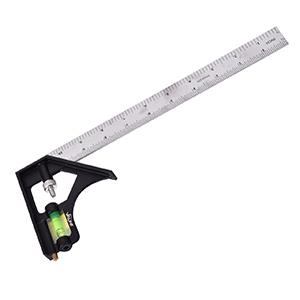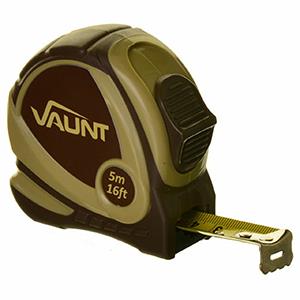
Vaunt Guides and Measures
Vaunt measuring tools help you set out right first time, whether you're marking stud, checking level, or sizing up openings before the cut goes wrong.
On site, bad measurements cost time, materials, and a lot of moaning. The Vaunt measuring equipment and Vaunt guides range covers the everyday essentials trades actually reach for, from a Vaunt tape measure in your pouch to a Vaunt spirit level for setting frames, plus Vaunt square and Vaunt laser level options when the job needs cleaner, faster set-out. If you want solid kit for first fix, snagging, and day-to-day setting out, this Vaunt measuring range is where to start.
What Are Vaunt Measuring Tools Used For?
- Setting out stud walls, kitchen runs, door linings, and boxing-in work is where vaunt measuring tools earn their keep, giving you straight lines and repeatable marks before anything gets fixed in place.
- Checking floors, frames, lintels, and pipe routes with vaunt measuring equipment helps stop small level errors turning into bigger fitting problems later in the job.
- Marking timber, sheet material, trunking, and trim with vaunt guides and squares keeps cuts honest, especially on second fix and finishing work where a bad line shows up straight away.
- Running quick room sizes, opening widths, and install heights with a vaunt tape measure or digital measure saves walking back and forth when quoting, planning, or snagging.
- Laying out tiles, sockets, battens, and repeated fixing points with a vaunt laser level speeds up neat, consistent work where hand-marking every line would slow you right down.
Choosing the Right Vaunt Measuring Tools
Sorting the right one is simple. Match the tool to the job you do most, not the one you only need once in a blue moon.
1. Pocket Tape or Longer Measure
If you are measuring timber, openings, and fixing centres all day, a compact tape is the one that lives on your belt. If you are setting out bigger rooms, external work, or longer runs, go longer so you are not trying to piece measurements together and hoping they add up right.
2. Spirit Level or Laser Level
If you are checking single items like frames, posts, or units, a spirit level is quicker and tougher for daily knocks. If you are lining out multiple fixing points, tile courses, or long runs of cabinets, a laser level saves a lot of marking and keeps everything consistent across the whole area.
3. Square or Bevel
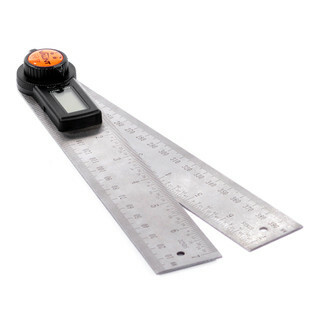
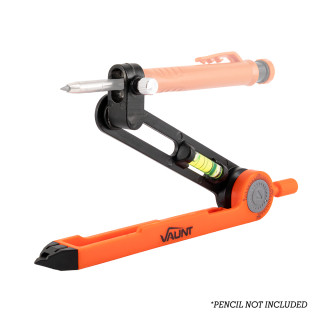
If most of your work is straight 90 degree marking on timber or sheet, a square is the obvious choice. If you are dealing with awkward returns, scribed work, or older properties where nothing is truly square, a bevel gauge gives you the angle you actually have, not the one you wish you had.
4. Manual or Digital Measuring
If you need quick, rough-and-ready dimensions on busy site work, manual measuring kit is faster and simpler. If you are quoting rooms, checking repeated dimensions, or working where long internal measurements are a pain with a tape on your own, digital measures save time and cut down on misreads.
Who Uses These on Site?
- Chippies rely on vaunt measuring tools for first fix studwork, hanging doors, and trimming kitchens, because if your set-out is off at the start, every cut after it fights you.
- Sparkies use vaunt measuring equipment for marking socket heights, tray runs, and fixing centres, and most keep a tape and square close by for quick, clean layout work.
- Plumbers and heating fitters reach for vaunt guides when setting bracket positions, radiator centres, and pipe routes, especially where neat spacing matters in visible areas.
- Tilers and bathroom fitters use laser levels and spirit levels to keep courses, trims, and sanitaryware straight, because once adhesive is on the wall, there is no room for guessing.
- Site managers, snagging teams, and general builders use the Vaunt measuring range for checking openings, floor levels, and installed work before handover or the next trade comes in.
The Basics: Understanding Vaunt Guides and Measures
This range covers a few different ways of getting the same thing right: level, square, and measured properly before you cut or fix. Here is the simple version.
1. Tapes and Digital Measures
These are for getting dimensions. A tape is your everyday grab for short to medium measurements on timber, openings, and fixings. A digital measure comes into its own for longer internal runs, empty rooms, and one-man measuring where holding a tape at both ends is a nuisance.
2. Spirit Levels and Laser Levels
Both check level and plumb, but they do it differently. A spirit level checks one point or one item at a time, which is spot on for frames, boxes, and units. A laser throws a constant line across the work area, which is what you want for repeated fixing heights, tile lines, and longer set-out jobs.
3. Squares and Guides
These are about marking clean reference lines and holding consistent angles. On site, that means straighter cuts, neater joints, and less waste when you are working through timber, sheet, trim, or fitted work.
Choose the Right Vaunt Measuring Tools for the Job
Use this quick guide to sort the right bit of measuring kit for the work in front of you.
| Your Job | Category or Type | Key Features |
|---|---|---|
| Daily set-out, studwork, and general first fix | Tape measure | Compact size, clear markings, easy belt carry, solid blade stand-out for one-handed measuring |
| Checking door frames, units, posts, and pipework | Spirit level | Accurate vials, strong frame, easy-read profile, lengths to suit tight spaces or longer runs |
| Marking square cuts on timber, boards, and trim | Square or bevel | Clean angle marking, repeatable layout, useful for first fix and awkward scribed work |
| Tiling, kitchen fitting, and lining out repeated fixing heights | Laser level | Projected level line, faster room-wide set-out, less remarking across longer walls |
| Measuring rooms, openings, and longer internal runs on your own | Digital measure | Quick distance readings, less faff over long spans, handy for quoting and planning |
Common Buying and Usage Mistakes
- Buying a short level for long set-out work is a common one. It is fine for checking boxes and brackets, but on door linings, units, or longer runs it can hide dips and throw the whole finish off.
- Using a tape alone for repeated level marks wastes time and opens the door to small errors. If you are fixing multiple points across a wall, use a laser or level line and save yourself correcting it later.
- Assuming any square will do often ends in poor cuts and gaps on visible finish work. Match the square or bevel to the material and angle work you actually do, especially on trims and fitted joinery.
- Leaving measuring kit loose in the van knocks accuracy out over time and trashes readable faces. Store levels, lasers, and squares properly so they stay true and ready for the next job.
- Choosing digital measuring for every job sounds clever, but it is not always quicker. For short, rough site measurements a tape is usually faster, while digital comes into its own on longer internal distances and one-man measuring.
Tape Measures vs Spirit Levels vs Laser Levels
Tape Measures
Best for fast dimensions, mark-outs, and daily carry. A tape is the basic bit of kit every trade uses, but it will not help much when you need multiple level reference points across a room.
Spirit Levels
Best for checking individual items like frames, posts, boxes, and cabinets. They are tougher and simpler than lasers for rough site use, but slower when you need to transfer the same level line across a bigger area.
Laser Levels
Best for room-wide set-out, tiling, kitchens, and repeated fixing heights. They save time and keep lines consistent, but for quick spot checks and knockabout site work, a standard level is still the handier option.
Squares and Bevels
These are for angle control and clean marking rather than level checks. If your job is cutting timber, sheet, trim, or working around out-of-true walls, they solve a different problem and are worth having alongside tapes and levels.
Maintenance and Care
Wipe Down After Dusty Work
Dust, plaster, and adhesive build-up can make markings harder to read and moving parts stick. Give tapes, squares, and levels a quick clean after use so they stay clear and accurate.
Store Levels and Lasers Properly
Do not leave them rattling around with breakers and hand tools in the van. A hard knock can throw accuracy off, crack housings, or damage vials and lenses without it being obvious straight away.
Keep Tape Blades Clean and Dry
If a tape comes back wet or gritty, wipe the blade before retracting it fully. That helps stop rust, keeps the return action smoother, and stops muck getting dragged into the casing.
Check Accuracy If It Has Taken a Knock
If a spirit level or laser has been dropped, do not just trust it and crack on. Check it against a known line or reference point first, because one bad reading can ruin a whole run of work.
Replace Worn Kit Before It Costs You
If tape markings are fading, blades are kinking, or square edges are battered, swap them out. Measuring kit is only useful when you can trust it, and worn tools usually cost more in mistakes than replacement does.
Why Shop for Vaunt Measuring Tools at ITS?
Whether you need a belt-ready tape, a site-tough level, or full set-out kit from the Vaunt measuring range, we stock the lot. That includes Vaunt Spirit Levels, Vaunt Squares & Bevels, Vaunt 5m & 16ft Tape Measures, Vaunt Laser Levels, and Vaunt Digital Measures, all held in our own warehouse and ready for next day delivery.
Vaunt Measuring Tools FAQs
What measuring tools does Vaunt make?
Vaunt makes the core measuring kit most trades use day in, day out. That includes tape measures, spirit levels, laser levels, squares, bevels, and digital measures for setting out, checking level, marking cuts, and measuring rooms or openings properly.
Are Vaunt measuring tools accurate enough for professional use?
Yes, for normal trade work they are absolutely up to the job. They are built for real first fix, second fix, fitting, and snagging tasks where you need measurements and set-out you can trust, provided the tool is looked after and checked if it has taken a proper knock.
What is included in the Vaunt guides and measures range?
The Vaunt guides and measures range covers the basics that keep work straight, square, and properly set out. Expect tapes, levels, squares, bevels, and related measuring kit used across joinery, electrical, plumbing, tiling, and general building work.
Are Vaunt laser levels suitable for tiling?
Yes, they are a good fit for tiling where you need clean, repeatable level lines across a wall. They make it much easier to keep courses, trims, and feature lines consistent, especially in kitchens and bathrooms where wonky lines stand out straight away.
Will a Vaunt tape measure put up with daily site use?
Yes, for normal site work it is the sort of kit you can keep on your belt and use all day. Like any tape, it will last better if you do not let the blade snap back filthy or wet, and if you replace it once the blade kinks or the markings start to wear off.
Do I need a spirit level if I already own a laser level?
Yes, most trades still carry both. A laser is brilliant for long runs and repeated marks, but a spirit level is quicker for checking a single frame, box, shelf, or post without setting extra kit up.