Vaunt Hammers & Mallets
Vaunt hammers are built for striking, pulling, breaking and knocking together the everyday jobs that punish weak handles and soft faces fast.
When you are pulling nails, knocking studs into line or breaking out block, this is the kit you reach for. The Vaunt hammer range covers proper site staples from claw and framing patterns to lump options and a Vaunt mallet for jobs where steel would mark the work. If you already know what shape suits the task, start there and pick a weight and handle that will still feel right at the end of a full shift.
What Are Vaunt Hammers Used For?
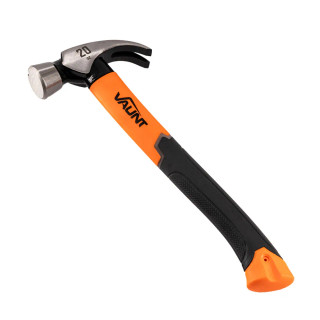
- Driving nails into studwork, roofing battens and general timber first fix is where a Vaunt claw hammer or Vaunt carpenter hammer earns its keep, especially when you are moving fast and need a clean pull on bent fixings.
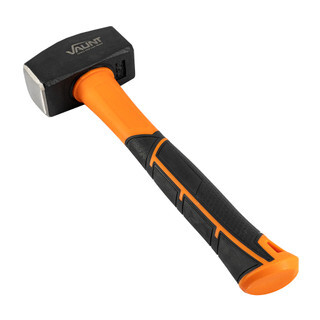
- Breaking small sections of block, knocking out old render and persuading stubborn masonry into place is proper Vaunt lump hammer work, the sort of job where a lighter DIY hammer gives up quickly.
- Framing walls, fixing shuttering and heavier timber assembly suits a Vaunt framing hammer because you get the striking power needed for repeated nail driving without faffing about with underweight kit.
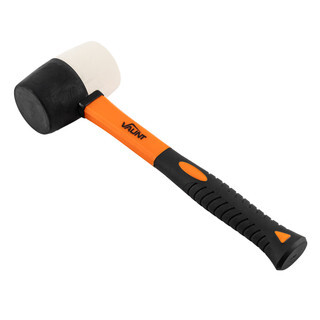
- Tapping slabs, edging trim into place or assembling parts without bruising the finish is exactly where a Vaunt mallet comes in, especially when a steel face would leave marks you then have to put right.
- Pairing striking tools with Vaunt Utility Demolition Bars makes strip-out quicker when you are lifting boards, pulling fixings and opening up work on refurbs.
Choosing the Right Vaunt Hammer
Sorting the right one is simple. Match the head style and weight to the work, not to what happens to be nearest in the van.
1. Claw Hammer or Lump Hammer
If you are mostly driving and pulling nails in timber, go straight to Vaunt Claw Hammers. If you are breaking masonry, knocking posts or hitting cold chisels, use Vaunt Lump Hammers instead. One is for carpentry jobs, the other is for impact work.
2. Steel Face or Mallet Face
If the material can mark, chip or bruise, do not risk it with a steel hammer. Go with Vaunt Mallets for paving, trim, assembled parts and finished surfaces where control matters more than outright force.
3. Weight for the Shift
If you are doing repeated striking all day, do not just buy the heaviest head and hope for the best. Heavier hammers hit harder, but they also tire your wrist and shoulder quicker. For mixed van work, pick the weight you can control cleanly for a full shift.
4. Handle Material and Grip
If your tools live in the van, get dragged across site and see wet weather, fibreglass handled options usually take abuse better and need less looking after. Wooden handles still suit plenty of users, but they want a bit more care if they are going to stay sound.
Who Uses These on Site?
- Chippies and joiners keep a Vaunt claw hammer close for first fix, stud walls and general timber work because it drives and pulls nails without carrying extra kit for simple jobs.
- Brickies, groundworkers and demo crews reach for Vaunt lump hammers when they are knocking back block, breaking awkward sections and doing the sort of rough work that chews through lighter tools.
- Roofers and timber framers favour heavier striking patterns for repeated nailing on battens, carcassing and framing, where balance matters as much as head weight over a long day.
- Kitchen fitters, landscapers and snagging teams use a Vaunt mallet for tapping parts home without wrecking finished surfaces, whether that is edging, panels, paving or assembled components.
Useful Extras to Keep the Job Moving
The right supporting kit saves wasted effort when you are striking, pulling apart or setting materials in place.
1. Demolition Bars
A hammer will get fixings moving, but a proper pry bar finishes the job without wrecking your hands or chewing up the work area. Keep one alongside your striking tools for strip-out, board lifting and nail pulling.
2. Cold Chisels and Bolsters
If you are using a lump hammer on masonry, pair it with the right chisel rather than trying to crack or trim material freehand. It is quicker, cleaner and far less likely to leave a mess you have to tidy later.
3. Nail Pullers and Wrecking Tools
For refurb and strip-out work, using dedicated pulling tools stops you twisting a claw where it should not be forced. That means less damage to timber you want to keep and less strain on the hammer itself.
Choose the Right Vaunt Hammer for the Job
Use this as a quick guide before you pick a head shape and weight.
| Your Job | Hammer Type | Key Features |
|---|---|---|
| General first fix, studwork and nail pulling | Vaunt claw hammer | Curved claw, balanced head, suited to repeated driving and pulling of common fixings |
| Heavier timber framing and repeated nailing | Vaunt framing hammer | More striking power, straighter claw style, better for carcassing and rough timber work |
| Breaking block, hitting chisels and rough demolition | Vaunt lump hammer or club hammer | Short handle, compact heavy head, built for controlled force in tight working areas |
| Tapping slabs, trim or assembled parts without marking | Vaunt rubber mallet | Non marking face, controlled impact, safer on finished surfaces and brittle materials |
Common Buying and Usage Mistakes
- Buying one hammer to do every job usually means it is wrong for most of them. Use a claw for nails, a lump for masonry impact and a mallet where you need to protect the surface.
- Going too heavy sounds sensible until your arm is gone by midday. If you are swinging it all day, choose a weight you can control cleanly rather than the biggest head on the shelf.
- Using a steel faced hammer on finished materials is a quick way to leave dents, chips and call-backs. Swap to a rubber mallet when the surface matters.
- Ignoring handle condition is asking for trouble. If the grip is loose, cracked or damaged, sort it before site use because a failing handle under load is not worth the risk.
- Prying with the hammer where a bar is needed can twist the claw and waste time. Keep the hammer for striking and use the right demolition tool for levering.
Claw Hammer vs Lump Hammer vs Rubber Mallet
Vaunt Claw Hammer
Best for timber work, general nail driving and pulling fixings back out cleanly. This is the everyday site hammer for joiners, roofers and first fix work. It is not the right choice for masonry impact or striking finished surfaces.
Vaunt Lump Hammer
Best for heavy blows in compact spaces, breaking block, knocking chisels and rough demolition. It gives you far more short range impact than a claw hammer, but you lose the nail pulling function and finesse needed for carpentry.
Vaunt Rubber Mallet
Best where you need to move or seat materials without bruising them. It suits paving, trim, panels and assembly work. It is the wrong tool for nails, masonry break-out or anything that needs a hard steel face.
Maintenance and Care
Clean Off Dust and Debris
Wipe heads and handles down after rough jobs, especially after masonry or wet outdoor work. Grit left in the grip and around the head just wears things faster.
Check the Handle Regularly
Look for cracks, loose heads or grip damage before using it again. A hammer that feels slightly off in the hand usually gets worse quickly once it is back under load.
Store It Dry
Leaving striking tools wet in the van or bottom of a bucket soon shows up as corrosion on the head and tired handle materials. Dry storage keeps them ready and safer to use.
Do Not Mushroom or Abuse the Face
Use the hammer for the job it is meant for. Repeated misuse against hardened steel, awkward edges or poor striking angles can damage the face and make accurate blows harder.
Replace When Control Goes
If the head is damaged, the handle is compromised or the face is worn enough to affect accuracy, retire it. A tired hammer costs more in poor work and risk than a replacement does.
Why Shop for Vaunt Hammers at ITS?
Whether you need a single vaunt hammer for first fix or want to compare the full spread across Hammers & Mallets, we stock the range that trades actually use, including claw, lump and mallet options. It is all held in our own warehouse, so when the job cannot wait, your kit is in stock and ready for next day delivery.
Vaunt Hammer FAQs
What hammers does Vaunt make?
Vaunt covers the main site staples. In this range you will find claw hammers for timber and nail work, lump or club hammers for heavier impact jobs, and mallets for striking without marking the material. That gives most trades a proper spread for first fix, demo and finishing work without drifting into gimmicky patterns you will never use.
Are Vaunt hammers suitable for professional use?
Yes, they are built for real trade use rather than occasional shed jobs. They are the sort of tools suited to daily van life, general site abuse and repeated striking work. As always, suitability comes down to picking the right hammer type for the job instead of expecting one pattern to cover everything.
What is the difference between a Vaunt claw hammer and lump hammer?
A Vaunt claw hammer is for driving and pulling nails in timber work. It gives you a striking face on one side and a claw for extracting fixings on the other. A Vaunt lump hammer is shorter, heavier in the head and made for compact force on masonry, chisels and rough demolition. If you are building studwork, use the claw. If you are breaking block, use the lump.
Are Vaunt hammers fibreglass or wooden handled?
Vaunt hammers can come in different handle materials depending on the pattern. Fibreglass handled versions are a strong choice for busy site use because they shrug off damp conditions and rough treatment well. Wooden handles still suit plenty of users for feel and balance, but they want a bit more care in storage and upkeep.
Will a Vaunt mallet mark finished surfaces?
Used properly, a Vaunt mallet is exactly what you want when steel would leave dents or chips. It is well suited to tapping slabs, edging trim into place and assembling parts. It is not magic, though. Hit too hard or strike grit trapped on the face and you can still mark the job, so keep it clean and let the head do the work.
Do I need a framing hammer or will a standard claw hammer do?
If your work is general repairs, snagging, light first fix and the odd nail, a standard claw hammer is usually enough. If you are repeatedly driving nails into carcassing, battens or heavier timber, a framing hammer makes more sense because it is built for that faster, harder striking style.