Vaunt Clamps
Vaunt clamps keep timber, sheet and assemblies locked where you put them, whether you're gluing up in the shop or fixing awkward pieces on site.
When you're trying to hold work square, flush and still, this is the kit that saves time and bad joints. Vaunt clamps cover proper day to day trade jobs, from Vaunt F Clamps for steady pressure, to Vaunt Bar Clamps and Vaunt Quick Clamps when you need one handed speed. If you're sorting benches, carcasses, doors or trim, pick the right reach and capacity and get the job held properly.
What Are Vaunt Clamps Used For?
- Holding timber tight during glue ups, Vaunt woodworking clamps keep boards, rails and cabinet parts from creeping while the adhesive grabs.
- Assembling doors, frames and carcasses on site, vaunt clamping helps keep corners square while you fix, pin or check your measurements.
- Securing sheet material or worktops to benches and trestles, vaunt bar clamps give you the reach needed without the work shifting halfway through the cut.
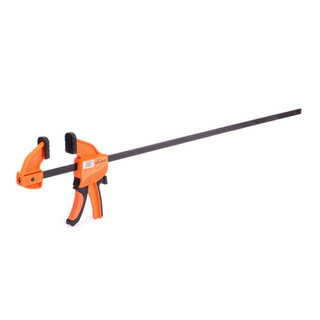
- Grabbing trim, battens and smaller sections during second fix, vaunt quick clamps are handy when you need one free hand for positioning or fixing.
- Pinning awkward parts in place for routing or saw work, the wider Clamps range is what stops chatter, slip and wasted material.
Choosing the Right Vaunt Clamps
Sorting the right one is simple: match the clamp to the job and the size of the work, not just whatever is nearest in the van.
1. F Clamp or Quick Clamp
If you need more controlled pressure for glue ups or pulling timber tight, go with vaunt f clamps. If you are holding trim, battens or light sheet for quick fixing, quick clamps are faster and less fiddly.
2. Capacity Matters More Than You Think
Do not buy short clamps for long work and hope for the best. If you are building carcasses, doors or wider assemblies, choose a longer bar or sash style so you get proper reach without packing out with scraps.
3. Throat Depth for Awkward Fixing
If you need to clamp further in from the edge, check the throat depth before anything else. Shallow clamps are fine on trim and narrow stock, but they are no use if the pressure point needs to sit well inboard.
4. Buy a Set if You Are Doing Repetitive Assembly
A vaunt clamp set makes sense when you are doing repeated glue ups or fitting runs of similar parts. One clamp never does the whole job, and matching sizes make it easier to keep pressure even across the work.
Who Uses These on Site?
- Chippies use vaunt clamps for first fix and second fix jobs where timber needs holding dead still for cutting, gluing or fixing.
- Joiners swear by vaunt f clamps and sash style options for bench work, cabinet assembly and keeping glue ups tight along the full length.
- Kitchen fitters reach for vaunt quick clamps when lining up end panels, scribes and trims because they are faster to set with one hand in tight spaces.
- Site carpenters and installers use Guide Rail Clamps alongside standard clamps when they need sheet goods locked down accurately for clean saw cuts.
Clamp Extras That Make the Job Easier
A couple of simple add ons save marked timber, slipping work and repeat trips back to the bench.
1. Clamp Pads
Get pads on the jaws when you are working on finished timber, painted parts or anything soft. They stop the clamp face bruising the job and save you from extra filling, sanding or snagging later.
2. Guide Rail Clamps
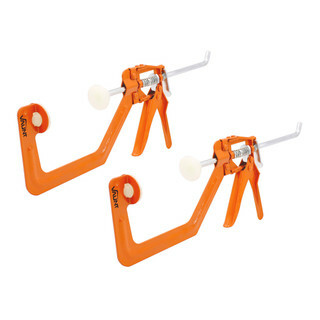
If you are cutting sheet goods with a track saw, standard clamps can get in the way. Guide rail clamps hold the rail properly underneath so you are not fighting movement halfway through a cut.
3. Bench Dogs or Work Stops
These help stop the work skating about while you position your clamps. Handy on benches and MFT style tops when you are trying to square up panels or long sections on your own.
Choose the Right Vaunt Clamps for the Job
Use this quick guide to sort the right clamp type before you start.
| Your Job | Clamp Type | Key Features |
|---|---|---|
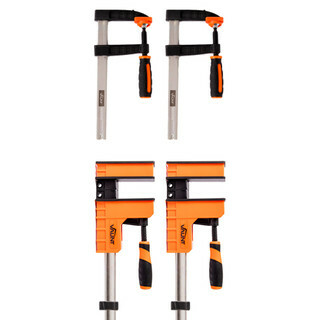
| Gluing up boards and cabinet parts | Vaunt F Clamps | Controlled pressure, solid grip, good for keeping joints tight and square |
| Holding long frames, doors or wider assemblies | Vaunt Bar Clamps or sash clamps | Long reach, even pressure across bigger work, less need for makeshift packing |
| Quick second fix and trim holding | Vaunt Quick Clamps | One handed use, fast adjustment, useful when the other hand is positioning the work |
| General metalwork or tight edge holding | Vaunt G Clamps | Compact shape, steady pressure, handy where a bar clamp is too bulky |
Common Buying and Usage Mistakes
- Buying too few clamps is the classic mistake. One or two will not hold a glue up evenly, so the work twists, gaps open and you end up fighting the assembly.
- Choosing the wrong length catches plenty of lads out. If the clamp only just reaches, setup becomes awkward and pressure ends up in the wrong place, so size up properly from the start.
- Over tightening can do as much harm as under tightening. Too much force marks timber, bows lighter stock and squeezes out too much glue, so tighten until the joint closes and stays put.
- Using bare jaws on finished material is asking for dents and witness marks. Fit pads or protect the surface with suitable packing if the face needs to stay clean.
- Leaving glue, dust and swarf on the bars shortens the life of the clamp. Clean them off after use or the action gets rough and the jaws stop moving freely.
F Clamps vs Quick Clamps vs G Clamps
Vaunt F Clamps
These are the steady all rounders for joinery, glue ups and pulling work tight. They are better than quick clamps when you need more controlled pressure and a firmer hold over longer periods.
Vaunt Quick Clamps
Best when speed matters and one hand is already busy holding the work. They are ideal for trim, battens and temporary holding, but they are not the first pick for heavy glue ups or bigger assemblies.
Vaunt G Clamps
Good for compact clamping and jobs near the edge where a bar clamp feels bulky. They are solid and simple, but slower to wind in and less flexible on wider work than F or bar clamps.
Maintenance and Care
Clean the Bars After Glue Ups
Wipe off wet glue before it hardens on the bar or around the jaws. Leave it there and clamp movement gets rough, especially on repeated bench work.
Keep Threads and Slides Moving
A light clean and occasional lubrication on moving parts helps the clamp adjust properly. Do not drown it in oil though, or it ends up attracting dust and muck.
Store Them Straight and Dry
Do not leave clamps dumped in the back of the van under wet gear. Keep them dry and laid flat or hung up so bars stay straight and rust does not get a foothold.
Check Jaw Faces for Damage
If pads are torn or jaw faces are burred, they will mark the work. Replace worn pads and smooth off any rough spots before they ruin a finished piece.
Why Shop for Vaunt Clamps at ITS?
Whether you need individual vaunt clamps for the bench or a full spread of sizes for site fitting, we stock the proper range in one place. That means vaunt f clamps, bar clamps, quick clamps and more, all in our own warehouse and ready for next day delivery.
Vaunt Clamps FAQs
What clamps does Vaunt make?
Vaunt makes the clamp types most trades actually use, including F clamps, bar clamps, quick clamps, G clamps and sash style options. It covers everything from quick holding during second fix to longer glue up work on doors, frames and cabinets.
Are Vaunt clamps good for woodworking?
Yes, they are a solid choice for woodworking. They are well suited to holding boards, carcasses, trims and glued joints while you assemble, pin or leave parts to cure. As ever, the main thing is choosing the right style and length for the work rather than trying to make one clamp do every job.
What clamping force do Vaunt clamps provide?
Clamping force depends on the clamp type and size. F clamps and bar clamps are the better pick when you need stronger, steadier pressure for glue ups, while quick clamps are more about fast holding and positioning than maximum squeeze. Check the product spec if you need a particular force for repetitive bench work.
What sizes do Vaunt clamps come in?
Vaunt clamps come in a spread of sizes to suit small trim work right up to longer assemblies. You will typically want shorter clamps for bench tasks and second fix, then longer bar or sash options for doors, cabinets, wider frames and full glue ups.
Will Vaunt quick clamps replace proper F clamps?
Not really. Quick clamps are brilliant for speed, temporary holding and lighter fitting jobs, but if you are pulling joints tight or clamping up heavier sections, proper F clamps are still the better tool.
Do I need clamp pads for finished timber?
Yes, if the surface needs to stay clean. Bare jaws can leave dents or shiny witness marks on painted, varnished or soft timber, so pads or protective packing are well worth using.