Trend Workwear & PPE
Trend workwear and PPE keeps you protected and moving on site without fighting your kit all day.
When you're cutting, drilling, grinding, or just dragging materials through a rough refurb, you need gear that fits right and lasts. Trend's range covers the basics that stop dust, knocks, and weather slowing the job down.
What Are Trend Workwear and PPE Used For?
- Working around MDF, plaster, and masonry dust by using properly rated masks and filters that actually seal on your face, not just hang there.
- Cutting and grinding on second fix and refurb jobs with eye and face protection that stops fine dust and sparks getting where they shouldn't.
- Keeping hands usable through repetitive handling, sharp edges, and rough materials with gloves that give grip without killing your feel on fixings.
- Staying compliant on busy sites by having the right PPE to hand, so you are not stood at the gate because you forgot something basic.
- Getting through wet, cold, or draughty days with workwear that layers properly and does not snag or ride up when you are up ladders or on your knees.
Who Are Trend Workwear and PPE For on Site?
- Chippies and kitchen fitters who are cutting sheet goods all day and need decent dust and eye protection that does not fog up or slip.
- Sparks and plumbers working in lofts, risers, and ceiling voids where dust, insulation, and tight access make good PPE non negotiable.
- Groundworkers and landscapers who want hard wearing gloves and workwear for shifting materials, barrowing muck, and working in all weather.
- Maintenance teams and site managers who keep spares in the van for visitors, quick call outs, and staying compliant without delays.
Choosing the Right Trend Workwear and PPE
Pick PPE to match the risk on the job, not what feels easiest to wear for five minutes.
1. Dust level and mask rating
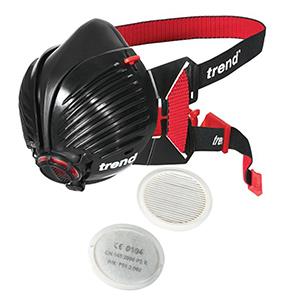
If you are cutting MDF, sanding fillers, or chasing block, do not gamble with a loose disposable that leaks round the nose. Go for a properly fitting respirator and the right filters so you are not coughing it up later.
2. Comfort and fit over a full shift
If it pinches, steams up, or slips when you look down, you will stop wearing it. Look for adjustable straps, decent seals, and eye protection that sits right with your hood, beanie, or ear defenders.
3. Workwear for the way you actually move
If you are kneeling, climbing, or carrying, you want tough fabric and a cut that lets you bend without the waistband dropping or the knees blowing out. For van based work, lighter layers make more sense than bulky gear you end up taking off.
The Basics: Understanding PPE Ratings and Fit
PPE only does its job if it is the right type for the hazard and it fits properly. Here is what matters when you are choosing for real site work.
1. Respirators and filters
A mask that does not seal is basically decoration. A proper respirator with the correct filters is what keeps fine dust out when you are cutting, sanding, drilling, or cleaning up, especially indoors.
2. Eye and face protection coverage
Specs are fine for general dust, but if you are grinding, cutting, or working overhead, you want coverage that wraps and stays put so you are not catching debris from the side.
3. Gloves are about grip and control
The best gloves are the ones you can still work in. Too thick and you cannot start fixings or feel a trigger properly, too thin and they shred fast, so match the glove to the handling and abrasion you are doing.
PPE Extras That Stop the Job Stalling
A couple of spares and the right add ons mean you keep working instead of making do with unsafe kit.
1. Replacement filters and pre filters
Filters clog up fast on MDF and plaster dust, and that is when lads start loosening masks to breathe easier. Keep spares so your respirator stays comfortable and protective all week.
2. Spare safety specs or goggles
Eye pro gets scratched, lost, or covered in sealant and you cannot see a thing. A spare pair in the van saves you bodging the rest of the day or risking a trip to A and E.
3. Ear defenders or ear plugs
If you are running saws, grinders, or breakers, hearing protection is not optional. Keep a set with your cutting kit so you are not borrowing manky plugs or going without.
Why Shop for Trend Workwear and PPE at ITS?
Whether you are topping up the basics or kitting out for dusty, noisy site work, we stock a proper range of Trend workwear and PPE in the sizes and types trades actually use. It is all held in our own warehouse, in stock and ready for next day delivery.
Trend Workwear and PPE FAQs
Is Trend PPE actually suitable for proper site work, or is it more DIY?
It is aimed at trade use, but the key is choosing the right item for the hazard. For dusty cutting and sanding, pick a properly fitting respirator and keep filters fresh, rather than relying on the cheapest disposable option.
How do I stop safety glasses steaming up when I am masked up?
Fogging is nearly always a fit issue. Get the mask sealed properly around the nose so warm breath is not blowing straight up into the lenses, and use eye protection that sits close without gaps that pull air in.
Do I really need a respirator for MDF and plaster dust?
Yes, if you are cutting, sanding, or cleaning up indoors you will be breathing it otherwise. MDF and plaster dust hang in the air and get everywhere, so a good seal and the right filters make a noticeable difference by the end of the day.
How often should I change filters on a reusable mask?
When breathing resistance goes up, the mask starts smelling of the job, or the filters look clogged, swap them. On heavy sanding or chasing, that can be sooner than you think, so keep spares ready rather than trying to stretch them.
Is workwear sizing consistent, or should I size up for layers?
If you are wearing it over hoodies or thermals, sizing up usually saves you feeling restricted when you are reaching, kneeling, or lifting. For lighter van based work, stick to your normal size so it does not snag and catch on fixings.