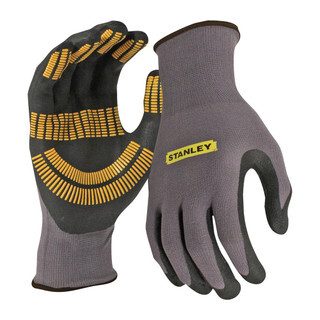
Stanley Gloves
Stanley gloves are for keeping your hands working when the job's rough, wet, sharp, or cold.
On site you only get one pair of hands, so don't wreck them on block edges, sharp fixings, or wet materials. Stanley work gloves give you grip, protection, and dexterity for daily handling, fitting, and clean-up.
What Are Stanley Gloves Used For?
- Handling blocks, bricks, timber, and sheet materials without shredding your palms on rough edges and splinters.
- Working with fixings, cable, and sharp offcuts where you need finger feel but still want proper cut and scrape protection.
- Loading the van, shifting gear, and dragging materials around site with more grip so you are not fighting slips all day.
- Wet and cold-day graft where a decent glove stops numb fingers and keeps you moving instead of stopping to warm up.
- General site clean-up and snagging where you are constantly picking up debris and you want protection without losing control.
Who Are Stanley Gloves For on Site?
- Labourers and groundworkers shifting materials all day who need grip and abrasion resistance that lasts past break time.
- Chippies and joiners doing first fix and sheet handling who want protection without gloves feeling like boxing mitts.
- Sparks and fitters pulling cable, clipping, and working around sharp tray and trunking edges where finger control still matters.
- Maintenance teams and site managers doing inspections and quick fixes who keep a pair in the van for the jobs that bite.
Choosing the Right Stanley Gloves
Sorting the right gloves is simple: match the protection level to what is actually chewing your hands up on the job.
1. Dexterity vs Protection
If you are doing fiddly fixings, cable work, or tool adjustments, go for a closer-fitting glove that lets you feel what you are doing. If you are shifting blocks, boards, or scrap all day, step up to a tougher glove that takes abrasion and knocks.
2. Grip for the Conditions
If you are working in the wet or handling smooth materials, prioritise a glove with a proper grippy palm so you are not white-knuckling every lift. For dry indoor work, you can go lighter to keep your hands cooler and more precise.
3. Sizing and Cuff Style
If the glove is too big, you will snag it and lose control on tools and fixings, so size it snug. If you are in dusty work or rubble, a longer cuff helps keep the muck out; for quick on and off jobs, a shorter cuff is less faff.
Glove Add Ons That Save Time on Site
A couple of small extras stop you binning gloves early or working bare-handed when you should not.
1. Disposable Nitrile Gloves
Keep a box in the van for sealants, adhesives, oils, and dirty snagging jobs, then throw them away instead of wrecking your work gloves or getting muck ground into your skin.
2. Hand Cleaner and Barrier Cream
This is what stops your hands cracking up after cement, dust, and solvents, and it makes cleaning up quicker when you are straight from site to the next job.
3. Safety Glasses
If you are wearing gloves because you are cutting, grinding, or breaking out, get your eye protection sorted at the same time so you are not gambling with flying grit and shards.
Shop Stanley Gloves at ITS
Whether you need a light pair for day-to-day handling or tougher gloves for rougher work, we stock a proper Stanley gloves range in the sizes and types trades actually use. It is all held in our own warehouse, in stock and ready for next day delivery.
Stanley Gloves FAQs
Are Stanley gloves any good for all day site handling, or do they split fast?
They are made for site handling, but lifespan depends on the job. For constant block and rubble work, pick a tougher, more abrasion resistant glove and expect to rotate pairs rather than trying to make one set last forever.
Will I still be able to pick up screws and do fixings with these on?
With close fitting handling gloves, yes, you can still grab fixings and work sensibly. If you go too thick for the task, you lose finger feel, so keep heavier gloves for shifting materials and lighter ones for fitting work.
Do they actually help in the wet, or do they just get slippery?
A glove with a proper grippy palm makes a big difference on wet timber, plastic, and smooth packaging. No glove is magic once it is soaked through, so if you are working in proper rain, keep a spare pair and swap out at dinner.
How do I stop gloves stinking and going stiff after a week?
Let them dry properly between shifts, not screwed up in the tool bag. If they are washable, rinse off the worst of the dust and let them air dry, and keep a second pair so you are not wearing damp gloves every morning.
What size should I buy if I am between sizes?
For handling and tool work, go snug rather than baggy, because loose fingertips catch and make you clumsy. If you are mainly doing heavy lifting and want more room, sizing up can be fine, but only if you are not working around rotating tools.