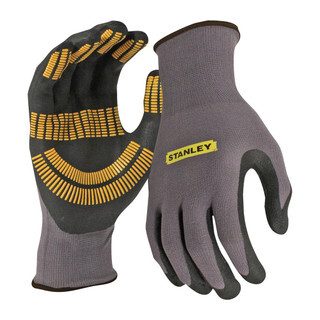
Stanley Gloves
Stanley work gloves give you the grip, cut protection and warmth needed for proper site jobs, from handling block and timber to fitting sharp metal and working in the cold.
If you're shifting sheet material, dragging cable, handling rough timber or working with sharp edges all day, decent hand protection matters. Stanley gloves are built for trade use, with options covering grip, cut resistance, leather protection and thermal warmth, so you can match the glove to the job and avoid torn palms, numb fingers and wasted time. Pick the right pair and get stuck in.
What Are Stanley Work Gloves Used For?
- Handling block, brick, timber and sheet materials on site is easier with Stanley work gloves that give you better grip and save your palms from constant abrasion.
- Working around trunking, metal stud, cable tray and sharp fixings calls for Stanley cut resistant gloves that help reduce nicks and cuts during first fix and refit work.
- Loading vans, shifting tools and clearing waste in wet or muddy conditions suits Stanley grip gloves because they help you hold on when smooth materials get slippery.
- Outdoor jobs in winter, early starts and cold yard work are where Stanley thermal gloves earn their keep by keeping hands warmer without stopping basic handling tasks.
- General building, snagging and maintenance work often needs Stanley builders gloves that can take repeated wear without falling apart after a week of graft.
Choosing the Right Stanley Work Gloves
Sorting the right pair is simple: match the glove to the material and the season, not just the price.
1. Grip Work vs Cut Resistant
If you're mainly carrying block, timber, buckets and general site gear, Stanley grip gloves are the sensible choice because they keep hold of awkward loads. If you're working around sheet metal, trunking, sharp board edges or fixings, go straight to Stanley cut resistant gloves instead.
2. Leather vs Synthetic
If the job is rough, dirty and hard on the hands, Stanley leather work gloves are worth it for heavier wear and better protection when hauling materials. For lighter fitting work where you still need movement in the fingers, synthetic styles are usually less bulky.
3. Thermal for Winter Jobs
Do not buy standard gloves for freezing site mornings and expect them to cope. If you're outside for hours on groundwork, deliveries or yard work, Stanley thermal gloves are the better shout because cold hands slow everything down.
4. Fit Matters More Than You Think
If gloves are too loose, you lose feel and snag them on materials. If they're too tight, your hands tire quicker and the seams take a hammering, so get the size right for proper grip and all-day comfort.
Who Uses These on Site?
- Brickies and labourers use Stanley work gloves for shifting block, loading out and clearing up because rough materials soon chew through bare hands.
- Sparkies and dryliners reach for Stanley cut resistant gloves when working with tray, trunking, stud and sharp-edged board because they still need feel in the fingers without getting sliced up.
- Joiners and fitters keep Stanley grip gloves handy for carrying sheet goods, doors and timber where a secure hold saves dropped materials and trapped fingers.
- Groundworkers, landscapers and yard teams use Stanley leather work gloves and thermal gloves for cold, wet handling jobs where cheap gloves usually end up split or soaked through.
The Basics: Understanding Stanley Work Gloves
Work gloves are not all doing the same job. The main thing is knowing whether you need grip, cut protection or cold-weather cover, because each one changes how the glove performs on site.
1. Grip Gloves
These are built to help you hold tools, materials and fixings without slipping. They are the everyday option for handling timber, block, buckets, plant controls and general site gear where grip matters more than heavy cut protection.
2. Cut Resistant Gloves
These use tougher fibres and higher protection ratings to help reduce cuts from sharp materials. They are the ones to look at for metal stud, ducting, cable tray, sheet stock and any job where edges can open your hands up fast.
3. Thermal and Weather Protection
Thermal gloves add insulation for cold conditions, while some pairs also add water resistance for damp work. They help you keep moving on winter jobs, but bulkier gloves can reduce fingertip feel, so only go thicker when the weather or task genuinely needs it.
Choose the Right Stanley Work Gloves for the Job
Use this quick guide to avoid buying the wrong pair for the work in front of you.
| Your Job | Category or Type | Key Features |
|---|---|---|
| General material handling, loading out and site tidy-ups | Stanley grip gloves | Grippy palm, flexible fit, decent feel for repeated lifting and carrying |
| Working with metal stud, trunking, tray or sharp board edges | Stanley cut resistant gloves | Cut protection rating, close fit, better defence against sharp edges |
| Rough outdoor handling, fencing, yard work and heavier carrying | Stanley leather work gloves | Tough outer, better abrasion resistance, solid palm protection |
| Cold weather site work, deliveries and winter maintenance | Stanley thermal gloves | Insulated lining, warmth for early starts, better comfort in low temperatures |
| Everyday mixed trade work across snagging, fitting and maintenance | Stanley builders gloves | Balanced grip, protection and flexibility for varied site tasks |
Common Buying and Usage Mistakes
- Buying the cheapest glove for every task usually ends with split palms, poor grip and sore hands. Match the glove to the actual job so you are not replacing pairs every few days.
- Using grip gloves where cut protection is needed is a common one on metal and first fix work. If sharp edges are involved, check the cut rating properly instead of guessing.
- Going too thick for fiddly work makes simple jobs harder because you lose feel on fixings, clips and small tools. Keep bulkier thermal or leather gloves for heavier handling and use closer-fitting pairs for detail work.
- Wearing the wrong size causes more trouble than most lads expect. Loose gloves slip and snag, while tight gloves split sooner and make your hands ache by midday.
- Assuming all site gloves are waterproof is how you end up with wet, cold hands on outdoor jobs. Check whether the pair is just breathable, water resistant or actually built for damp conditions.
Grip Gloves vs Cut Resistant Gloves vs Thermal Gloves
Grip Gloves
Best for general handling, loading out, carrying timber and using tools where control matters. They are usually the most flexible option, but they are not the pair to trust around sharp metal edges.
Cut Resistant Gloves
Best for sparks, dryliners and fitters working with sharp materials. They trade a bit of softness for protection, so they are the right buy when a sliced knuckle will stop the job.
Thermal Gloves
Best for cold weather handling, yard work and outside jobs where numb hands slow everything down. They keep you warmer, but they can feel bulkier than a standard site glove for detail tasks.
Leather Work Gloves
Best for rougher abuse, heavier lifting and abrasive jobs that would shred lighter pairs. They last well on dirty work, though they are not always the best option when you need fine finger control.
Maintenance and Care
Clean Off the Worst After Shift
Knock off dust, mud and loose debris before it dries in. Leaving gloves caked in muck hardens the material and wears palms and seams out faster.
Dry Them Properly
If your Stanley gloves get wet, dry them naturally somewhere ventilated. Do not leave them on a direct heater or dashboard all day because that can stiffen materials and shorten their life.
Check Palms and Fingertips
These are the first places to wear through. Once grip coating is gone or holes start opening at the fingertips, stop kidding yourself and replace them before the job turns unsafe.
Store a Spare Pair in the Van
Gloves always seem to get soaked, torn or left behind when you need them most. Keeping a spare dry pair in the van saves a wasted morning and stops you using the wrong gloves for the task.
Replace Worn Safety Gloves Early
Cut resistant and safety gloves only do the job if the protection is intact. If the liner is damaged, the coating is peeling badly or the fit has gone sloppy, retire them and move on.
Why Shop for Stanley Work Gloves at ITS?
Whether you need Stanley grip gloves for daily site handling, Stanley cut resistant gloves for sharp work, or Stanley thermal gloves for winter jobs, we stock the range in depth. Sizes, styles and glove types are all in our own warehouse, in stock and ready for next day delivery, so you can get the right pair on site without hanging about.
Stanley Work Gloves FAQs
What cut level are Stanley work gloves rated to?
It depends on the glove. Stanley work gloves are not all cut rated to the same level, so check the product spec before you buy. For general handling, you may only need grip and abrasion resistance. For metal stud, tray, ducting or sheet materials, look specifically for Stanley cut resistant gloves with a stated cut rating rather than assuming every pair covers it.
Are Stanley gloves touchscreen compatible?
Some are, some are not. If you are constantly checking plans, snag lists or messages on your phone, do not guess from the photo. Check the spec for touchscreen compatibility because heavier leather or thermal pairs often prioritise protection and warmth over screen use.
What is the difference between grip gloves and cut resistant gloves?
Grip gloves are mainly there to help you hold materials, tools and fixings securely, especially when things are dusty or damp. Cut resistant gloves are built to help protect your hands from sharp edges and are the better choice for metal framing, tray, trunking and sheet stock. In simple terms, one is for hold, the other is for hazard.
Are Stanley gloves waterproof?
Not all of them, no. Some Stanley gloves may offer water resistance or better performance in damp conditions, but standard site gloves are usually not fully waterproof. If you are working outside in proper wet weather, read the spec closely and do not assume a thermal or coated glove will keep water out all day.
How do you size work gloves correctly?
You want a snug fit without crushing your fingers or pulling hard across the knuckles. If the glove is loose at the fingertips or baggy in the palm, you lose grip and control. If it feels tight from the start, it will get uncomfortable fast and wear out sooner. For site work, size for all-day movement, not just getting them on.
Will Stanley work gloves last on rough building jobs?
Yes, if you buy the right type for the abuse. Stanley builders gloves and leather styles cope far better with block, timber and repeated lifting than lightweight handling gloves. They are tough, but no glove lasts forever if you use a fine-fitting pair for demolition and waste work.