




Stanley Coats, Jackets & Bodywarmers Stanley Coats, Jackets & Bodywarmers

Stanley Coats, Jackets & Bodywarmers

Stanley coats, jackets and bodywarmers keep you warm and moving on cold, wet site days without getting in the way.

When you're on externals, first fix, or stood on a lift all morning, you need outerwear that blocks wind, shrugs off light rain, and doesn't snag when you're bending, lifting, or reaching. Stanley kit is built for hard wear, with practical pockets and work-ready fits. Pick a bodywarmer for active graft, or a coat when you're static and the weather's turning.

What Jobs Are Stanley Coats, Jackets and Bodywarmers Best At?

  • Working on externals in cold wind where you need a proper outer layer that cuts the chill without restricting your shoulders when you're carrying boards or setting out.
  • Early-start maintenance and call-outs where a bodywarmer gives you core warmth but keeps your arms free for drilling, fixing, and driving screws all day.
  • Wet, changeable site days where a jacket that sheds light rain saves you getting soaked through just walking the job or unloading the van.
  • Warehouse, yard, and plant work where tough fabrics and usable pockets matter because you're in and out of the cab, shifting gear, and grabbing fixings on the move.

Who Are Stanley Coats, Jackets and Bodywarmers For on Site?

  • Chippies and dryliners who need warmth that does not bunch up when you are lifting sheets, working overhead, or wearing a tool belt.
  • Sparks and plumbers doing first fix and snagging who want quick-on layers for cold plots, lofts, and unheated buildings.
  • Groundworkers, landscapers, and labourers who are outside all day and need kit that takes knocks, mud, and constant movement.
  • Site managers and supervisors who are walking the job in all weather and want a warm layer with pockets that actually get used.

Choosing the Right Stanley Coat, Jacket or Bodywarmer

Sort it by how you work: moving all day needs freedom and breathability, standing around needs insulation and length.

1. Bodywarmer vs Jacket vs Coat

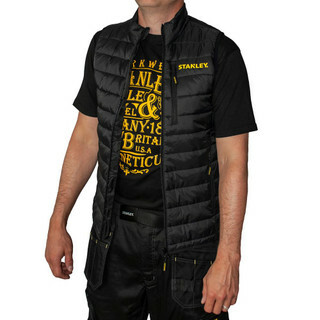
If you are on the tools and constantly reaching, a bodywarmer keeps your core warm without fighting your arms. If you are outside in wind and showers, go jacket for full coverage. If you are static, supervising, or on long outdoor shifts, a longer coat keeps the cold off your back and legs.

2. Fit for layering

If you are wearing a hoodie or mid-layer underneath, do not buy it skin-tight or you will lose movement and split seams. If it is mainly for mild weather over a tee, a closer fit stops draughts and keeps pockets sitting where you can reach them.

3. Weather and wear points

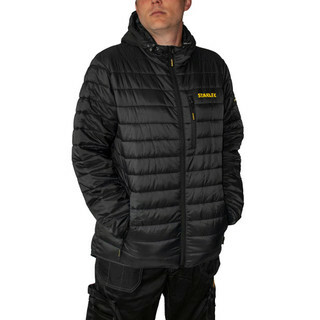
If you are regularly in rain, look for proper water resistance and a hood you will actually use. If you are carrying materials and rubbing against blockwork or scaffold, prioritise tougher outer fabric and reinforced high-wear areas over extra padding you do not need.

Outerwear Add Ons That Make Site Life Easier

Get your layers right and you stay warm without sweating out or losing movement when the pace picks up.

1. Work Hoodies and Sweatshirts

This is the mid-layer that stops you relying on one thick coat all day, so you can strip a layer when you are grafting and throw it back on when you are stood still.

2. Base Layers

A decent base layer keeps the chill off without bulk, which matters when you are wearing a harness, tool belt, or you are in tight spaces where a puffy jacket just gets in the way.

3. Work Gloves

Warm hands keep you working safely and accurately, especially on cold fixings and metalwork where you lose dexterity fast and end up taking gloves off when you should not.

Shop Stanley Coats, Jackets and Bodywarmers at ITS

Whether you need a light bodywarmer for active days or a warmer coat for long shifts outside, we stock a proper range of Stanley outerwear in the sizes and styles trades actually wear. It is all held in our own warehouse, in stock and ready for next day delivery when you need it on site fast.

Stanley Coats, Jackets and Bodywarmers FAQs

Are these Stanley jackets properly waterproof or just shower resistant?

It depends on the exact jacket. A lot of work jackets are built to shrug off light rain and site splashes rather than replace a full waterproof shell. If you are out in proper rain for hours, check the product spec for waterproof ratings and taped seams, not just water resistant wording.

Do bodywarmers actually keep you warm enough on site?

Yes, if you are moving and working. A bodywarmer is about keeping your core warm while your arms stay free for lifting and fixing. If you are stood still in wind, you will want a jacket or coat over the top, or a heavier insulated layer.

Will it fit over a hoodie without feeling tight across the shoulders?

Most trades buy these to layer, but sizing varies by style. If you are broad shouldered or you work overhead a lot, size with movement in mind and check the cut. A jacket that feels fine standing still can bind when you are reaching or carrying.

Are the pockets usable with gloves on?

On good workwear, yes, but pocket openings and zips differ between models. If you live out of your pockets for bits, knife, and tape, look for larger openings and secure closures so you are not dropping gear when you are up ladders or moving materials.

How do I stop the jacket getting wrecked on blockwork and scaffold?

Pick tougher outer fabrics and avoid overly soft fashion-style finishes if you are on rough work. Keep sharp fixings out of open pockets, do zips up before carrying sheets, and do not dry it on full heat if you want it to last.
Read more

Stanley Coats, Jackets & Bodywarmers

Stanley coats, jackets and bodywarmers keep you warm and moving on cold, wet site days without getting in the way.

When you're on externals, first fix, or stood on a lift all morning, you need outerwear that blocks wind, shrugs off light rain, and doesn't snag when you're bending, lifting, or reaching. Stanley kit is built for hard wear, with practical pockets and work-ready fits. Pick a bodywarmer for active graft, or a coat when you're static and the weather's turning.

What Jobs Are Stanley Coats, Jackets and Bodywarmers Best At?

  • Working on externals in cold wind where you need a proper outer layer that cuts the chill without restricting your shoulders when you're carrying boards or setting out.
  • Early-start maintenance and call-outs where a bodywarmer gives you core warmth but keeps your arms free for drilling, fixing, and driving screws all day.
  • Wet, changeable site days where a jacket that sheds light rain saves you getting soaked through just walking the job or unloading the van.
  • Warehouse, yard, and plant work where tough fabrics and usable pockets matter because you're in and out of the cab, shifting gear, and grabbing fixings on the move.

Who Are Stanley Coats, Jackets and Bodywarmers For on Site?

  • Chippies and dryliners who need warmth that does not bunch up when you are lifting sheets, working overhead, or wearing a tool belt.
  • Sparks and plumbers doing first fix and snagging who want quick-on layers for cold plots, lofts, and unheated buildings.
  • Groundworkers, landscapers, and labourers who are outside all day and need kit that takes knocks, mud, and constant movement.
  • Site managers and supervisors who are walking the job in all weather and want a warm layer with pockets that actually get used.

Choosing the Right Stanley Coat, Jacket or Bodywarmer

Sort it by how you work: moving all day needs freedom and breathability, standing around needs insulation and length.

1. Bodywarmer vs Jacket vs Coat

If you are on the tools and constantly reaching, a bodywarmer keeps your core warm without fighting your arms. If you are outside in wind and showers, go jacket for full coverage. If you are static, supervising, or on long outdoor shifts, a longer coat keeps the cold off your back and legs.

2. Fit for layering

If you are wearing a hoodie or mid-layer underneath, do not buy it skin-tight or you will lose movement and split seams. If it is mainly for mild weather over a tee, a closer fit stops draughts and keeps pockets sitting where you can reach them.

3. Weather and wear points

If you are regularly in rain, look for proper water resistance and a hood you will actually use. If you are carrying materials and rubbing against blockwork or scaffold, prioritise tougher outer fabric and reinforced high-wear areas over extra padding you do not need.

Outerwear Add Ons That Make Site Life Easier

Get your layers right and you stay warm without sweating out or losing movement when the pace picks up.

1. Work Hoodies and Sweatshirts

This is the mid-layer that stops you relying on one thick coat all day, so you can strip a layer when you are grafting and throw it back on when you are stood still.

2. Base Layers

A decent base layer keeps the chill off without bulk, which matters when you are wearing a harness, tool belt, or you are in tight spaces where a puffy jacket just gets in the way.

3. Work Gloves

Warm hands keep you working safely and accurately, especially on cold fixings and metalwork where you lose dexterity fast and end up taking gloves off when you should not.

Shop Stanley Coats, Jackets and Bodywarmers at ITS

Whether you need a light bodywarmer for active days or a warmer coat for long shifts outside, we stock a proper range of Stanley outerwear in the sizes and styles trades actually wear. It is all held in our own warehouse, in stock and ready for next day delivery when you need it on site fast.

Stanley Coats, Jackets and Bodywarmers FAQs

Are these Stanley jackets properly waterproof or just shower resistant?

It depends on the exact jacket. A lot of work jackets are built to shrug off light rain and site splashes rather than replace a full waterproof shell. If you are out in proper rain for hours, check the product spec for waterproof ratings and taped seams, not just water resistant wording.

Do bodywarmers actually keep you warm enough on site?

Yes, if you are moving and working. A bodywarmer is about keeping your core warm while your arms stay free for lifting and fixing. If you are stood still in wind, you will want a jacket or coat over the top, or a heavier insulated layer.

Will it fit over a hoodie without feeling tight across the shoulders?

Most trades buy these to layer, but sizing varies by style. If you are broad shouldered or you work overhead a lot, size with movement in mind and check the cut. A jacket that feels fine standing still can bind when you are reaching or carrying.

Are the pockets usable with gloves on?

On good workwear, yes, but pocket openings and zips differ between models. If you live out of your pockets for bits, knife, and tape, look for larger openings and secure closures so you are not dropping gear when you are up ladders or moving materials.

How do I stop the jacket getting wrecked on blockwork and scaffold?

Pick tougher outer fabrics and avoid overly soft fashion-style finishes if you are on rough work. Keep sharp fixings out of open pockets, do zips up before carrying sheets, and do not dry it on full heat if you want it to last.

ITS - All The Tools You Need Click and Collect Icon
Store Opening Hours
Opening times