Stanley Coats, Jackets & Bodywarmers
A Stanley work jacket earns its keep when the weather turns, the job stays outside, and a hoodie just will not cut it on site.
Whether you need a Stanley work coat for wet mornings, a Stanley softshell jacket for active first fix, or a Stanley bodywarmer for layering without losing movement, this is the sort of kit trades actually wear. You want something that keeps the wind off, does not snag every five minutes, and still lets you reach, lift and work properly. Have a look through the range and get the right jacket for the season and the graft.
What Are Stanley Work Jackets Used For?
- Working through wet starts and exposed jobs, a Stanley waterproof jacket keeps the rain off when you are setting out, loading materials, or finishing outside work that cannot wait for better weather.
- Moving between van, plot and scaffold, a Stanley softshell jacket suits trades who need weather protection without the bulk that gets in the way when climbing, reaching or working overhead.
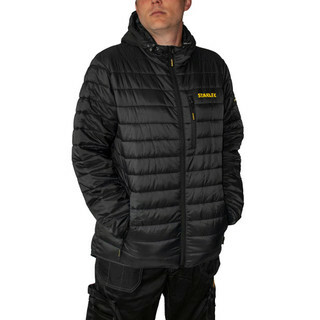
- Keeping warm on first fix, snagging and general site duties, a Stanley padded jacket holds heat better on cold builds where you are standing around less and grafting in draughty shells more.
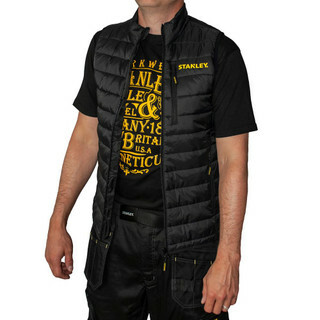
- Layering up for autumn and winter work, a Stanley bodywarmer or Stanley gilet gives you core warmth while leaving your arms free for drilling, cutting, fixing and handling sheet materials.
- Covering yard work, delivery runs and outdoor maintenance, these Stanley work jackets are built for everyday site wear where lighter fashion coats usually end up torn, soaked or left in the van.
Choosing the Right Stanley Work Jacket
Sorting the right one is simple. Match it to the weather, the movement, and whether you are layering up or working flat out.
1. Softshell vs Padded
If you are active all day and need to bend, reach and climb without feeling wrapped up, go for a Stanley softshell jacket. If you are on colder, slower jobs or spending more time exposed outdoors, a Stanley padded jacket will hold heat better.
2. Waterproof vs Shower Resistant
If you are regularly working through proper rain, buy a Stanley waterproof jacket rather than hoping a lighter jacket will cope. For dry days, breezy plots and the odd shower, a standard softshell or work coat is usually enough and less sweaty to wear.
3. Jacket vs Bodywarmer
If your arms need full weather cover, stick with a jacket. If you want warmth round the core but need your shoulders and elbows free for fixing, lifting and driving, a Stanley bodywarmer or Stanley gilet makes more sense.
4. Winter Use and Layering
Do not size up too far just to cram jumpers underneath. If you need a Stanley winter work jacket, pick one that already suits layering, otherwise you end up with cuffs too long, a loose fit round the body, and a jacket that snags on everything.
Who Uses These on Site?
- Chippies wear a Stanley work jacket on first and second fix where they need warmth without loads of bulk catching on sheet goods, doors and studwork.
- Sparkies go for softshell and lighter Stanley jackets when they are in and out of plots all day, climbing steps, running cable and needing easy movement through the shoulders.
- Groundworkers, roofers and landscapers lean towards a Stanley waterproof jacket or Stanley winter work jacket because the job still needs doing when the wind gets up and the site turns filthy.
- Warehouse, yard and delivery teams use Stanley bodywarmers and padded jackets for early starts, loading vans and shifting stock where sleeves can feel too much but a hoodie is not enough.
- Site managers and maintenance teams keep a Stanley work coat handy for walk-rounds, call-outs and snagging because it is proper work kit, not just something that looks the part.
Choose the Right Stanley Work Jacket for the Job
Use this quick guide to sort the right jacket for your shift and the weather.
| Your Job | Category or Type | Key Features |
|---|---|---|
| General site work in changeable weather | Stanley softshell jacket | Flexible fit, wind resistance, lighter feel, easier movement on active jobs |
| Cold outdoor work and winter mornings | Stanley padded jacket | Better insulation, more warmth on static or exposed jobs, good over base layers |
| Wet jobs that still need doing | Stanley waterproof jacket | Rain protection, outer shell coverage, better for exposed sites and long wet shifts |
| Layering without bulky sleeves | Stanley bodywarmer or Stanley gilet | Core warmth, free arm movement, handy for van work, loading and first fix |
| All day outdoor work in colder months | Stanley winter work jacket | Heavier build, warmth for exposed conditions, suits layered winter site clothing |
Common Buying and Usage Mistakes
- Buying a thick padded jacket for high movement work can leave you overheating and fighting the jacket all day. If you are climbing, fixing overhead or in and out of plots, a softshell is usually the better shout.
- Assuming every Stanley work coat is fully waterproof is a mistake. Some are better for wind and light showers, so check the spec properly if you are out in proper rain.
- Sizing up too much for layering often backfires because the jacket becomes baggy, catches on materials and lets cold air in. Buy for a normal working fit, not like you are wearing a duvet.
- Using a bodywarmer as your only outer layer on fully exposed winter jobs leaves your arms taking all the weather. It is a good layering piece, but not a full replacement for a winter work jacket when conditions turn bad.
- Leaving wet jackets screwed up in the van shortens their life and leaves them smelling rough. Dry them out properly after a soaked shift so they are ready for the next morning.
Softshell vs Padded vs Waterproof Jackets
Softshell Jackets
Best for active trades who need movement, light weather protection and a jacket they can keep on all day. Not the one for standing in heavy rain or bitter wind for hours.
Padded Jackets
Better where warmth matters more than agility, like cold starts, outside maintenance and slower outdoor jobs. Warmer than a softshell, but bulkier when you are constantly bending and reaching.
Waterproof Jackets
The one for proper wet weather, exposed sites and days when the rain is set in. They keep you drier, but some can feel warmer and less breathable if you are moving hard all shift.
Bodywarmers and Gilets
Spot on for layering and keeping your core warm without losing arm movement. Great under a shell or over a hoodie, but they are not enough on their own once the weather really turns.
Maintenance and Care
Brush Off Dirt Early
Let mud dry, then brush it off before it works deeper into the fabric. This keeps jackets looking decent and stops grit wearing the material out around cuffs, pockets and zips.
Wash to the Label
Follow the care label, especially on waterproof and padded styles. Too hot a wash or rough drying can flatten insulation, spoil coatings and shorten the life of the jacket.
Dry It Properly
Do not leave a soaked Stanley work jacket bunched in the van overnight. Hang it up and let it dry out fully so it does not end up smelling damp or growing mould round seams and lining.
Check Zips and Seams
Give zip pulls, cuffs and stitched areas a quick once-over now and then. Catching a loose seam early is cheaper than binning a jacket because the pocket or sleeve has fully let go.
Replace When It Stops Doing the Job
If the jacket is leaking badly, the insulation has packed flat, or the fit is restricting movement after months of abuse, it is time to replace it. Workwear needs to work, not just hang on.
Why Shop for Stanley Work Jackets at ITS?
Whether you need a Stanley work jacket for everyday site use, a Stanley work coat for wetter jobs, or a Stanley bodywarmer for easy layering, we stock the full range in one place. That means softshell, padded, waterproof and winter options ready to sort by job and season. It is all held in our own warehouse too, in stock and ready for next day delivery.
Stanley Work Jacket FAQs
Are Stanley work jackets waterproof?
Some are, some are not, so do not assume every Stanley jacket will handle a full wet shift. A Stanley waterproof jacket is the one for proper rain, while softshells and standard work coats are usually better for wind and light showers.
What is the difference between a softshell and a padded jacket?
A softshell is lighter, more flexible and easier to work in if you are moving about all day. A padded jacket gives you more warmth in cold weather, but it is bulkier and better suited to slower or more exposed outdoor jobs.
Do Stanley jackets come in high visibility?
Some ranges do, depending on what is in stock and the line itself. If you need high visibility for rail, roadside or strict site rules, check the product spec rather than guessing from the colour in the photo.
Are Stanley work jackets true to size?
Generally, yes, they are made with workwear in mind rather than a tight fashion fit. Even so, if you plan to wear a hoodie or mid layer underneath, check the sizing guide and think about how you actually dress on site.
Can a body warmer be worn under a jacket?
Yes, and plenty of trades do exactly that in winter. A Stanley bodywarmer under a waterproof shell is a solid setup because it adds core warmth without making your sleeves bulky or restricting arm movement too much.
Will a Stanley work jacket hold up to everyday site use?
Yes, for normal trade use they are built as workwear, not just casual outerwear. They will cope with van use, plot work, yard loading and general site wear, but like any jacket they will last longer if you pick the right type for the job instead of one jacket for everything.