Stanley Work Clothes Stanley Work Clothes

Stanley Work Clothes

Stanley work clothes are built for day-in, day-out site wear, where cheap kit rips, sags, or soaks through.

When you're on the tools all week, you need gear that moves with you, takes knocks, and still feels decent by Friday. Stanley workwear covers the basics properly, from tough trousers to warm layers and hard-wearing tops.

What Are Stanley Work Clothes Used For?

  • Working first fix and rough-in where you are constantly kneeling, climbing, and squeezing through tight spots, so you need trousers and tops that do not split at the seams.
  • Outdoor jobs in changeable UK weather where a proper layer system keeps you warm early doors, then lets you strip back without ending up soaked in sweat.
  • Refurbs and snagging where you are in and out of occupied areas, so clean, hard-wearing workwear keeps you looking presentable without babying it.
  • Yard loading and van work where pockets, zips, and cuffs take constant abuse from sharp edges, straps, and dragging gear in and out.

Who Are Stanley Work Clothes For?

  • Chippies and joiners who need trousers that move properly when you are up and down floors, setting out, and fixing all day.
  • Sparks and plumbers who want reliable layers and tough tops that do not snag to bits when you are pulling cable, drilling, and crawling lofts.
  • Groundworkers and landscapers who punish knees, hems, and pockets on wet ground and sharp aggregate, and need kit that lasts longer than a couple of weeks.
  • Maintenance teams and site supervisors who want hard-wearing, easy-grab clothing that stands up to daily wear and still looks tidy for call-outs and walk rounds.

Choosing the Right Stanley Work Clothes

Match your workwear to how you actually spend your day, because the wrong fit and fabric will do your head in by lunchtime.

1. Trousers for kneeling work vs general site wear

If you are on floors, kerbs, or first fix all day, prioritise tougher knee areas and a cut that lets you squat without pulling. If you are mostly on ladders or doing lighter maintenance, you can go simpler and focus on comfort and pocket layout.

2. Layering beats one bulky jacket

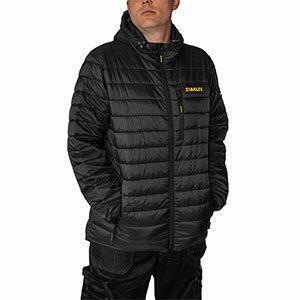
If you start early or work outside, run a warm mid-layer with a lighter outer so you can regulate heat as the day changes. A single thick coat sounds good until you are sweating, then you are cold the minute you stop moving.

3. Fit for movement, not for the mirror

If you are bending, reaching, and carrying, do not buy workwear that is tight through the thighs and shoulders. Go for a fit that gives you room to move and enough length in the body so it is not riding up every time you stretch.

Workwear Extras That Make Stanley Gear Earn Its Keep

A couple of simple add-ons stop your clothes getting wrecked early and keep you comfortable through longer shifts.

1. Knee Pads

If you are kneeling on concrete, screed, or block all day, knee pads save you limping by midweek and stop the knee area wearing through as fast.

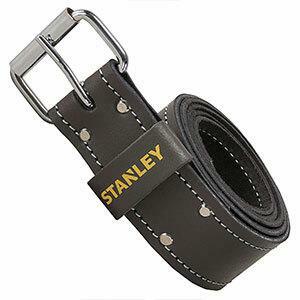
2. Work Belts and Braces

A decent belt or braces stops loaded pockets dragging your trousers down when you are carrying fixings, a tape, and hand tools, especially when you are up steps or in a loft.

3. Base Layers and Thermal Socks

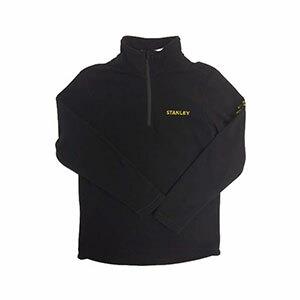
On cold starts, base layers keep heat in without turning you into a sweaty mess once you are moving, and good socks stop boots rubbing when you are on your feet all day.

Shop Stanley Work Clothes at ITS

Whether you need a couple of hard-wearing tops, fresh work trousers, or warm layers for winter starts, we stock the Stanley work clothes range in sizes and options that make sense for site. It is all held in our own warehouse, in stock and ready for next day delivery.

Stanley Work Clothes FAQs

Are Stanley work clothes actually tough enough for daily site use?

Yes, they are built for regular trade wear, not occasional DIY. That said, any workwear will fail if you are constantly snagging it on sharp block edges or rebar, so pick the tougher options for groundworks and first fix.

Do Stanley work trousers have enough pocket space for fixings and hand tools?

Most ranges are set up for site carry with practical pockets, but do not overload them if you are climbing ladders or working at height. If you carry a lot of kit, pair the trousers with a belt or braces so the weight is not dragging all day.

Is the sizing true, or do I need to size up for layering?

For tops and jackets, if you wear a hoodie or thick mid-layer underneath, it is usually worth allowing a bit of room rather than buying tight. For trousers, keep the waist right and focus on a cut that lets you kneel and squat without binding.

Can I wash Stanley workwear regularly without it going out of shape?

Yes, regular washing is fine, but do it properly. Close zips, empty pockets, and avoid cooking it on a hot wash and tumble dry, because that is what ruins fit and finishes quicker than the job does.

Is Stanley workwear waterproof or just shower resistant?

It depends on the garment, so check the product details rather than guessing. For proper wet weather, you want dedicated waterproof outer layers, not just a warm jacket that will soak through after half an hour in steady rain.
Read more

Stanley Work Clothes

Stanley work clothes are built for day-in, day-out site wear, where cheap kit rips, sags, or soaks through.

When you're on the tools all week, you need gear that moves with you, takes knocks, and still feels decent by Friday. Stanley workwear covers the basics properly, from tough trousers to warm layers and hard-wearing tops.

What Are Stanley Work Clothes Used For?

  • Working first fix and rough-in where you are constantly kneeling, climbing, and squeezing through tight spots, so you need trousers and tops that do not split at the seams.
  • Outdoor jobs in changeable UK weather where a proper layer system keeps you warm early doors, then lets you strip back without ending up soaked in sweat.
  • Refurbs and snagging where you are in and out of occupied areas, so clean, hard-wearing workwear keeps you looking presentable without babying it.
  • Yard loading and van work where pockets, zips, and cuffs take constant abuse from sharp edges, straps, and dragging gear in and out.

Who Are Stanley Work Clothes For?

  • Chippies and joiners who need trousers that move properly when you are up and down floors, setting out, and fixing all day.
  • Sparks and plumbers who want reliable layers and tough tops that do not snag to bits when you are pulling cable, drilling, and crawling lofts.
  • Groundworkers and landscapers who punish knees, hems, and pockets on wet ground and sharp aggregate, and need kit that lasts longer than a couple of weeks.
  • Maintenance teams and site supervisors who want hard-wearing, easy-grab clothing that stands up to daily wear and still looks tidy for call-outs and walk rounds.

Choosing the Right Stanley Work Clothes

Match your workwear to how you actually spend your day, because the wrong fit and fabric will do your head in by lunchtime.

1. Trousers for kneeling work vs general site wear

If you are on floors, kerbs, or first fix all day, prioritise tougher knee areas and a cut that lets you squat without pulling. If you are mostly on ladders or doing lighter maintenance, you can go simpler and focus on comfort and pocket layout.

2. Layering beats one bulky jacket

If you start early or work outside, run a warm mid-layer with a lighter outer so you can regulate heat as the day changes. A single thick coat sounds good until you are sweating, then you are cold the minute you stop moving.

3. Fit for movement, not for the mirror

If you are bending, reaching, and carrying, do not buy workwear that is tight through the thighs and shoulders. Go for a fit that gives you room to move and enough length in the body so it is not riding up every time you stretch.

Workwear Extras That Make Stanley Gear Earn Its Keep

A couple of simple add-ons stop your clothes getting wrecked early and keep you comfortable through longer shifts.

1. Knee Pads

If you are kneeling on concrete, screed, or block all day, knee pads save you limping by midweek and stop the knee area wearing through as fast.

2. Work Belts and Braces

A decent belt or braces stops loaded pockets dragging your trousers down when you are carrying fixings, a tape, and hand tools, especially when you are up steps or in a loft.

3. Base Layers and Thermal Socks

On cold starts, base layers keep heat in without turning you into a sweaty mess once you are moving, and good socks stop boots rubbing when you are on your feet all day.

Shop Stanley Work Clothes at ITS

Whether you need a couple of hard-wearing tops, fresh work trousers, or warm layers for winter starts, we stock the Stanley work clothes range in sizes and options that make sense for site. It is all held in our own warehouse, in stock and ready for next day delivery.

Stanley Work Clothes FAQs

Are Stanley work clothes actually tough enough for daily site use?

Yes, they are built for regular trade wear, not occasional DIY. That said, any workwear will fail if you are constantly snagging it on sharp block edges or rebar, so pick the tougher options for groundworks and first fix.

Do Stanley work trousers have enough pocket space for fixings and hand tools?

Most ranges are set up for site carry with practical pockets, but do not overload them if you are climbing ladders or working at height. If you carry a lot of kit, pair the trousers with a belt or braces so the weight is not dragging all day.

Is the sizing true, or do I need to size up for layering?

For tops and jackets, if you wear a hoodie or thick mid-layer underneath, it is usually worth allowing a bit of room rather than buying tight. For trousers, keep the waist right and focus on a cut that lets you kneel and squat without binding.

Can I wash Stanley workwear regularly without it going out of shape?

Yes, regular washing is fine, but do it properly. Close zips, empty pockets, and avoid cooking it on a hot wash and tumble dry, because that is what ruins fit and finishes quicker than the job does.

Is Stanley workwear waterproof or just shower resistant?

It depends on the garment, so check the product details rather than guessing. For proper wet weather, you want dedicated waterproof outer layers, not just a warm jacket that will soak through after half an hour in steady rain.
ITS - All The Tools You Need Click and Collect Icon
Store Opening Hours
Opening times