




Stanley Safety Boots & Trainers Stanley Safety Boots & Trainers

Stanley Safety Boots & Trainers

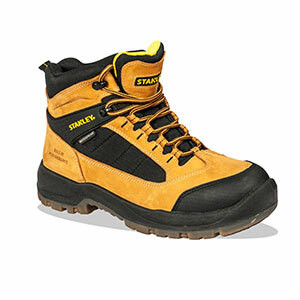
Stanley safety boots and trainers keep your feet protected and comfortable on site, with toe protection, proper grip, and builds that handle daily abuse.

When you're in and out the van all day, climbing ladders, or walking wet floors, cheap footwear ruins your shift fast. Stanley boots and safety trainers are built for site graft with supportive soles, tough uppers, and traction that doesn't skate on dust. Pick the right safety rating and fit, then get them broken in before the long days hit.

What Jobs Are Stanley Safety Boots and Trainers Best At?

  • Working on active building sites where dropped blocks, boards, and tools are a daily risk, so you need proper toe protection and a sole that will not fold up.
  • Refurbs and second fix where you are constantly up and down stairs and through finished areas, and a lighter safety trainer keeps you moving without feeling like you are dragging your feet.
  • Groundworks and external jobs where you are on wet slabs, mud, and uneven ground, and a deeper tread boot gives you grip and ankle support when the surface is a mess.
  • Warehouse and yard loading where you are on concrete all day shifting materials, and a cushioned midsole stops your feet getting battered by mid afternoon.
  • Handover and maintenance work where you still need safety compliance, but a cleaner looking trainer style keeps you presentable without losing protection.

Who Are Stanley Safety Boots and Trainers For on Site?

  • Chippies, joiners, and kitchen fitters who are on their feet all day and want lighter safety footwear that still takes knocks around fixings and sheet materials.
  • Sparks and plumbers doing first and second fix who need reliable grip on dusty floors and protection when working around sharp offcuts and tools.
  • Groundworkers and landscapers who favour boots for the extra ankle support and tread when the job is wet, uneven, and hard on footwear.
  • Site managers and maintenance teams who need compliant footwear that is comfortable for constant walking, inspections, and snagging.

Choosing the Right Stanley Safety Boots and Trainers

Sort the right pair by matching the safety rating and sole to where you actually work, not what looks good on the shelf.

1. Boot or Safety Trainer

If you are on uneven ground, rebar, or loose stone, go boot for the ankle support and stability. If you are mainly indoors, doing fit-out, snagging, or van-based maintenance, a safety trainer keeps you quicker and less fatigued.

2. Safety Rating and Underfoot Protection

If you are around nails, screws, and sharp waste, look for pairs with a puncture resistant midsole so you are not gambling with every step. If you are only in clean indoor areas, you can prioritise comfort, but do not drop below what your site rules require.

3. Grip and Sole Type

If you are regularly on wet concrete, ramps, or dusty slabs, pick a pair with a proper slip resistant outsole and a tread that clears muck. For smoother indoor floors, a flatter sole can feel better underfoot, but it still needs to bite when the floor is covered in plaster dust.

4. Fit for Long Shifts

Do not buy them tight hoping they will stretch, because safety footwear rarely gets kinder after week one. If you wear thick work socks or use insoles, size with those on, and leave enough toe room so you are not smashing your nails on ladders and stairs.

The Basics: Understanding Safety Boot and Trainer Ratings

The label is not just paperwork, it tells you what the footwear is built to protect against. Get this bit right and you avoid sore feet, failed site checks, and silly injuries.

1. Toe Protection and Impact Rating

A proper safety toe is there for dropped materials and tool impacts, not just scuffs. On real sites, it is the difference between a bruised boot and a broken toe when something slips off a stack or out the van.

2. Midsole Protection

A puncture resistant midsole helps stop nails, screws, and sharp debris coming up through the sole. If you are on strip-outs, first fix, or anywhere with waste on the deck, this is the feature that saves you a trip to A and E.

3. Slip Resistance and Outsole Grip

Slip resistance is about staying upright on wet concrete, dusty floors, and smooth surfaces, especially when you are carrying gear. A decent outsole compound and tread pattern is what keeps you planted when the site is messy.

Safety Footwear Accessories That Make Them Last

A couple of small add-ons keep your boots comfortable, reduce stink, and stop you burning through pairs faster than you should.

1. Replacement Insoles

Fresh insoles bring back the cushioning when the originals pack down, which is usually what makes a decent pair feel finished before the uppers are actually done.

2. Work Socks

Proper work socks stop rubbing and hot spots on long shifts, and they manage sweat better so you are not dealing with damp feet and blisters by lunchtime.

3. Boot Care and Waterproofer

A quick clean and reproof helps the uppers resist water and site grime, which stops them cracking and splitting early when you are in and out of wet areas.

Shop Stanley Safety Boots and Trainers at ITS

Whether you need a tougher boot for rough ground or a lighter safety trainer for fit-out and maintenance, we stock the full Stanley safety footwear range in a spread of sizes and styles. It is all held in our own warehouse, in stock and ready for next day delivery so you are not turning up on site in worn-out pairs.

Stanley Safety Boots and Trainers FAQs

Are Stanley safety trainers actually safe enough for proper site work?

Yes, as long as you choose a pair with the safety rating your site requires. Trainers can be fully compliant, but do not assume all styles have the same midsole protection or grip, so check the spec before you buy.

Do I need boots or will trainers do the job?

If you are on uneven ground, groundworks, or regularly stepping on rubble, boots are the safer bet for support and stability. If you are mainly indoors on fit-out, maintenance, or snagging, trainers are usually more comfortable for constant walking.

Will they stay grippy on dusty floors and wet concrete?

They will if you pick a pair designed with slip resistance and keep the tread clear. Any sole will skate if it is clogged with plaster dust and mud, so give them a quick brush off at breaks and you will feel the difference.

How do I get the sizing right without messing about with returns?

Try them with the socks you actually work in and leave toe room for stairs and ladders. If you normally run an insole, size with that in mind, because a tight safety toe is miserable and it will not loosen up in the right places.

Are they waterproof or just fine for the odd shower?

It depends on the exact model. Some are built with waterproof membranes and sealed construction, while others are more breathable and only cope with light rain, so check the product details if you are regularly in wet ground or standing water.

Read more

Stanley Safety Boots & Trainers

Stanley safety boots and trainers keep your feet protected and comfortable on site, with toe protection, proper grip, and builds that handle daily abuse.

When you're in and out the van all day, climbing ladders, or walking wet floors, cheap footwear ruins your shift fast. Stanley boots and safety trainers are built for site graft with supportive soles, tough uppers, and traction that doesn't skate on dust. Pick the right safety rating and fit, then get them broken in before the long days hit.

What Jobs Are Stanley Safety Boots and Trainers Best At?

  • Working on active building sites where dropped blocks, boards, and tools are a daily risk, so you need proper toe protection and a sole that will not fold up.
  • Refurbs and second fix where you are constantly up and down stairs and through finished areas, and a lighter safety trainer keeps you moving without feeling like you are dragging your feet.
  • Groundworks and external jobs where you are on wet slabs, mud, and uneven ground, and a deeper tread boot gives you grip and ankle support when the surface is a mess.
  • Warehouse and yard loading where you are on concrete all day shifting materials, and a cushioned midsole stops your feet getting battered by mid afternoon.
  • Handover and maintenance work where you still need safety compliance, but a cleaner looking trainer style keeps you presentable without losing protection.

Who Are Stanley Safety Boots and Trainers For on Site?

  • Chippies, joiners, and kitchen fitters who are on their feet all day and want lighter safety footwear that still takes knocks around fixings and sheet materials.
  • Sparks and plumbers doing first and second fix who need reliable grip on dusty floors and protection when working around sharp offcuts and tools.
  • Groundworkers and landscapers who favour boots for the extra ankle support and tread when the job is wet, uneven, and hard on footwear.
  • Site managers and maintenance teams who need compliant footwear that is comfortable for constant walking, inspections, and snagging.

Choosing the Right Stanley Safety Boots and Trainers

Sort the right pair by matching the safety rating and sole to where you actually work, not what looks good on the shelf.

1. Boot or Safety Trainer

If you are on uneven ground, rebar, or loose stone, go boot for the ankle support and stability. If you are mainly indoors, doing fit-out, snagging, or van-based maintenance, a safety trainer keeps you quicker and less fatigued.

2. Safety Rating and Underfoot Protection

If you are around nails, screws, and sharp waste, look for pairs with a puncture resistant midsole so you are not gambling with every step. If you are only in clean indoor areas, you can prioritise comfort, but do not drop below what your site rules require.

3. Grip and Sole Type

If you are regularly on wet concrete, ramps, or dusty slabs, pick a pair with a proper slip resistant outsole and a tread that clears muck. For smoother indoor floors, a flatter sole can feel better underfoot, but it still needs to bite when the floor is covered in plaster dust.

4. Fit for Long Shifts

Do not buy them tight hoping they will stretch, because safety footwear rarely gets kinder after week one. If you wear thick work socks or use insoles, size with those on, and leave enough toe room so you are not smashing your nails on ladders and stairs.

The Basics: Understanding Safety Boot and Trainer Ratings

The label is not just paperwork, it tells you what the footwear is built to protect against. Get this bit right and you avoid sore feet, failed site checks, and silly injuries.

1. Toe Protection and Impact Rating

A proper safety toe is there for dropped materials and tool impacts, not just scuffs. On real sites, it is the difference between a bruised boot and a broken toe when something slips off a stack or out the van.

2. Midsole Protection

A puncture resistant midsole helps stop nails, screws, and sharp debris coming up through the sole. If you are on strip-outs, first fix, or anywhere with waste on the deck, this is the feature that saves you a trip to A and E.

3. Slip Resistance and Outsole Grip

Slip resistance is about staying upright on wet concrete, dusty floors, and smooth surfaces, especially when you are carrying gear. A decent outsole compound and tread pattern is what keeps you planted when the site is messy.

Safety Footwear Accessories That Make Them Last

A couple of small add-ons keep your boots comfortable, reduce stink, and stop you burning through pairs faster than you should.

1. Replacement Insoles

Fresh insoles bring back the cushioning when the originals pack down, which is usually what makes a decent pair feel finished before the uppers are actually done.

2. Work Socks

Proper work socks stop rubbing and hot spots on long shifts, and they manage sweat better so you are not dealing with damp feet and blisters by lunchtime.

3. Boot Care and Waterproofer

A quick clean and reproof helps the uppers resist water and site grime, which stops them cracking and splitting early when you are in and out of wet areas.

Shop Stanley Safety Boots and Trainers at ITS

Whether you need a tougher boot for rough ground or a lighter safety trainer for fit-out and maintenance, we stock the full Stanley safety footwear range in a spread of sizes and styles. It is all held in our own warehouse, in stock and ready for next day delivery so you are not turning up on site in worn-out pairs.

Stanley Safety Boots and Trainers FAQs

Are Stanley safety trainers actually safe enough for proper site work?

Yes, as long as you choose a pair with the safety rating your site requires. Trainers can be fully compliant, but do not assume all styles have the same midsole protection or grip, so check the spec before you buy.

Do I need boots or will trainers do the job?

If you are on uneven ground, groundworks, or regularly stepping on rubble, boots are the safer bet for support and stability. If you are mainly indoors on fit-out, maintenance, or snagging, trainers are usually more comfortable for constant walking.

Will they stay grippy on dusty floors and wet concrete?

They will if you pick a pair designed with slip resistance and keep the tread clear. Any sole will skate if it is clogged with plaster dust and mud, so give them a quick brush off at breaks and you will feel the difference.

How do I get the sizing right without messing about with returns?

Try them with the socks you actually work in and leave toe room for stairs and ladders. If you normally run an insole, size with that in mind, because a tight safety toe is miserable and it will not loosen up in the right places.

Are they waterproof or just fine for the odd shower?

It depends on the exact model. Some are built with waterproof membranes and sealed construction, while others are more breathable and only cope with light rain, so check the product details if you are regularly in wet ground or standing water.

ITS - All The Tools You Need Click and Collect Icon
Store Opening Hours
Opening times