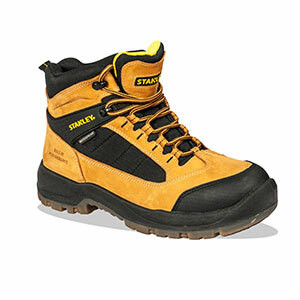
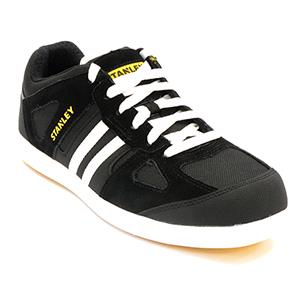
Stanley Safety Boots & Trainers
Boots Stanley trades rely on are built for wet slabs, rough groundwork and long shifts, with proper toe protection, grip and support that lasts.
If you're in and out of mud, climbing in and out the van, or walking concrete all day, decent Stanley work boots and safety trainers save your feet and your back. This range covers Stanley safety footwear for site graft, from Stanley steel toe cap boots for heavier work to lighter Stanley safety shoes and Stanley work trainers for fit-out, snagging and warehouse jobs. Pick the safety rating, toe type and sole you actually need, then get sorted with a pair that earns its keep.
What Are Boots Stanley Used For?
- Working on wet, uneven building sites where Stanley work boots give you the grip, ankle support and underfoot protection needed for scaffold lifts, blockwork and rough ground.
- Walking long shifts through warehouses, workshops and fit-out jobs where Stanley safety trainers and Stanley work shoes keep the weight down without leaving your toes exposed.
- Handling first fix, maintenance and van-based callout work where Stanley safety footwear needs to cope with kneeling, ladder work and plenty of in and out all day.
- Dealing with muddy externals, rain-soaked plots and groundworks where Stanley S3 safety boots make more sense than lighter shoes because they are built for harsher site conditions.
- Covering snagging, shopfitting and indoor install work where Stanley steel toe cap trainers give you protection without the bulk of a full boot.
Choosing the Right Boots Stanley
Sorting the right pair is simple: match the footwear to the site, not just the look. Buy for the ground you walk and the hazards you actually face.
1. Boots or Trainers
If you are outside on rough ground, in mud or around heavy materials, go for Stanley work boots with more support and coverage. If you are mainly indoors, doing fit-out or covering big distances on smoother floors, Stanley safety trainers are easier on the legs.
2. S1P or S3 Rating
If the job is mostly dry and inside, S1P can be enough. If you are on live sites, wet plots or exposed externals, Stanley S3 safety boots are the safer bet because they are better suited to water resistance and tougher site conditions.
3. Steel Toe or Composite Toe
If you want the familiar feel and usually work standard site jobs, Stanley steel toe cap boots and Stanley steel toe cap trainers are the straightforward choice. If you want less weight and a bit more comfort for all-day wear, composite toe boots are worth a look.
4. Sole and Comfort
Do not ignore the sole. If you are on concrete all day, look for cushioning that will not flatten out by dinner time. If you are climbing ladders, walking muck and loose stone, make sure the tread is deep enough to hold on properly.
Who Uses These on Site?
- Groundworkers and brickies lean towards Stanley work boots for wet ground, sharp debris and long hours on uneven plots where a trainer just will not cut it.
- Sparkies, plumbers and maintenance fitters often go for Stanley safety trainers or Stanley safety shoes when they are covering miles indoors and want less weight on the feet.
- Warehouse teams, drivers and yard staff use Stanley safety footwear for loading, unloading and constant van movement where grip and toe protection matter every shift.
- Joiners and fit-out crews keep Stanley work trainers on for second fix and internal jobs where you still need protection but do not want a clumpy sole marking finished areas.
The Basics: Understanding Safety Footwear Ratings
The code on the label matters more than the styling. It tells you what level of protection the footwear is built to give on the job.
1. S1P for Dry Indoor Work
S1P safety footwear is usually the better fit for indoor trades, warehouse work and dry site conditions. You still get toe protection and midsole protection, but it is not aimed at wet, muddy external work.
2. S3 for Wetter, Harder Site Conditions
S3 is what a lot of trades want for general building sites because it adds water resistant uppers alongside the core safety features. If your boots are seeing rain, mud and rough ground, this is the rating to look for.
3. Toe Cap Choice Changes the Feel
Steel and composite toe caps both protect your feet, but they wear differently through the day. Steel tends to feel more traditional, while composite often helps keep the boot lighter for long shifts and lots of walking.
Choose the Right Stanley Safety Footwear for the Job
Use this quick guide to avoid buying the wrong pair for the way you actually work.
| Your Job | Category or Type | Key Features |
|---|---|---|
| Groundworks, bricklaying and external site work | Stanley S3 safety boots | Water resistant upper, toe protection, midsole protection, deeper tread and better coverage round the ankle. |
| Warehouse shifts, indoor maintenance and van-based work | Stanley safety shoes | Lighter build, easier movement, toe protection and comfort for plenty of walking on hard floors. |
| Fit-out, snagging and second fix | Stanley safety trainers | Lower weight, flexible feel and site protection without the bulk of a full boot. |
| Heavy site work with regular impact risk | Stanley steel toe cap boots | Traditional toe protection, sturdier build and better suited to rougher daily abuse. |
| Long walking days where weight matters | Stanley composite toe boots | Reduced weight, solid protection and easier all-day wear for mobile trades. |
Common Buying and Usage Mistakes
- Buying trainers for muddy external work is a common one. You save a bit of weight, but you lose support, weather resistance and grip where it matters most, so go for proper Stanley work boots if the site is rough.
- Ignoring the safety rating causes trouble fast. S1P and S3 are not the same thing, so check what your site requires before you order rather than finding out at the gate.
- Choosing the wrong size because you assume all safety footwear fits the same usually ends in sore toes or heel slip. Leave room for work socks, but do not buy so loose that your foot moves about on ladders.
- Expecting any boot labelled water resistant to handle standing water all day is asking too much. If you are constantly in wet ground, dry them properly between shifts and pick a pair suited to harsher conditions.
- Running worn soles until they are smooth is false economy. Once the tread is gone, grip drops off badly on wet boards, concrete and muddy paths, so replace them before they become a site hazard.
Safety Boots vs Safety Trainers vs Safety Shoes
Safety Boots
Best for live sites, outdoor trades and tougher footing. They give you more ankle support, better coverage in mud and rain, and usually cope better with daily abuse from groundwork and heavy materials.
Safety Trainers
Best for fitters, warehouse teams and indoor trades covering lots of steps. They are lighter and easier to wear all day, but they are not the first choice for deep mud, wet externals or rough groundwork.
Safety Shoes
A good middle ground for lighter work where you still need toe protection without a tall boot. They suit workshops, delivery work and maintenance jobs, but they offer less support than boots on uneven ground.
Maintenance and Care
Clean Off Mud Properly
Do not leave mud and plaster to dry on the uppers and soles for days. Brush them down after shift so the material lasts longer and the tread keeps doing its job.
Dry Them Slowly
If they are soaked, let them dry naturally and stuff them with paper if needed. Do not shove them against a heater, because that is how uppers crack and glue starts giving up.
Check Soles and Toe Area
Keep an eye on worn tread, peeling soles and damage round the toe cap area. Once grip goes or the front starts breaking down, the footwear is past its best for safe site use.
Look After the Inside Too
Pull the insoles out now and then and let the inside air off, especially after long wet shifts. It helps with comfort, cuts down stink and stops them staying damp between jobs.
Replace Before They Cost You
If the sole is smooth, support has gone or the upper is splitting, stop hanging on for another month. Worn safety footwear makes every shift harder and can end up failing site checks.
Why Shop for Stanley Safety Footwear at ITS?
Whether you need Stanley boots, Stanley safety shoes or lighter Stanley work trainers, we stock the full range for proper site use. That means the key sizes, styles and safety ratings trades actually look for, all held in our own warehouse and ready for next day delivery.
Stanley Safety Boots and Trainers FAQs
What's happening to Boots?
If you mean the retailer, that is separate from Stanley safety footwear. On this page you are simply choosing Stanley boots, Stanley safety shoes and Stanley safety trainers for site and work use.
What is the difference between S1P and S3 safety footwear?
S1P is usually the one for dry indoor jobs where you still need toe and midsole protection. S3 adds water resistant uppers and is better suited to general building sites, wet plots and outdoor work where the ground is rougher and conditions are less forgiving.
Are Stanley safety boots steel or composite toe cap?
Both turn up in the range, so it depends on the pair. Stanley steel toe cap boots suit trades who want the more traditional option, while Stanley composite toe boots are worth a look if you want to cut weight for long walking days.
Are Stanley safety boots waterproof?
Some Stanley work boots are water resistant rather than fully waterproof, so check the spec before you assume too much. They will cope with normal wet site conditions, but if you are standing in water or sludge all day, no boot likes that without proper care and drying between shifts.
Do Stanley safety boots fit true to size?
In general, yes, they are usually bought true to size. That said, always allow for decent work socks and the fact that safety toe footwear feels different to standard trainers, especially across the front of the foot.