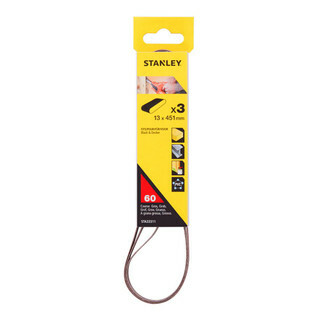
Stanley Sanding Pads & Sheets
Stanley sanding sheets are for the jobs where finish matters, from stripping old coats back to flattening filler and keying timber before paint goes on.
If your sander is sound but the cut is poor, the sheet is usually the problem. Stanley sanding pads and sheets are made for real prep work on wood, paint, filler and some metal, with hook and loop and quick fit options that stay put and wear evenly. Match the grit to the stage of the job and buy a few grades so you are not forcing one sheet to do the lot.
What Are Stanley Sanding Sheets Used For?
- Stripping tired paint and varnish off doors, skirting and window boards is where coarse Stanley sanding sheets save time before you start finer finishing passes.
- Flattening filler on patch repairs and snagging work helps decorators and chippies get a clean surface ready for primer without leaving proud edges.
- Keying timber, MDF and previously painted surfaces gives primers, undercoats and topcoats a proper surface to bite to instead of skating over a glossy face.
- Smoothing cut edges, trimmed boards and small joinery pieces on site keeps first fix and second fix work tidy without dragging out heavier bench kit.
- Cleaning up light rust, paint residue and surface marks on metal fittings can be done with the right Stanley abrasive sheets, provided you pick the correct grit and do not expect one sheet to last through heavy corrosion.
Choosing the Right Stanley Sanding Sheets
Sorting the right sheet is simple: match the grit and fixing style to the job, not whatever pack is cheapest.
1. Pick the Grit for the Stage of Work
If you are stripping coatings, flattening rough filler or knocking back saw marks, start coarse. If you are between coats or finishing timber before paint, go finer. Do not try to do prep and finish work with one middle grit because you will waste sheets and still get a poorer result.
2. Check Hook and Loop or Clip On
If your sander takes hook and loop, buy Stanley hook and loop sanding sheets and get on with the job. If it uses clamps, you need clip on sheets. Get this wrong and the sheet will move, tear or come loose halfway through a pass.
3. Match the Sheet Shape to the Sander
Detail sanders, palm sanders and orbital models all take different pad shapes and sizes. Check the base of your machine before ordering, especially if you are topping up old stock from the van.
4. Buy Mixed Packs if You Are Doing Full Prep
If the job runs from stripping through to final rub down, a Stanley sanding sheet pack with more than one grit saves chasing back and forth for the grade you should have bought in the first place.
Who Uses These on Site?
- Decorators use Stanley sanding sheets for prep between coats, rubbing back filler and getting timber and painted surfaces ready before the finish goes on.
- Chippies keep a pack in the van for easing edges, cleaning up scribed cuts and smoothing second fix bits where a quick pass saves a callback later.
- Kitchen fitters and joiners reach for Stanley sanding pads when trimming filler work, touching up panels and tidying awkward edges that need a neat finish in view.
- Maintenance teams use them for general snagging, from rubbing down patched walls to cleaning painted metal before repainting in schools, offices and tenanted properties.
Sanding Extras That Save Time on Site
A few sensible extras stop wasted sheets, poor finish work and more clean-up than the job needs.
1. Backing Pads
If the backing pad on your sander is worn, even good Stanley sanding sheets will not sit flat or grip properly. Replace the pad before blaming the abrasive when corners keep lifting or the finish looks patchy.
2. Dust Bags or Extraction Adaptors
Get the dust under control or the sheet clogs quicker and you end up rubbing dust back into the surface. A bag or extractor adaptor keeps the cut cleaner and saves you half the sweeping up later.
3. Mixed Grit Packs
One grit never covers the whole prep job properly. Keep coarse, medium and fine sheets in the van so you can strip, smooth and finish without bodging it with whatever is left in the box.
Choose the Right Stanley Sanding Sheets for the Job
Use the grit and sheet type that matches the stage of work.
| Your Job | Category or Type | Key Features |
|---|---|---|
| Stripping old paint or heavy surface build up | Coarse sanding sheets | Fast stock removal, aggressive cut, best for first passes before refining |
| Flattening filler and smoothing rough timber | Medium grit sheets | Balances cut and control, useful for prep work without gouging as easily |
| Rubbing down between coats | Fine sanding sheets | Lighter cut, cleaner finish, helps paint and primer key properly |
| Quick sheet changes on compatible sanders | Hook and loop sanding sheets | Fast fitting, secure hold, easy to swap as grits wear out |
| Older clamp style sanders | Clip on sheets | Fits clamp bars, suits traditional sheet sanders, less chance of misfit |
Common Buying and Usage Mistakes
- Buying the wrong fixing type is the big one. If your sander takes hook and loop and you order clip on sheets, they will not sit right and the job turns into a fight straight away.
- Using one grit for the whole process wastes time and gives a poorer finish. Start coarse for removal, then step down finer for prep and finishing.
- Running worn sheets too long just burns time and heats the surface. Once the abrasive has gone off, swap it out rather than leaning harder on the tool.
- Ignoring dust extraction clogs the sheet faster and leaves a rougher finish. Keep the dust ports clear and use a bag or extractor where you can.
- Assuming all sheet sizes are universal catches plenty of people out. Always check the pad shape and dimensions before topping up stock.
Hook and Loop vs Clip On vs Mixed Grit Packs
Hook and Loop
Best if you are changing sheets regularly through different grits on one job. They fit fast and hold well, but only if your backing pad is in decent nick and made for hook and loop fixing.
Clip On
The right choice for clamp style sheet sanders still common in vans and workshops. They are simple and dependable, but swapping sheets is slower and you need the correct cut size.
Mixed Grit Packs
Worth having if you are doing full prep from rough rubbing down to final finishing. They save buying separate packs for every stage, though heavy repeat work may still justify bulk packs in your most-used grit.
Maintenance and Care
Store Sheets Flat and Dry
Keep Stanley sanding sheets in a dry box or drawer in the van. Damp and bent sheets do not sit properly on the pad and can lose grip before the abrasive is even used.
Clear Dust from the Sander Pad
Brush off the pad and dust holes after use. Built up dust stops proper contact, reduces extraction and makes fresh sheets wear unevenly.
Replace Worn Backing Pads
If hook and loop sheets keep peeling off, the pad is often the issue. Change it before it ruins more abrasives and gives you a patchy finish.
Do Not Force Blunt Abrasives
A worn sheet cuts poorly and makes you press harder, which strains the sander and marks the work. Bin it and fit a fresh one when the cut drops off.
Why Shop for Stanley Sanding Sheets at ITS?
Whether you need Stanley quick fit sanding sheets for regular prep work or a Stanley sanding sheet pack for general van stock, we carry the range in the grits and fixing types trades actually use. It is all stocked in our own warehouse, ready for next day delivery, so you can get the right abrasives on site without holding the job up.
Stanley Sanding Sheets FAQs
What grit sanding sheet should I use for bare wood?
Start coarser only if the timber is rough, sawn or still carrying old finish. For clean bare wood, a medium grit is usually the sensible starting point, then move finer for final prep before paint, stain or varnish. Go too coarse on decent timber and you will just give yourself more rubbing down to sort out after.
Do Stanley sanding sheets fit other brands of sander?
Sometimes, yes, but do not assume they all cross over. You need to match the pad shape, sheet size and fixing method. If your sander uses the same hook and loop base or the same clamp format, they can fit fine. If the holes or shape are off, you lose extraction and the sheet may not stay put properly.
What is the difference between hook and loop and clip-on sheets?
Hook and loop sheets press straight onto the backing pad and come off quickly when you need a fresh grit. Clip on sheets are held by clamps on the sander. Hook and loop is quicker for frequent changes, while clip on suits older or clamp style machines. The right choice depends entirely on the sander you already own.
How many sheets come in a Stanley pack?
That depends on the pack and grit selection. Some Stanley sanding sheet packs are single grit top-ups, while others are mixed packs for full prep jobs. Check the pack quantity on the product listing rather than guessing from the image, especially if you are pricing up for a bigger run of work.
Are Stanley sanding sheets suitable for metal?
Yes, for light metal prep, paint removal and cleaning surface marks, as long as you use a suitable grit and do not overload the sheet. They are fine for tidying painted metal or light rust work, but for heavy corrosion or serious stock removal you will get through sheets quickly and may be better with a more specialist abrasive.