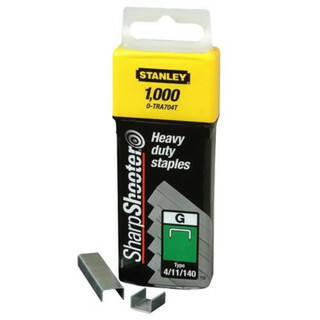
Stanley Power Tool Accessories
Stanley power tool accessories cover the consumables that keep your kit earning its keep, from drill bits and blades to sanding sheets, belts and fixings.
When the tool is sound but the cut is slow, the hole burns out, or the finish comes off rough, it is usually the accessory letting you down. Stanley accessories are the everyday bits trades burn through on timber, metal, masonry and snagging work, with a solid range of Stanley drill bits, Stanley saw blades, Stanley sanding sheets, Stanley sanding belts and Stanley nail gun nails to keep jobs moving. Match the accessory to the material, buy a few spares, and get the right Stanley accessory range on the van.
What Are Stanley Power Tool Accessories Used For?
- Drilling timber, masonry and sheet metal on first fix and second fix jobs is where Stanley drill bits earn their keep, whether you are running cables, fixing battens or punching through stud and joists.
- Cutting sheet goods, timber trims and metal sections on site is quicker and cleaner with the right Stanley saw blades fitted, especially when you need fewer ragged edges and less time spent cleaning up cuts.
- Sanding filler, timber, paint prep and finished surfaces for decorating or fit-out work is exactly what Stanley sanding sheets and Stanley sanding belts are there for, saving time when you have doors, skirting or panels to finish properly.
- Fixing trim, sheet material and repeat timber work with nailers is made easier with Stanley nail gun nails, particularly on jobs where hand nailing would slow the whole day down.
- Sorting snagging, refurbs and general maintenance is where a broad power tool accessories Stanley range helps most, because you can switch from drilling to cutting to sanding without hunting around for odd bits that do not suit the job.
Choosing the Right Stanley Power Tool Accessories
Sorting the right ones is simple. Match the accessory to the material and the tool, not just whatever is left rolling about in the van.
1. Start With the Material
If you are drilling block or concrete, buy masonry bits. If you are drilling steel trunking or brackets, use metal bits. If you are cutting finished timber or sheet material, go for saw blades meant to leave a cleaner cut. Using the wrong accessory might still work for five minutes, but it will slow you down, wear out early and usually leave a rougher result.
2. Check the Tool Fit Before You Buy
Do not assume all Stanley accessories fit every tool. Check arbor size, shank type, blade diameter, grit sheet shape or nail gauge properly. If the fit is wrong, you are either sending it back or bodging the job, and neither helps when the work has to be done today.
3. Buy for the Amount of Work, Not One Cut
If it is a one-off snag, a small pack might do. If you are sanding doors all week or cutting board after board, buy enough Stanley sanding sheets, Stanley sanding belts or Stanley blades to finish the run. Running out halfway through always costs more in wasted time than buying the extra pack at the start.
4. Keep Spares of the Bits You Burn Through
Blades, abrasives and fixings are consumables, not forever kit. If you use Stanley nail gun nails, drill bits or sanding consumables regularly, keep replacements on hand. It stops jobs stalling when one dulls off, snaps or clogs up halfway through a shift.
Who Uses These on Site?
- Chippies use Stanley power tool accessories for first fix carcassing, second fix trim work and sheet cutting, because sharp blades and decent sanding consumables make joinery look cleaner with less fettling after.
- Sparkies reach for Stanley accessories when drilling cable routes, fitting boxes and trimming containment, as the right bits and blades save time in studs, pattresses and light metalwork.
- General builders and maintenance teams keep Stanley accessory range stock in the van for mixed-day jobs, where one call-out can mean drilling block, cutting timber and sanding a repair before handover.
- Decorators and finishers rely on Stanley sanding sheets and Stanley sanding belts for prep, denibbing and rubbing down between coats, especially when a poor abrasive would clog early and leave marks in the finish.
- Roofers, fitters and site fixers also use Stanley saw blades and nail gun consumables for repetitive cuts and fast fixing, particularly when they need straightforward consumables that are easy to replace mid-job.
Extras That Keep Stanley Accessories Working Properly
A few sensible add-ons save downtime and stop you ruining consumables before the job is done.
1. Spare Blade and Bit Packs
This is the obvious one, but plenty still get caught out. Keep spare Stanley drill bits and Stanley saw blades in the van so a blunt edge or snapped bit does not leave you dead in the water halfway through a cut list.
2. Backing Pads and Sanders' Fixings
Worn backing pads stop sanding sheets gripping properly and can tear abrasives early. If your sander is not holding sheets flat, sort the pad before you burn through a fresh pack of Stanley sanding sheets for no reason.
3. Storage Cases and Organisers
Loose blades, belts and nails get bent, damp or lost at the bottom of the van. A simple organiser keeps Stanley accessories dry, flat and easy to grab, which matters when you are changing over kit on the hop.
4. Dust Extraction Bags or Vacuum Hook Up
If you are using Stanley sanding belts or sheets all day, sort your dust collection. It keeps the abrasive cutting cleaner for longer and saves you standing in a cloud of dust or spending an hour sweeping up after.
Choose the Right Stanley Power Tool Accessories for the Job
Use this quick guide to match the accessory to the work in front of you.
| Your Job | Category or Type | Key Features |
|---|---|---|
| Drilling timber studs, joists and general fixings | Stanley drill bits for wood | Fast chip clearance, clean entry, sizes suited to first fix and general joinery work |
| Drilling block, brick and masonry for plugs and anchors | Stanley masonry drill bits | Tough cutting tip, proper masonry pattern, reliable performance in hard site materials |
| Cutting timber boards, trims and sheet material | Stanley saw blades for wood | Tooth patterns matched to fast rip cuts or cleaner finish cuts depending on the job |
| Sanding filler, timber edges and painted surfaces | Stanley sanding sheets or sanding belts | Correct grit choice, good sheet fit, steady stock removal without clogging too quickly |
| Fast repetitive fixing with a nailer | Stanley nail gun nails | Right gauge and length, dependable feed, suited to trim work or general timber fixing |
Common Buying and Usage Mistakes
- Buying on shape alone and ignoring fit details is a common one. Always check shank type, blade size, arbor and nail specification or you will end up with accessories that do not fit the tool you actually own.
- Using one accessory across every material wastes time and money. A wood blade in metal or a blunt bit in masonry will cut badly, heat up and wear out far sooner than it should.
- Running sanding sheets and blades long after they are spent is false economy. Once they stop cutting cleanly, swap them out or you will work the tool harder and get a worse finish into the bargain.
- Storing Stanley accessories loose in a damp van ruins them quicker than the work does. Keep blades dry, abrasives flat and nail packs sealed so they are ready when you need them.
- Only buying exactly what today's job needs is how you get caught short tomorrow. Consumables are the bits that stop a day dead, so keep a few core Stanley accessories in reserve.
Drill Bits vs Saw Blades vs Sanding Accessories
Stanley Drill Bits
These are for making holes, plain and simple. Best where the job is fixings, routing services or anchor points in wood, metal or masonry. If you need openings rather than cuts or surface prep, start here.
Stanley Saw Blades
These are the choice for sizing timber, trimming boards or cutting sections to length. They are quicker for straight material removal than sanding and far more suitable than trying to nibble through stock with the wrong tool.
Stanley Sanding Sheets and Belts
Use these when the shape is already there and the finish matters. They are for smoothing, cleaning up edges, taking paint back or keying surfaces, not for heavy cutting or drilling work.
Stanley Nail Gun Nails
These are about speed of fixing rather than shaping material. If the task is repeat timber fixing, trim or boarding and you are using a nailer, nails save a lot of time compared with hand fixing.
Maintenance and Care
Keep Them Clean After Use
Brush dust, resin and swarf off Stanley blades and bits after the job. Built-up muck makes accessories cut hotter and rougher next time out.
Store Dry and Flat
Sanding sheets, belts and nail packs do not want damp van floors. Keep abrasives flat and dry, and keep nails sealed so they feed properly when loaded into the gun.
Replace Blunt Consumables Early
If a blade starts burning timber, a bit is taking too long, or a sanding sheet is polishing more than cutting, change it. Forcing worn accessories just strains the tool and spoils the job.
Check for Damage Before Fitting
Look for chipped teeth, bent blades, damaged shanks or torn abrasives before you start. A quick check saves vibration, poor cuts and wasted material.
Repair the Setup, Not Just the Consumable
If sheets keep tearing or blades wear oddly, inspect the tool as well. Worn pads, sloppy clamps or poor alignment can ruin fresh Stanley accessories long before they should be finished.
Why Shop for Stanley Power Tool Accessories at ITS?
Whether you need Stanley drill bits, Stanley sanding sheets, Stanley saw blades, Stanley nail gun nails or general Stanley accessories for day-to-day site work, we stock the range properly. That means the sizes, types and consumables trades actually get through, all held in our own warehouse and ready for next day delivery.
Stanley Power Tool Accessories FAQs
What power tool accessories does Stanley make?
Stanley covers the main consumables most trades get through regularly, including Stanley drill bits, Stanley saw blades, Stanley sanding sheets, Stanley sanding belts, Stanley blades and Stanley nail gun nails. It is the sort of range aimed at real day to day cutting, drilling, sanding and fixing rather than niche one off use.
Do Stanley accessories fit other brands of power tool?
Some do, some do not. Bits, blades, sanding sheets and nails often fit across different brands, but only if the size, fixing pattern, arbor, shank or gauge matches your tool. Check the spec properly before you buy because brand name alone tells you very little about actual compatibility.
How often should sanding sheets and blades be replaced?
Replace them when they stop doing the job cleanly, not when they are completely dead. If a sanding sheet is clogged, a saw blade is burning or tearing, or a bit is taking far too long, it is spent for site use. Carrying on just wastes time and gives a worse finish.
Are Stanley accessories suitable for professional use?
Yes, for plenty of everyday trade work they are a sensible choice. They are well suited to routine drilling, sanding, cutting and fixing on site, in workshops and on maintenance rounds. As ever, professional results come from choosing the right accessory for the material and not trying to make one item do every job.
What accessories does a new power tool user need?
Start with the basics you will genuinely use. For most new users that means a small set of drill bits for wood and masonry, a couple of suitable saw blades, mixed grit sanding sheets, and spare consumables for the tool they use most. Do not buy a mountain of odd sizes you will never touch.